The bulk of this new funding is earmarked for the Global Environment Facility (GEF), an international partnership that plays a pivotal role in addressing the world’s most pressing environmental challenges. Through this allocation, the UK intends to provide direct support for sustainable agriculture and fishing practices, which are essential for the survival of millions of people in developing nations. These sectors are often the first to buckle under the pressure of shifting weather patterns, and their failure frequently leads to mass migration, economic collapse, and social unrest. By investing in the long-term viability of these industries, the UK seeks to anchor communities in their ancestral lands, ensuring that local populations can maintain their livelihoods despite the changing climate.
A primary focus of the £330 million package is the protection of "critical" ecosystems that serve as the planet’s natural defenses against carbon accumulation. The Amazon rainforest and the Congo Basin have been identified as high-priority regions for this investment. These vast biomes are not only essential for biodiversity but also act as massive carbon sinks that regulate the global climate. However, they are currently facing unprecedented threats from illegal logging, industrial expansion, and climate-induced stressors. The UK’s funding will support conservation efforts and community-led initiatives aimed at preserving these vital landscapes. By safeguarding the Amazon and the Congo Basin, the UK is effectively investing in global climate resilience, recognizing that the health of these distant ecosystems is inextricably linked to the security and prosperity of the British Isles and the wider world.
In addition to ecosystem preservation, the funding is specifically structured to combat the physical degradation of the environment, including the growing threats of desertification and deforestation. As fertile land turns to dust and forests disappear, the resulting loss of resources often triggers fierce competition between communities, leading to localized violence that can quickly escalate into regional instability. The UK’s support will facilitate projects that restore degraded land, promote reforestation, and implement water management systems designed to strengthen resilience against both chronic droughts and sudden, catastrophic flooding. These practical interventions are intended to provide a buffer for vulnerable nations, allowing them to withstand the increasingly erratic weather patterns that have become a hallmark of the 21st century.
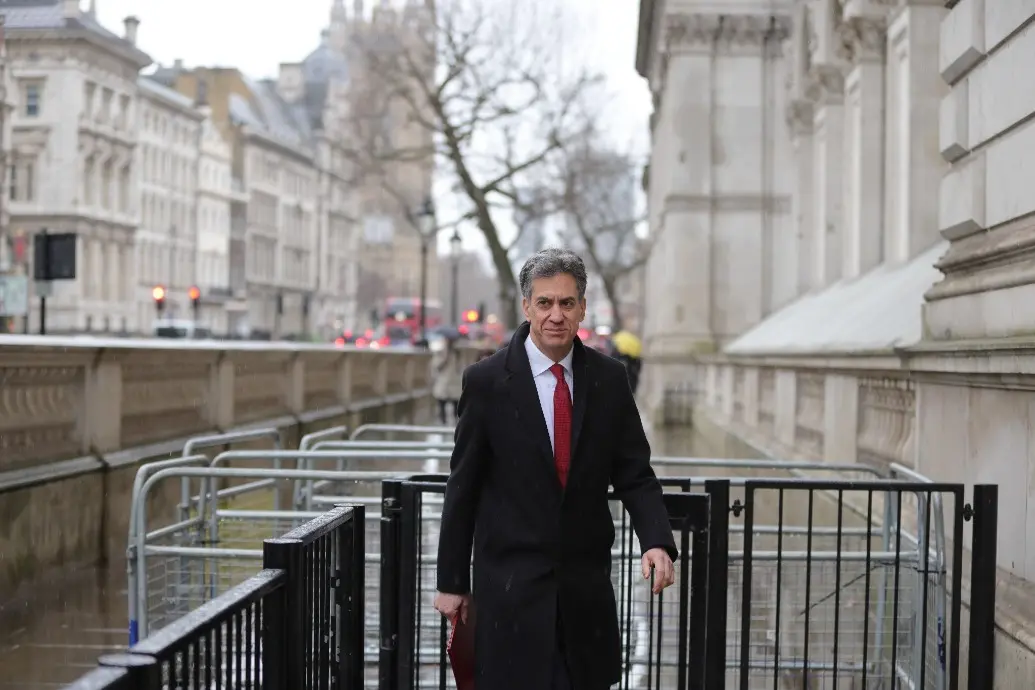
Addressing the UN General Assembly, Foreign Secretary Ed Miliband delivered a sobering assessment of the current state of the global climate. He noted that the impacts witnessed over the past year have been "unprecedented and devastating," citing a litany of disasters that have ravaged various parts of the globe. From lethal heatwaves that have claimed thousands of lives to prolonged droughts that have decimated harvests, the Foreign Secretary emphasized that the consequences of a warming planet are no longer theoretical or distant. He pointed specifically to the role of glacial melt in accelerating fires and flooding, creating a feedback loop of destruction that hits people’s daily lives and livelihoods with a severity never before seen in human history.
Beyond the large-scale investment in the Global Environment Facility, the UK is also contributing £1 million to the UN Climate Security Mechanism. While smaller in monetary value than the primary package, this targeted funding is of immense strategic importance. The UN Climate Security Mechanism is a specialized body that works to bridge the gap between environmental science and peacebuilding. It helps countries identify and respond to climate-related risks before they spiral into armed conflict or large-scale humanitarian emergencies. By providing the tools and expertise necessary for early warning and risk assessment, this mechanism allows the international community to intervene diplomatically and logistically at the earliest possible stage. This proactive approach is a cornerstone of the UK’s revised foreign policy, which prioritizes prevention over reactive crisis management.
Mr. Miliband’s address to the UN was a call to action for the international community to move away from a model of reactive aid. He warned that nations must become more adept at anticipating cyclical environmental events, such as El Niño, which can trigger widespread disruption across the southern hemisphere. The Foreign Secretary argued that waiting for a crisis to hit before mobilizing resources is both inefficient and inhumane. Instead, he advocated for a model where resilience is built into the infrastructure of global governance. By investing in preparedness and adaptation now, the UK and its partners can save lives and prevent the astronomical costs associated with emergency disaster relief and post-conflict reconstruction.
The Foreign Secretary emphasized that the UK is now placing climate and nature security "at the heart" of its foreign policy decision-making. This signifies a departure from traditional diplomatic frameworks where environmental issues were often treated as secondary to trade or military concerns. In this new era of British diplomacy, the ecological health of a region is viewed as a primary indicator of its future stability. The UK’s diplomatic corps and development agencies are being directed to view every international challenge through the lens of climate risk. This integrated approach acknowledges that in a globalized world, environmental failure in one region can lead to supply chain disruptions, migration pressures, and security threats that reverberate across the globe.
The urgency of this policy shift is underscored by the increasing frequency and intensity of climate-related disasters. The UK government’s position is that the window for meaningful intervention is narrowing, and that the financial commitments made today are essential for preventing a future defined by permanent crisis. The £330 million package is intended to serve as a catalyst for further international investment, encouraging other wealthy nations to increase their contributions to climate security and environmental protection. By leading through example, the UK hopes to build a global coalition capable of addressing the multifaceted threats posed by a changing climate.
The emphasis on sustainable agriculture and fishing also reflects a nuanced understanding of the social dynamics of climate change. In many parts of the world, these sectors are the primary employers and the bedrock of local economies. When traditional farming methods fail due to lack of rainfall or when fish stocks migrate due to warming oceans, the resulting economic void is often filled by extremist groups or criminal organizations. By providing the technology and training necessary for sustainable resource management, the UK’s funding helps to maintain the social fabric of these communities, thereby reducing the likelihood of radicalization and civil unrest.
Furthermore, the focus on the Congo Basin highlights the UK’s recognition of the region’s unique role in the global environmental balance. Often referred to as the "second lungs" of the Earth after the Amazon, the Congo Basin is home to one of the largest tropical rainforests in the world. It provides food, water, and shelter for more than 75 million people and is a critical habitat for numerous endangered species. However, the region is also characterized by political fragility and poverty. The UK’s investment aims to harmonize environmental protection with economic development, ensuring that the preservation of the basin provides tangible benefits to the people who live there.
As the UN General Assembly continues, the UK’s announcement has set a high bar for international cooperation on climate security. The commitment to the Global Environment Facility and the UN Climate Security Mechanism demonstrates a clear strategy of using financial resources to bolster the international rules-based order. By strengthening the capacity of international institutions to manage climate risks, the UK is seeking to ensure that the global community is better equipped to handle the challenges of the coming decades.
The Foreign Secretary concluded his remarks by reiterating that the era of treating climate change as a standalone environmental issue is over. It is now, according to the UK’s strategic vision, a fundamental matter of national and international security. The £330 million support package is a testament to this belief, representing a significant down payment on a more stable and resilient global future. As the impacts of climate change continue to unfold, the success of these initiatives will be measured not just in hectares of forest preserved or tons of carbon sequestered, but in the conflicts avoided and the lives protected through proactive, climate-conscious diplomacy.