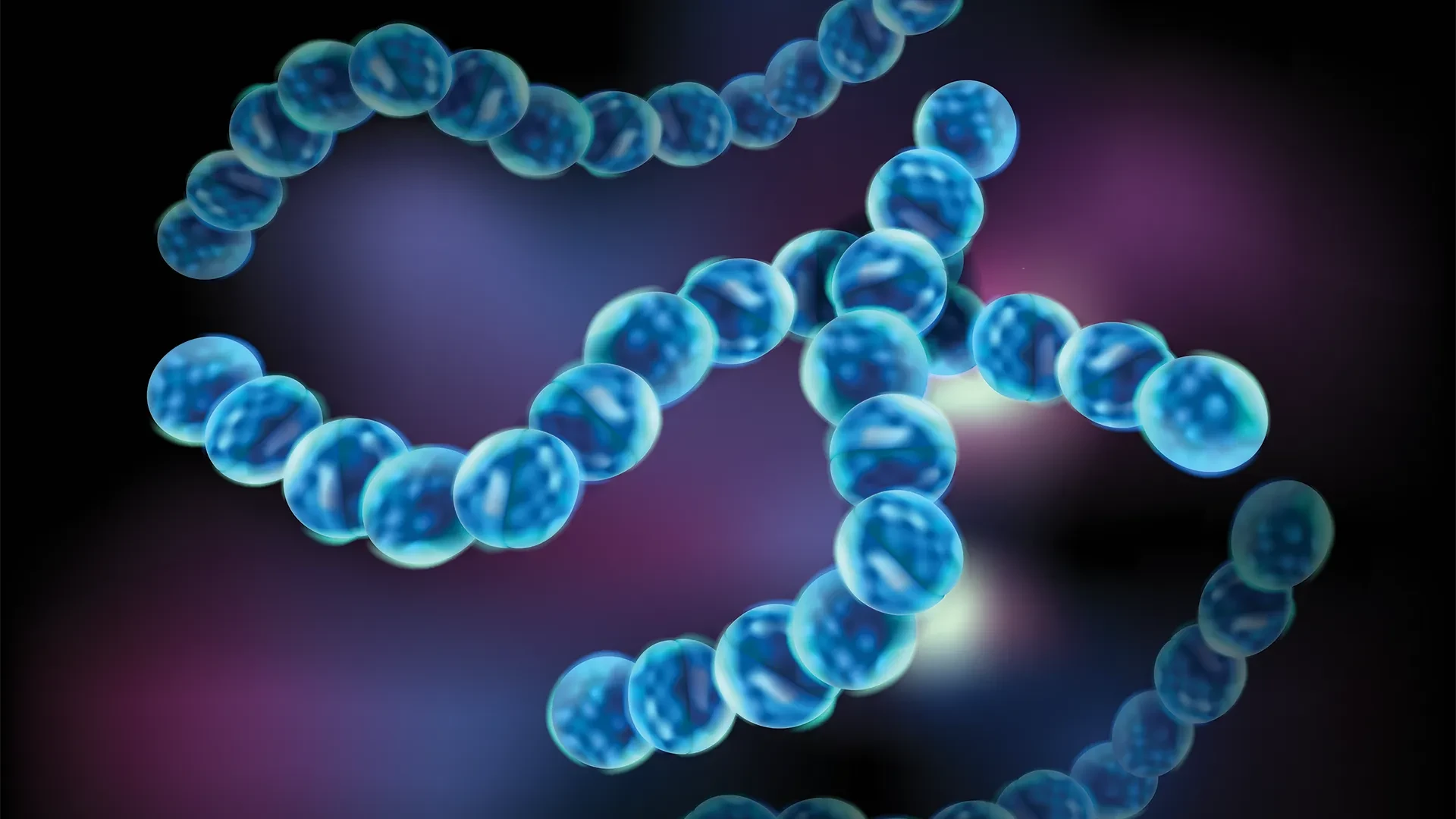
In the ongoing battle against hospital-acquired infections and the global rise of "superbugs," researchers have turned to an unlikely source for inspiration: the extraordinary biomechanics of the flea. A collaborative study led by RMIT University in Australia has successfully harnessed the unique properties of resilin—the protein responsible for a flea’s remarkable jumping ability—to develop a revolutionary antibacterial coating. This bio-inspired material has demonstrated a 100% success rate in laboratory settings at preventing bacteria from attaching to surfaces, signaling a major advancement in the safety and longevity of medical implants.
The study, which represents the first reported use of antibacterial coatings made from resilin-mimetic proteins to completely block bacterial adhesion, addresses a critical vulnerability in modern medicine. While surgical procedures have become increasingly sophisticated, the risk of infection remains a persistent shadow over even the most routine operations. By utilizing the resilient and elastic nature of this insect protein, scientists believe they have found a way to create "smart surfaces" that do not merely treat infections but prevent them from ever taking hold.
The Growing Crisis of Implant-Related Infections
The necessity for such an innovation is underscored by the sobering reality of modern healthcare. Despite rigorous sterilization protocols and advanced infection control measures in operating theaters, bacteria are frequently found on medical implants following surgery. When a foreign object—be it a hip replacement, a heart valve, or a simple catheter—is introduced into the human body, it provides a surface upon which bacteria can settle and thrive.
Once these microorganisms attach to a surface, they often form biofilms—complex, multicellular communities protected by a slimy extracellular matrix. These biofilms act as a fortress, shielding the bacteria from the body’s immune response and rendering standard antibiotic treatments largely ineffective. This often leads to chronic infections that can only be resolved through further invasive surgery to remove and replace the infected implant, a process that is both costly for healthcare systems and physically grueling for patients.
The challenge is further compounded by the escalating crisis of antimicrobial resistance (AMR). As pathogens like Methicillin-resistant Staphylococcus aureus (MRSA) evolve to survive common antibiotics, the medical community’s traditional arsenal is shrinking.
"Antibiotic resistance has prompted greater interest in the area of self-sterilizing materials and easy preparation of antibacterial surfaces," explained Professor Namita Roy Choudhury, the lead author of the study. "Therefore, we designed this surface to completely prevent the initial attachment of the bacteria and biofilm formation to decrease the infection rates."
Choudhury, a researcher at RMIT University, emphasized that the ultimate goal is to create surfaces that are "smart" enough to repel dangerous bacteria over the long term, providing a permanent shield for patients. "This work shows how these coatings can be adjusted to effectively fight bacteria—not just in the short term, but possibly over a long period," she said.
Resilin to the Rescue: Nature’s High-Performance Polymer
The secret to this new coating lies in the molecular structure of resilin. In the natural world, resilin is a protein found in the cuticles of many insects. It is famous for its near-perfect elasticity and its ability to store and release energy with incredible efficiency. It is this protein that allows a flea to catapult itself more than a hundred times its own height in mere microseconds, repeating the action thousands of times without fatigue.
Beyond its mechanical "bounce," however, resilin possesses several characteristics that make it an ideal candidate for biomedical engineering. It is exceptionally resilient, durable, and, perhaps most importantly, biocompatible—meaning it does not trigger an adverse immune response when introduced to human tissue.
"These exceptional properties and non-toxic nature make resilin and resilin-mimetic proteins ideal for many applications requiring flexible, durable materials and coatings," Choudhury noted. While resilin-mimetic proteins have been explored for use in tissue engineering, drug delivery, and even flexible electronics and sports equipment, this RMIT-led study marks the first time their performance has been validated as an antibacterial coating.
To test the material’s efficacy, the research team synthesized several variations of coatings derived from altered forms of resilin. These "mimetic" proteins were engineered to replicate the beneficial properties of the natural version while being optimized for surface application. The team then observed how these coatings interacted with Escherichia coli (E. coli) bacteria and human skin cells under controlled laboratory conditions.
The results were definitive. The study revealed that when the altered proteins were applied in the form of "coacervates"—tiny nano-droplets—they were 100% effective at repelling bacteria. Crucially, while the coating was lethal to bacterial attachment, it remained hospitable to healthy human cells, allowing them to integrate with the surface—a vital requirement for the success of any medical implant.
A Mechanical Solution to a Biological Problem
The mechanism by which the resilin coating defeats bacteria is as fascinating as its origin. Dr. Nisal Wanasingha, a lead author from RMIT, explained that the effectiveness of the coating is largely due to the high surface area of the nano-droplets and their specific chemical charge.
"Once they come in contact, the coating interacts with the negatively charged bacterial cell membranes through electrostatic forces," Wanasingha said. This interaction is not a chemical poisoning, but rather a physical disruption. The electrostatic forces pull at the bacterial membrane, compromising its structural integrity. This leads to the leakage of cellular contents and, ultimately, the death of the bacterial cell before it can ever anchor itself to the implant and begin forming a biofilm.
This "mechanical" approach to killing bacteria offers a significant advantage over traditional antibiotics. Because the coating destroys the bacteria through physical force rather than by interfering with a specific metabolic pathway, it is much harder for the bacteria to develop resistance.
"Unlike antibiotics, which can lead to resistance, the mechanical disruption caused by the resilin coatings may prevent bacteria from establishing resistance mechanisms," Wanasingha added.
Furthermore, the protein-based nature of the coating offers an environmental and safety profile that surpasses other current alternatives. For instance, silver nanoparticles are often used for their antibacterial properties, but there are ongoing concerns regarding their potential toxicity to human cells and their long-term impact on the environment. Resilin, being a natural protein, is inherently more biocompatible and environmentally friendly.
Expanding the Horizon of Medical Safety
The potential applications for this flea-inspired technology extend far beyond orthopedic implants. Professor Choudhury noted that the coating could be applied as a spray to a wide variety of medical tools and devices. Surgical instruments, which must be kept sterile through repeated uses, could benefit from a permanent antibacterial layer. Catheters, which are notorious for causing hospital-acquired urinary tract infections, and wound dressings, which must protect healing tissue from external pathogens, are also primary candidates for the technology.
The versatility of the material is another key factor. Professor Naba Dutta, a co-author of the study, pointed out that resilin-mimetic protein is highly responsive to environmental stimuli. This "tuneable" nature means the coating could potentially be customized for specific medical needs or different parts of the body.
"These early results are very promising as a new way to help improve infection control in hospitals and other medical settings," Dutta said. However, he cautioned that while the lab results are a landmark success, the journey to clinical application involves several more hurdles.
The Path Forward: From Lab to Clinic
The next phase of the research will involve testing the resilin coatings against a broader spectrum of pathogens. While the 100% success rate against E. coli is a significant milestone, the team needs to ensure the coating is equally effective against other common hospital-acquired bacteria, including the various strains of staphylococcus and streptococcus.
"Future work includes attaching antimicrobial peptide segments during recombinant synthesis of resilin-mimics and incorporating additional antimicrobial agents to broaden the spectrum of activity," Dutta explained. By essentially "decorating" the resilin backbone with further antibacterial tools, the researchers hope to create an even more robust defense system.
Beyond the biological testing, the team must also address the practicalities of mass production. Transitioning from a successful laboratory experiment to a commercially viable medical product requires ensuring that the formula is stable over time and can be produced at scale. This involves developing affordable production methods that maintain the protein’s integrity while allowing for widespread distribution. Extensive safety and efficacy trials will be required to meet the stringent requirements of medical regulatory bodies.
The success of this research was made possible through an extensive collaborative network. The study involved the ARC Centre of Excellence for Nanoscale BioPhotonics and the Australian Nuclear Science and Technology Organisation (ANSTO). The researchers utilized state-of-the-art facilities, including ANSTO’s Australian Centre for Neutron Scattering, as well as RMIT University’s Micro Nano Research Facility and its Microscopy and Microanalysis Facility. These tools allowed the team to observe the interactions between the proteins and bacteria at a molecular level, providing the data necessary to confirm the coating’s effectiveness.
The project received support from several prestigious bodies, including the Australia India Strategic Research Fund, the Australian Research Council, and the Australian Institute of Nuclear Science and Engineering (AINSE).
As the medical world continues to grapple with the limitations of traditional antibiotics, the leap from the back of a flea to the surface of a titanium hip replacement represents more than just a clever use of biomimicry. It represents a shift toward smarter, safer, and more resilient medical technologies that work in harmony with human biology while standing firm against the threat of infection.