"These exceptional properties and non-toxic nature make resilin and resilin-mimetic proteins ideal for many applications requiring flexible, durable materials and coatings," Choudhury noted. While resilin-mimetic proteins have been explored for use in tissue engineering, drug delivery, and even flexible electronics and sports equipment, this RMIT-led study marks the first time their performance has been validated as an antibacterial coating.
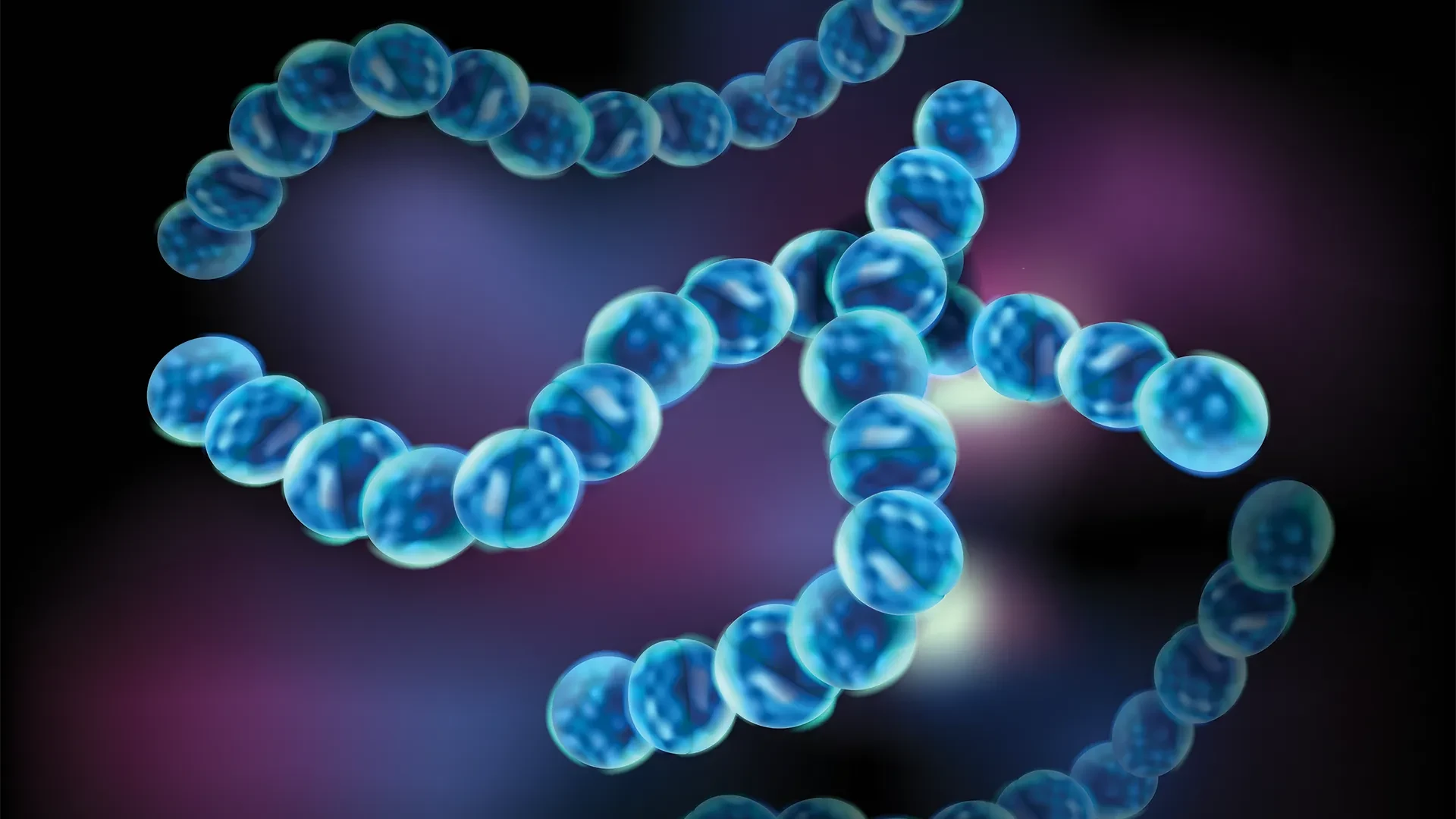
To test the material’s efficacy, the research team synthesized several variations of coatings derived from altered forms of resilin. These "mimetic" proteins were engineered to replicate the beneficial properties of the natural version while being optimized for surface application. The team then observed how these coatings interacted with Escherichia coli (E. coli) bacteria and human skin cells under controlled laboratory conditions.
The results were definitive. The study revealed that when the altered proteins were applied in the form of "coacervates"—tiny nano-droplets—they were 100% effective at repelling bacteria. Crucially, while the coating was lethal to bacterial attachment, it remained hospitable to healthy human cells, allowing them to integrate with the surface—a vital requirement for the success of any medical implant.
A Mechanical Solution to a Biological Problem
The mechanism by which the resilin coating defeats bacteria is as fascinating as its origin. Dr. Nisal Wanasingha, a lead author from RMIT, explained that the effectiveness of the coating is largely due to the high surface area of the nano-droplets and their specific chemical charge.
"Once they come in contact, the coating interacts with the negatively charged bacterial cell membranes through electrostatic forces," Wanasingha said. This interaction is not a chemical poisoning, but rather a physical disruption. The electrostatic forces pull at the bacterial membrane, compromising its structural integrity. This leads to the leakage of cellular contents and, ultimately, the death of the bacterial cell before it can ever anchor itself to the implant and begin forming a biofilm.
This "mechanical" approach to killing bacteria offers a significant advantage over traditional antibiotics. Because the coating destroys the bacteria through physical force rather than by interfering with a specific metabolic pathway, it is much harder for the bacteria to develop resistance.
"Unlike antibiotics, which can lead to resistance, the mechanical disruption caused by the resilin coatings may prevent bacteria from establishing resistance mechanisms," Wanasingha added.
Furthermore, the protein-based nature of the coating offers an environmental and safety profile that surpasses other current alternatives. For instance, silver nanoparticles are often used for their antibacterial properties, but there are ongoing concerns regarding their potential toxicity to human cells and their long-term impact on the environment. Resilin, being a natural protein, is inherently more biocompatible and environmentally friendly.
Expanding the Horizon of Medical Safety
The potential applications for this flea-inspired technology extend far beyond orthopedic implants. Professor Choudhury noted that the coating could be applied as a spray to a wide variety of medical tools and devices. Surgical instruments, which must be kept sterile through repeated uses, could benefit from a permanent antibacterial layer. Catheters, which are notorious for causing hospital-acquired urinary tract infections, and wound dressings, which must protect healing tissue from external pathogens, are also primary candidates for the technology.