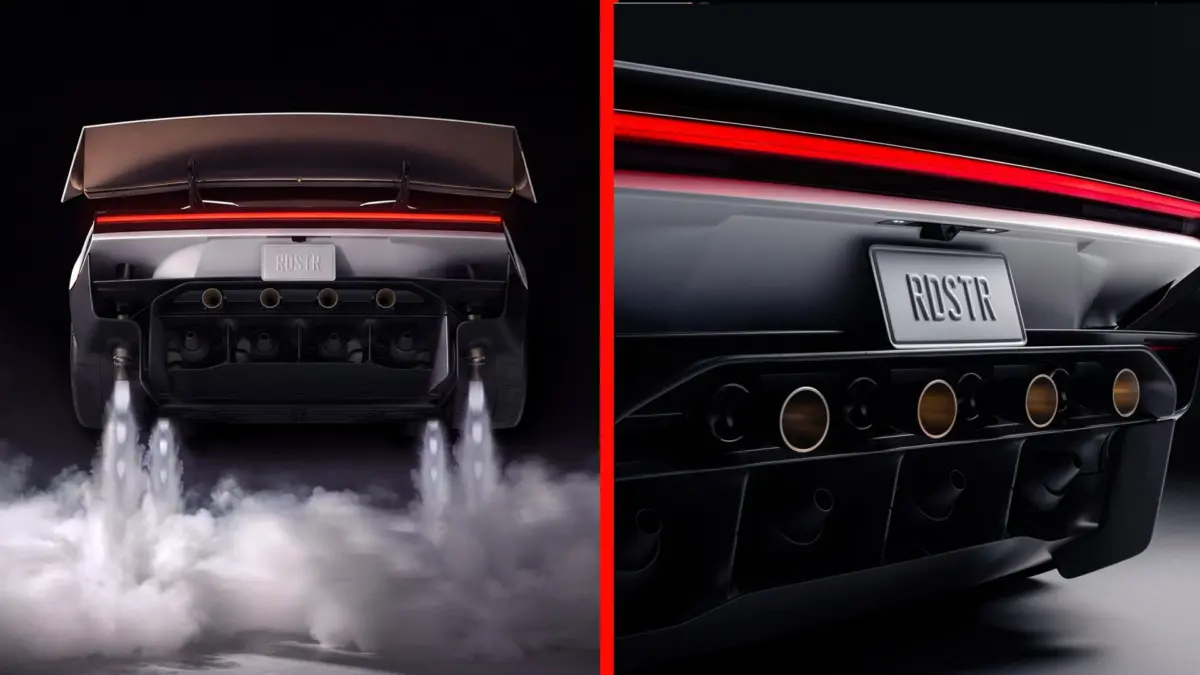
In a spectacle that blurred the lines between a high-tech product launch and a grand-scale illusion, Tesla has finally provided a glimpse into the future of its long-delayed next-generation Roadster. At a high-profile event livestreamed yesterday from the SpaceXAI testing facility in Texas, the electric vehicle giant demonstrated a concept model of its "flying" car, a vehicle that has lived in the realm of social media teasers and ambitious promises for nearly a decade. The presentation, featuring a two-seater vehicle performing aerial maneuvers on a stage set reminiscent of a David Copperfield performance, aimed to prove that the intersection of automotive engineering and aerospace technology is no longer a matter of fiction.
The demonstration was centered on the "SpaceX option package," a suite of upgrades first mentioned by CEO Elon Musk in 2018. During the pre-programmed sequence, which notably featured no human driver, the Roadster concept was driven up a steep ramp before performing a "kickflip" off a half-pipe. The vehicle appeared to glide briefly through the air before returning to the ground. In a subsequent display of vertical agility, the car was shown lifting off from a stationary position, performing a controlled "hop" over a row of parked vehicles.
"Flying cars are real," Musk told the audience, a statement that served as both a victory lap for his engineering teams and perhaps a subtle nod to the burgeoning competition in the eVTOL (electric vertical take-off and landing) sector. However, while the visual of a sports car hovering over obstacles was undeniably striking, the path from yesterday’s theatrical display to a mass-produced consumer product remains fraught with technical and regulatory hurdles.
A Decade in the Making
The journey of the second-generation Tesla Roadster has been one of shifting goalposts and legendary performance claims. First unveiled in 2017 as a surprise "one more thing" during the Tesla Semi event, the car was originally slated for production in 2020. At the time, it was marketed as the ultimate "hardcore smackdown" to gasoline-powered supercars, with a promised 0-60 mph time of 1.9 seconds and a range of 620 miles.
As the years passed, the project was repeatedly sidelined to prioritize the high-volume Model 3 and Model Y, as well as the development of the Cybertruck. In 2018, Musk upped the ante by announcing the collaboration with SpaceX, suggesting that the car would utilize cold-gas thrusters—essentially small rocket engines—to improve acceleration, braking, and cornering. He famously tweeted at the time that these thrusters "maybe will even allow a Tesla to fly."
With the new delivery date now set for 2028, the Roadster will have been in development for eleven years by the time it reaches the first customers—assuming no further delays occur. This extended timeline has turned the Roadster into a symbol of Tesla’s "aspirational" engineering, where the gap between a prototype’s capabilities and a road-legal production vehicle’s reality can span over a decade.
The Mechanics of the "Hop"
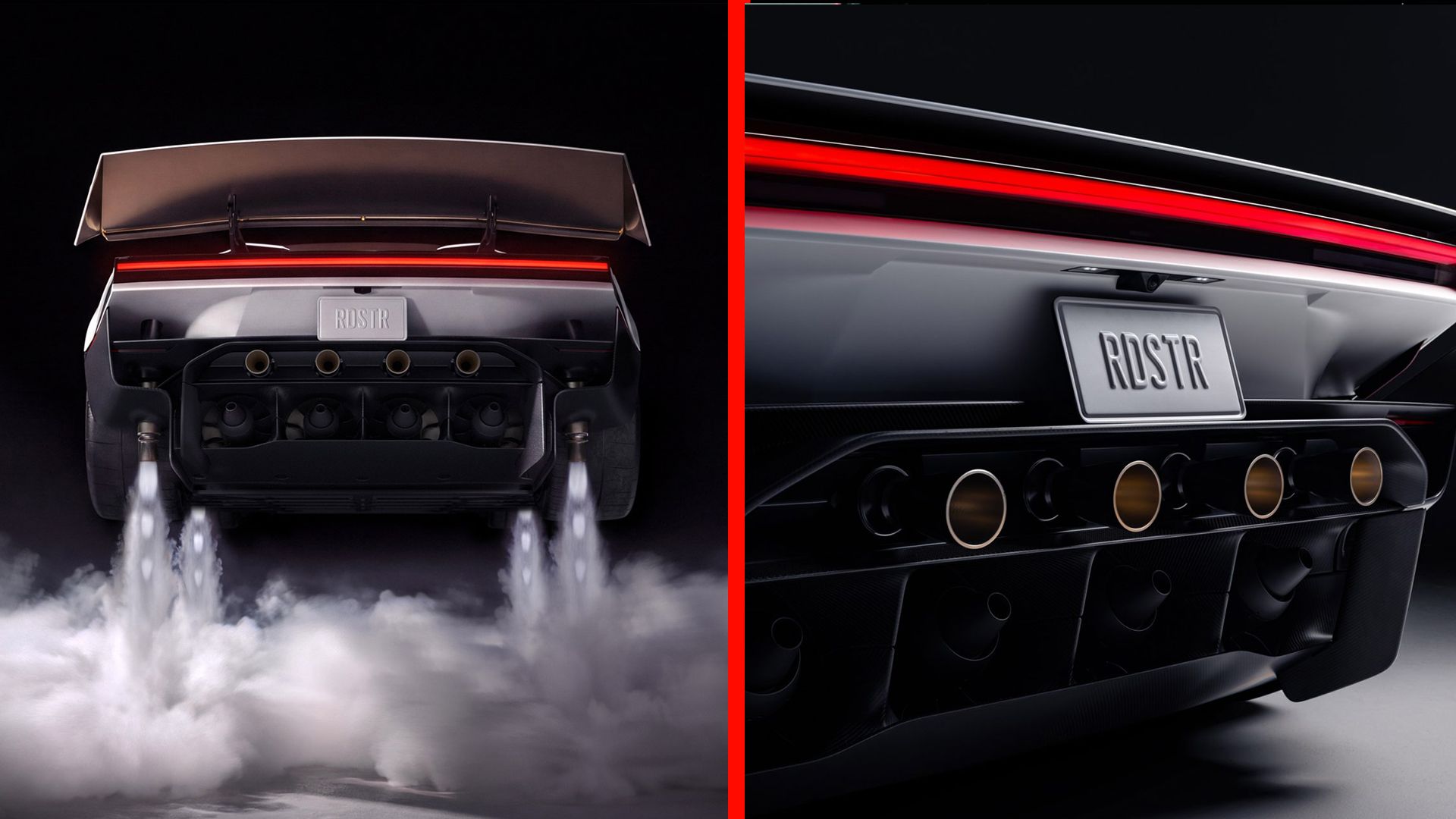
The technology behind yesterday’s demonstration is a significant departure from traditional automotive design. To achieve its aerial feats, the concept Roadster was fitted with rechargeable "ultra high-pressure air tanks." These tanks supply the cold gas thrusters located around the vehicle, providing the vertical propulsion necessary for short hops and the cushioning required for landings.
One of the more intriguing technical details revealed during the event was the use of a fan suction system. This system allowed the car to maintain an uncanny level of grip on the steep steel ramp during the demo, preventing it from sliding before the thrusters engaged. This "ground effect" technology is often used in high-end racing to increase downforce, but Tesla appears to be utilizing it in reverse to facilitate controlled liftoffs and landings.
Beyond the "flying" aspect, the thrusters are designed to fire rearwards to provide a massive boost in longitudinal acceleration. Tesla claimed yesterday that this system allows the Roadster to reach 60 miles per hour in a staggering 0.81 seconds. For context, the fastest-accelerating production cars currently on the market, such as the Rimac Nevera, achieve the same feat in approximately 1.7 to 1.8 seconds. A sub-one-second sprint would place the Roadster in a category of its own, though it raises questions about the physical toll such G-forces would take on an average driver.