Gimmick vs. Utility
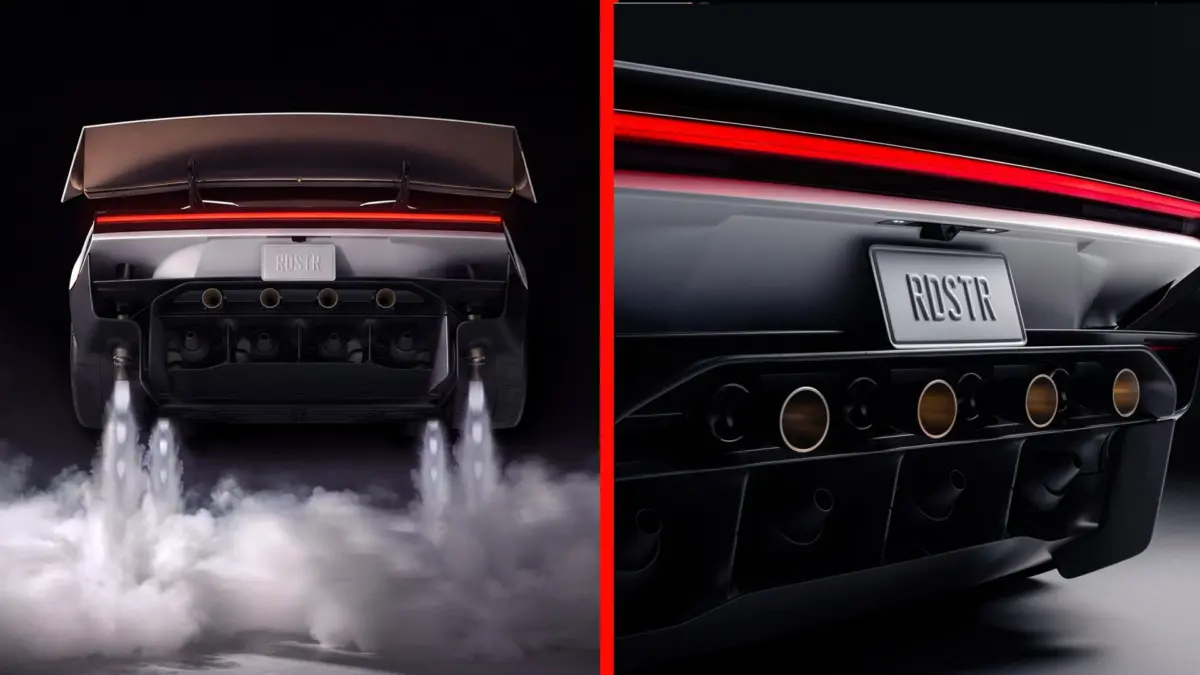
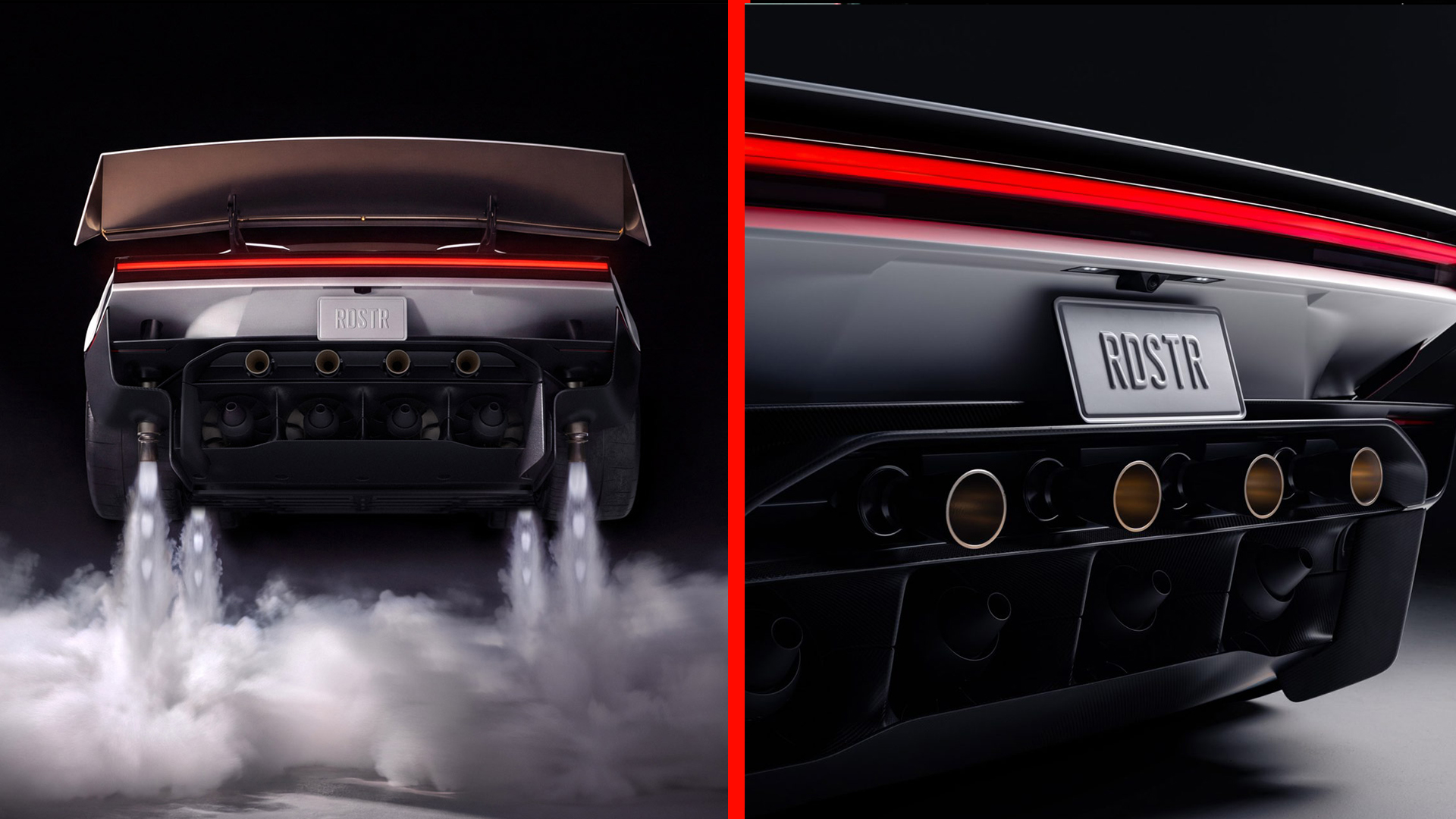
Despite the impressive physics on display, industry analysts have raised concerns regarding the practical application of these features. The reliance on compressed air tanks introduces a significant weight penalty and occupies substantial space within the vehicle’s chassis—likely why the "SpaceX" variant is a two-seater rather than the four-seater configuration of the base model.
Furthermore, the "flight" time is inherently limited. Because the system relies on the rapid release of stored air, the car can only sustain its hovering or jumping maneuvers for a few seconds before the tanks must be refilled by an onboard electric compressor. This inefficiency has led some critics to label the flying Roadster a "very elaborate gimmick."
There is also the question of road legality. While a car that can jump over traffic jams is a staple of science fiction, the reality of operating high-pressure thrusters on public roads is a regulatory nightmare. The noise levels, the potential for debris being kicked up by the air blasts, and the safety risks of a car "hopping" in an uncontrolled environment make it unlikely that the full flight system will ever be approved for use outside of private tracks or specialized facilities.
Tesla’s own website reflects this exclusivity. Reserving a base model Roadster requires a £50,000 deposit, while the "Thrust" version, which features rearward boosters for acceleration but lacks the vertical lift system, requires a $250,000 deposit. The top-tier "Rocket" variant, equipped with the "full flight system" shown yesterday, is listed as being available only by invitation, suggesting a extremely limited production run for a select group of collectors and brand ambassadors.
The "Boy Who Cried Wolf" Effect
The skepticism surrounding the Roadster is fueled in part by Musk’s history of making grand claims that fail to materialize in the production phase. In 2022, the CEO famously asserted that the Cybertruck would be "waterproof enough to serve briefly as a boat," capable of crossing rivers and calm seas. When the production Cybertruck finally arrived, it featured a "Wade Mode" that pressurized the battery pack, but it fell far short of the amphibious capabilities Musk had initially described.
Tesla chief designer Franz von Holzhausen has attempted to ground the Roadster’s hype in design philosophy, noting that the car’s angular lines and dramatic scissor doors were inspired by an "aerospace aesthetic." Musk, meanwhile, described the vehicle as the pinnacle of his two greatest ventures, calling it "what happens when you have a collaboration with the world’s best car company and the world’s best rocket company."
Yet, even Musk admitted during the event that "success is not guaranteed," though he added that "it will probably work." For investors and enthusiasts, "probably" is a tenuous word when backed by a $250,000 price tag and a four-year wait.
A Crowded Field of Competitors
When the Roadster was first announced in 2017, Tesla was the undisputed leader in the electric vehicle space. Today, the landscape is radically different. While Tesla has been fine-tuning its rocket thrusters, other manufacturers have brought high-performance electric hypercars to market.