In a spectacle that blurred the lines between a high-tech product launch and a grand-scale illusion, Tesla has finally provided a glimpse into the future of its long-delayed next-generation Roadster. At a high-profile event livestreamed yesterday from the SpaceXAI testing facility in Texas, the electric vehicle giant demonstrated a concept model of its "flying" car, a vehicle that has lived in the realm of social media teasers and ambitious promises for nearly a decade. The presentation, featuring a two-seater vehicle performing aerial maneuvers on a stage set reminiscent of a David Copperfield performance, aimed to prove that the intersection of automotive engineering and aerospace technology is no longer a matter of fiction.
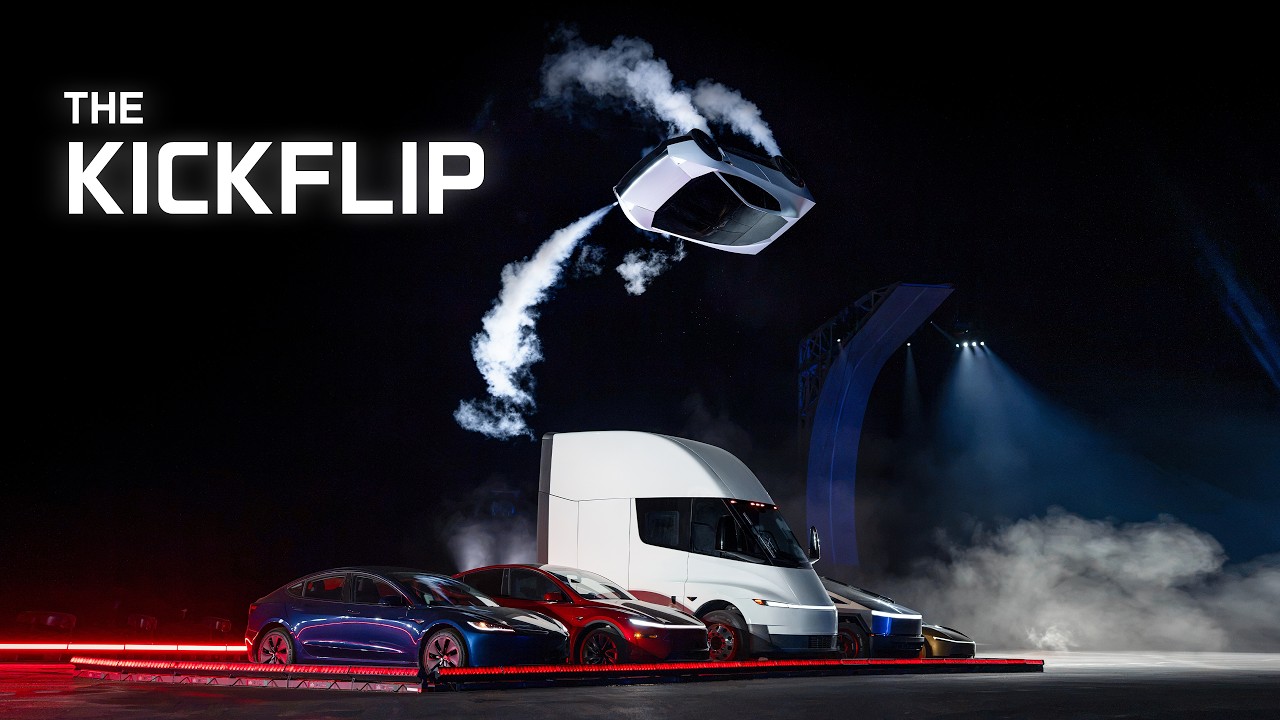
The demonstration was centered on the "SpaceX option package," a suite of upgrades first mentioned by CEO Elon Musk in 2018. During the pre-programmed sequence, which notably featured no human driver, the Roadster concept was driven up a steep ramp before performing a "kickflip" off a half-pipe. The vehicle appeared to glide briefly through the air before returning to the ground. In a subsequent display of vertical agility, the car was shown lifting off from a stationary position, performing a controlled "hop" over a row of parked vehicles.
"Flying cars are real," Musk told the audience, a statement that served as both a victory lap for his engineering teams and perhaps a subtle nod to the burgeoning competition in the eVTOL (electric vertical take-off and landing) sector. However, while the visual of a sports car hovering over obstacles was undeniably striking, the path from yesterday’s theatrical display to a mass-produced consumer product remains fraught with technical and regulatory hurdles.
A Decade in the Making
The journey of the second-generation Tesla Roadster has been one of shifting goalposts and legendary performance claims. First unveiled in 2017 as a surprise "one more thing" during the Tesla Semi event, the car was originally slated for production in 2020. At the time, it was marketed as the ultimate "hardcore smackdown" to gasoline-powered supercars, with a promised 0-60 mph time of 1.9 seconds and a range of 620 miles.
As the years passed, the project was repeatedly sidelined to prioritize the high-volume Model 3 and Model Y, as well as the development of the Cybertruck. In 2018, Musk upped the ante by announcing the collaboration with SpaceX, suggesting that the car would utilize cold-gas thrusters—essentially small rocket engines—to improve acceleration, braking, and cornering. He famously tweeted at the time that these thrusters "maybe will even allow a Tesla to fly."
With the new delivery date now set for 2028, the Roadster will have been in development for eleven years by the time it reaches the first customers—assuming no further delays occur. This extended timeline has turned the Roadster into a symbol of Tesla’s "aspirational" engineering, where the gap between a prototype’s capabilities and a road-legal production vehicle’s reality can span over a decade.
The Mechanics of the "Hop"
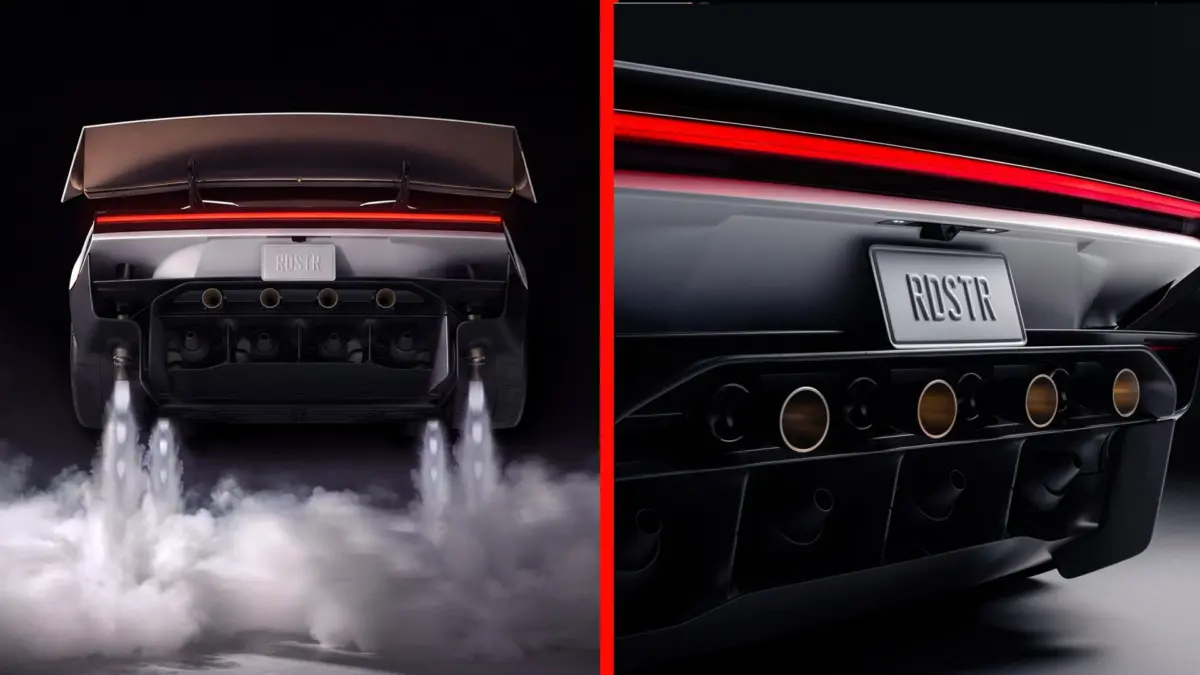
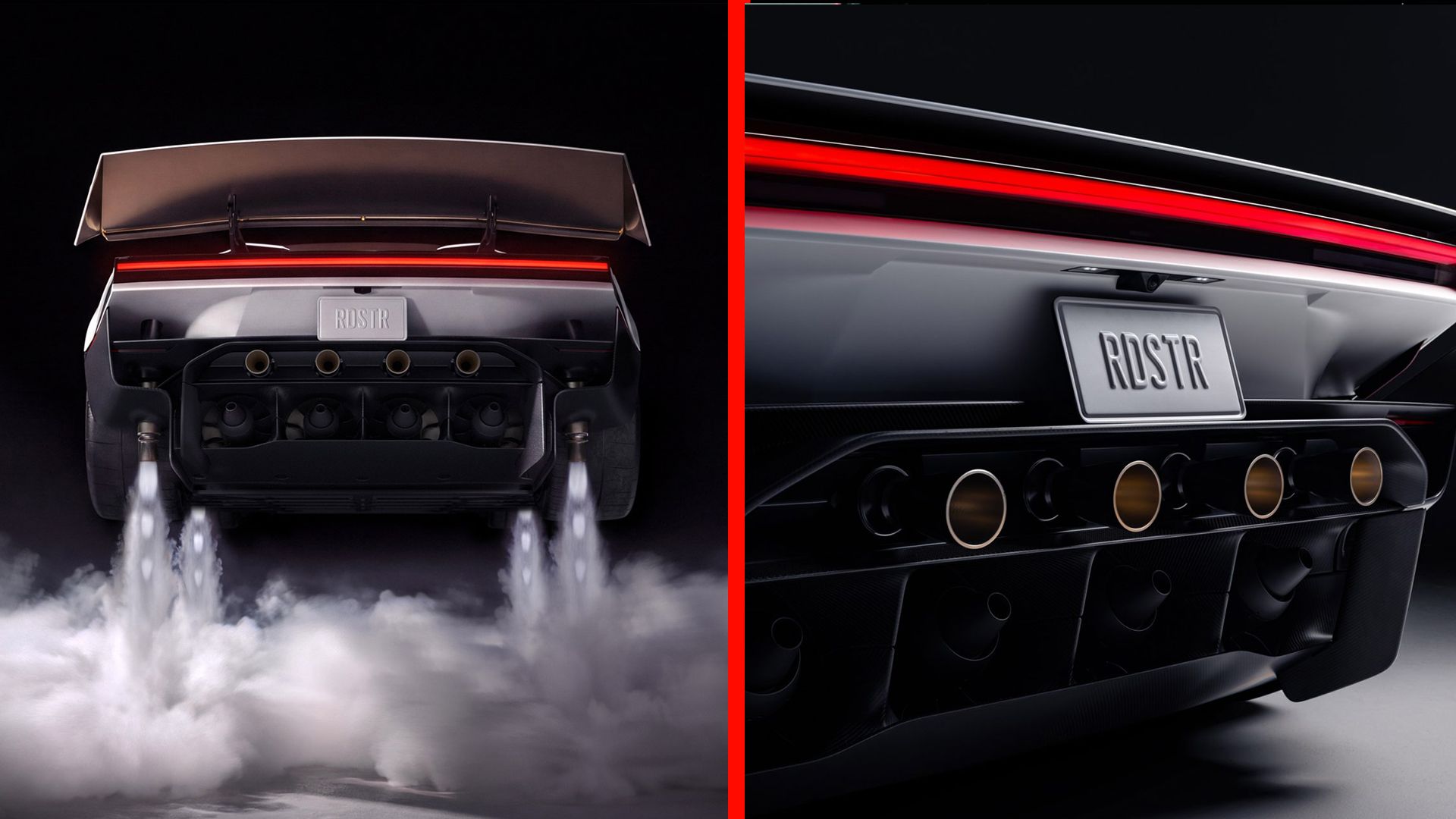
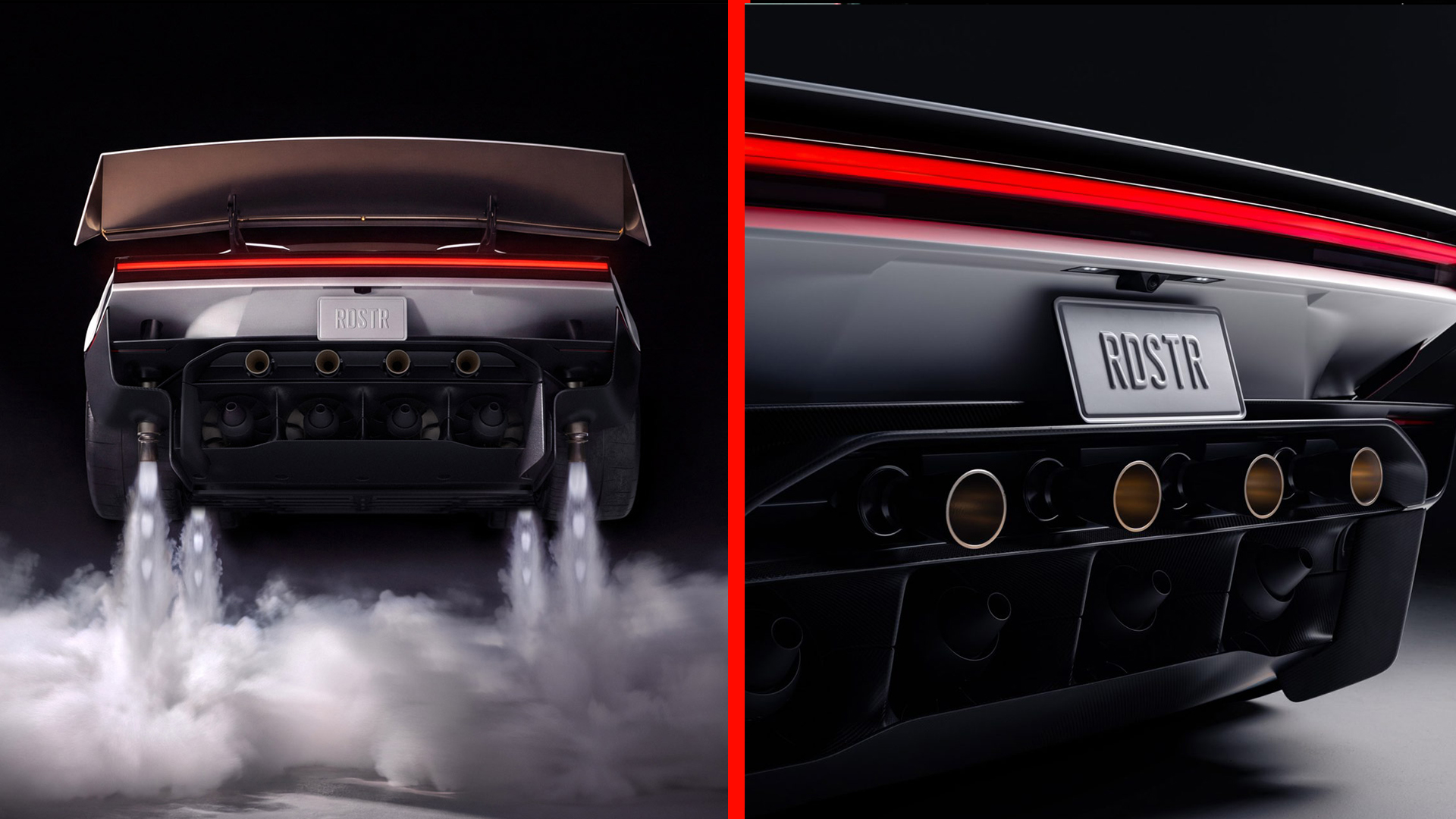
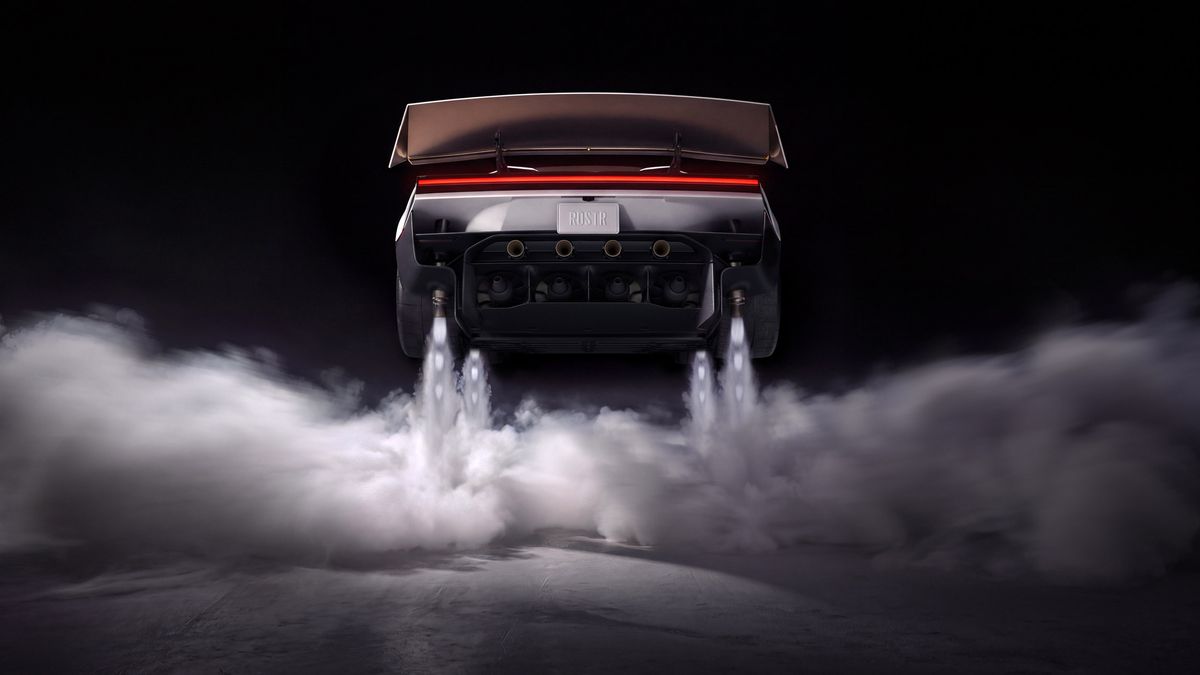
The technology behind yesterday’s demonstration is a significant departure from traditional automotive design. To achieve its aerial feats, the concept Roadster was fitted with rechargeable "ultra high-pressure air tanks." These tanks supply the cold gas thrusters located around the vehicle, providing the vertical propulsion necessary for short hops and the cushioning required for landings.
One of the more intriguing technical details revealed during the event was the use of a fan suction system. This system allowed the car to maintain an uncanny level of grip on the steep steel ramp during the demo, preventing it from sliding before the thrusters engaged. This "ground effect" technology is often used in high-end racing to increase downforce, but Tesla appears to be utilizing it in reverse to facilitate controlled liftoffs and landings.
Beyond the "flying" aspect, the thrusters are designed to fire rearwards to provide a massive boost in longitudinal acceleration. Tesla claimed yesterday that this system allows the Roadster to reach 60 miles per hour in a staggering 0.81 seconds. For context, the fastest-accelerating production cars currently on the market, such as the Rimac Nevera, achieve the same feat in approximately 1.7 to 1.8 seconds. A sub-one-second sprint would place the Roadster in a category of its own, though it raises questions about the physical toll such G-forces would take on an average driver.
Gimmick vs. Utility
Despite the impressive physics on display, industry analysts have raised concerns regarding the practical application of these features. The reliance on compressed air tanks introduces a significant weight penalty and occupies substantial space within the vehicle’s chassis—likely why the "SpaceX" variant is a two-seater rather than the four-seater configuration of the base model.
Furthermore, the "flight" time is inherently limited. Because the system relies on the rapid release of stored air, the car can only sustain its hovering or jumping maneuvers for a few seconds before the tanks must be refilled by an onboard electric compressor. This inefficiency has led some critics to label the flying Roadster a "very elaborate gimmick."
There is also the question of road legality. While a car that can jump over traffic jams is a staple of science fiction, the reality of operating high-pressure thrusters on public roads is a regulatory nightmare. The noise levels, the potential for debris being kicked up by the air blasts, and the safety risks of a car "hopping" in an uncontrolled environment make it unlikely that the full flight system will ever be approved for use outside of private tracks or specialized facilities.
Tesla’s own website reflects this exclusivity. Reserving a base model Roadster requires a £50,000 deposit, while the "Thrust" version, which features rearward boosters for acceleration but lacks the vertical lift system, requires a $250,000 deposit. The top-tier "Rocket" variant, equipped with the "full flight system" shown yesterday, is listed as being available only by invitation, suggesting a extremely limited production run for a select group of collectors and brand ambassadors.
The "Boy Who Cried Wolf" Effect
The skepticism surrounding the Roadster is fueled in part by Musk’s history of making grand claims that fail to materialize in the production phase. In 2022, the CEO famously asserted that the Cybertruck would be "waterproof enough to serve briefly as a boat," capable of crossing rivers and calm seas. When the production Cybertruck finally arrived, it featured a "Wade Mode" that pressurized the battery pack, but it fell far short of the amphibious capabilities Musk had initially described.
Tesla chief designer Franz von Holzhausen has attempted to ground the Roadster’s hype in design philosophy, noting that the car’s angular lines and dramatic scissor doors were inspired by an "aerospace aesthetic." Musk, meanwhile, described the vehicle as the pinnacle of his two greatest ventures, calling it "what happens when you have a collaboration with the world’s best car company and the world’s best rocket company."
Yet, even Musk admitted during the event that "success is not guaranteed," though he added that "it will probably work." For investors and enthusiasts, "probably" is a tenuous word when backed by a $250,000 price tag and a four-year wait.
A Crowded Field of Competitors
When the Roadster was first announced in 2017, Tesla was the undisputed leader in the electric vehicle space. Today, the landscape is radically different. While Tesla has been fine-tuning its rocket thrusters, other manufacturers have brought high-performance electric hypercars to market.
Companies like Rimac have set world records with the Nevera, and Chinese giants like BYD and Xiaomi have introduced flagship EVs that rival Tesla’s performance metrics. Xiaomi’s SU7 Ultra recently made waves with its track performance, and BYD’s Yangwang U9 features its own "dancing" suspension system that can lift the car off the ground—albeit through hydraulic means rather than rocket thrusters.
The luxury segment is also preparing for an influx of high-end electric models, including the Jaguar Type-01, the Bentley Torcal, and the Ferrari Luce. These legacy brands are focusing on a blend of performance and traditional luxury, a combination that may appeal to wealthy buyers who are weary of Tesla’s minimalist interiors and software-centric approach.
The market’s reaction to yesterday’s event suggests that the "Musk premium"—the boost in stock price that usually follows a major announcement—may be waning. Tesla shares remained down by 4.5% over the last week and have dropped more than 16% since the beginning of the year. Investors appear to be prioritizing high-volume production and profit margins over experimental "halo" cars that are years away from the assembly line.
The Rivalry with Alef Aeronautics
Tesla is also no longer the only company claiming the title of a "flying car" manufacturer. Alef Aeronautics, a California-based startup, has already begun limited hand-built production of its Model A, a vehicle designed for controlled testing and eventual consumer use.
Unlike the Roadster, which uses air thrusters for short bursts of movement, Alef’s Model A utilizes a more traditional eVTOL approach. It features eight internal, enclosed propellers integrated into a mesh-like shell, allowing it to take off vertically and transition into forward flight.
Following Tesla’s event, Alef CEO Jim Dukhovny offered a pointed critique: “Welcome, Tesla, to the flying car race; we’ve been here alone for eleven years.” To drive the point home, Alef released a video showing its Model A "flying" over a Tesla Roadster and a Cybertruck, claiming the footage represented the 1,000th recorded flight of their vehicle.
The Road to 2028
As the dust settles on the Texas testing facility, the Tesla Roadster remains a paradox. It is a technological marvel that pushes the boundaries of what a car can be, yet it is also a reminder of the company’s struggle to bridge the gap between visionary concepts and deliverable products.
The "kickflip" seen yesterday was a masterclass in engineering theater, designed to recapture the imagination of a public that has become increasingly accustomed to the once-novel world of electric cars. Whether the Roadster will eventually serve as a legitimate performance benchmark or remain a high-priced curiosity for the "invited" few will depend on Tesla’s ability to navigate the next four years without further delays. For now, the flying car is real—but only if you’re standing on a stage in Texas.