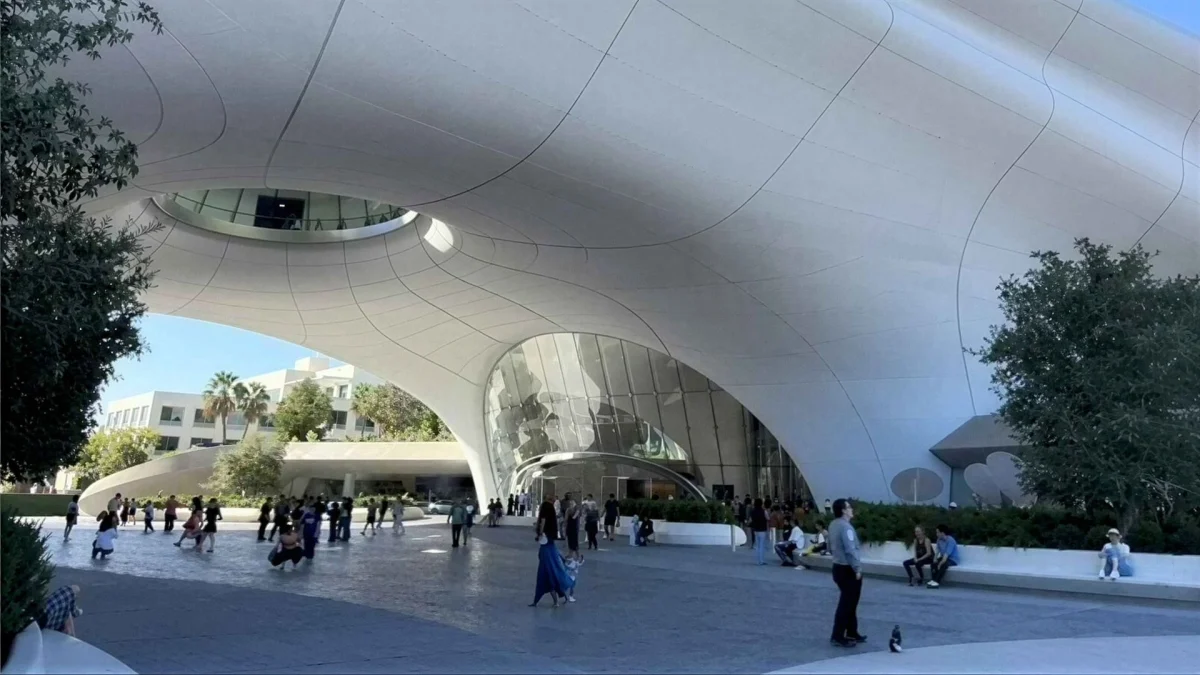
After years of anticipation and a series of construction delays that pushed its debut back from an original 2021 target, the Lucas Museum of Narrative Art has officially opened its doors in Los Angeles. Founded by the legendary filmmaker George Lucas and his wife, the prominent businesswoman Mellody Hobson, the institution represents a significant addition to the cultural landscape of Southern California. More than just a repository for film memorabilia, the museum seeks to challenge the traditional hierarchies of the art world by placing popular illustration, comic books, and digital production art on the same pedestal as classical oil paintings.
The museum’s mission is rooted in the concept of "narrative art"—visual storytelling that transcends medium and era. While major metropolitan museums have historically focused on abstract or formalist movements, the Lucas Museum celebrates art that tells a story, whether that story is found in a Renaissance masterpiece, a daily newspaper comic strip, or the concept sketches for a modern blockbuster. This approach aims to democratize the gallery experience, acknowledging that the emotional impact of a contemporary graphic novel can be just as profound as that of a 17th-century portrait.
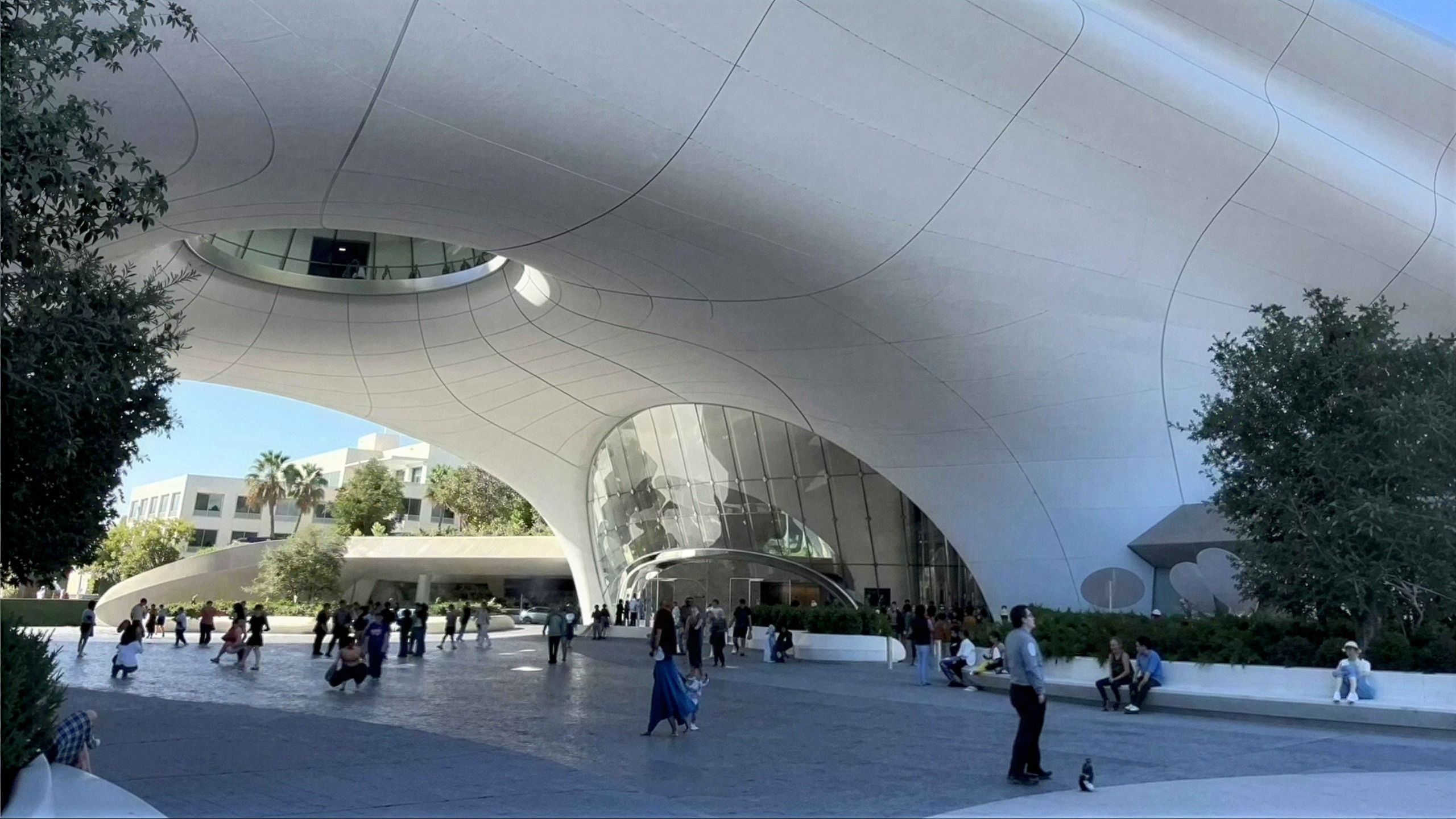
Located in the heart of Los Angeles near Exposition Park, the museum occupies a prime spot within a burgeoning cultural hub. The choice of location is particularly noteworthy for its accessibility. While Los Angeles is often criticized for its sprawling, car-centric layout, the museum’s proximity to the city’s evolving public transit network—specifically the Metro and various bus lines—makes it a rare destination that does not strictly require a vehicle for a visit. For those who do choose to drive, a dedicated parking garage is situated nearby, though the ease of the walk from the local Metro station suggests a shift toward a more pedestrian-friendly future for the city’s museum-goers.
Entering the Library and learning something new
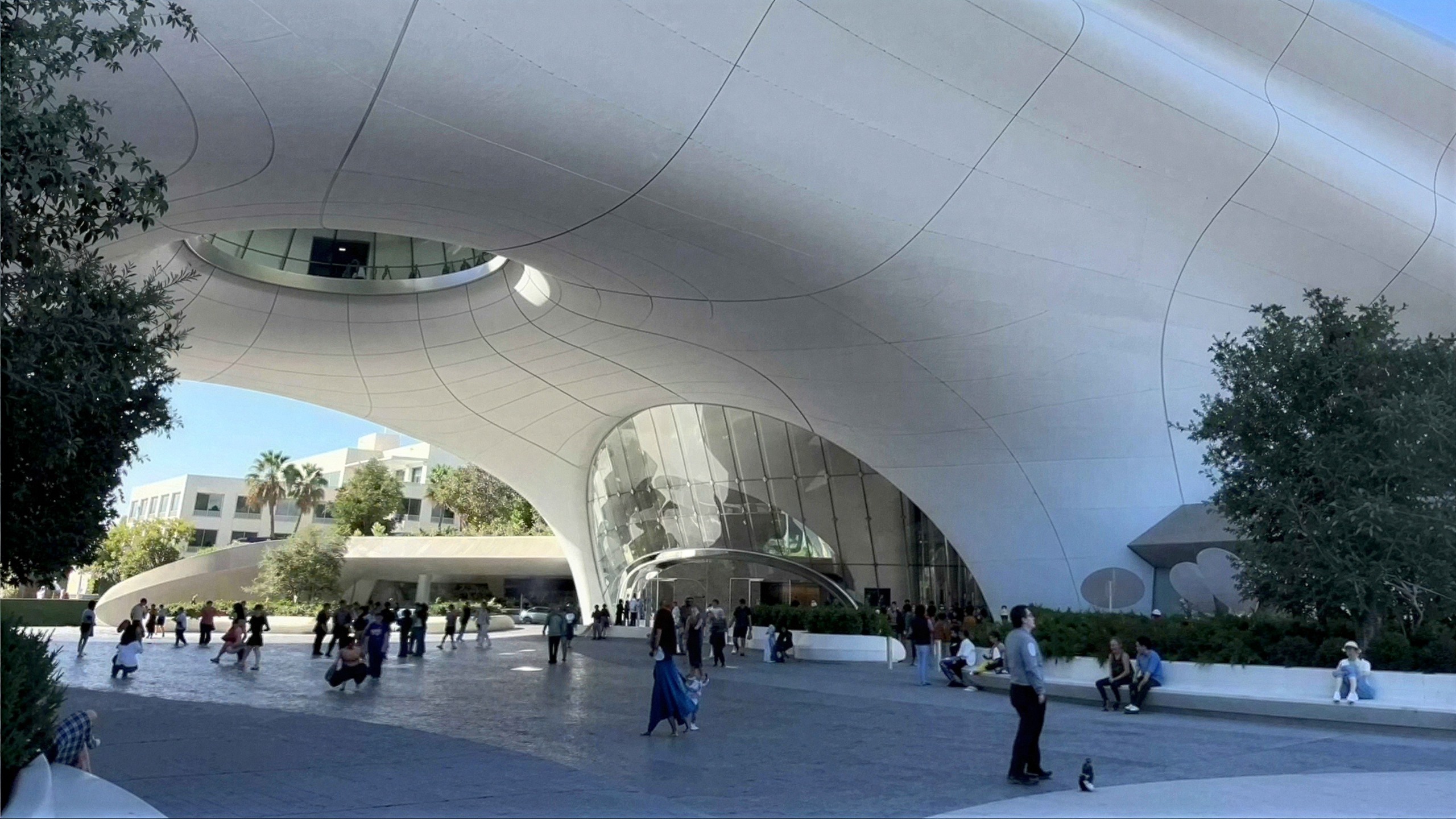
Upon arriving at the campus, visitors are greeted by a striking architectural ensemble consisting of two primary structures. To the left stands the educational center, a facility dedicated to the academic and pedagogical aspects of narrative art. Its centerpiece is the three-floor Research Library, an expansive resource for scholars, artists, and the curious public. To the right lies the main gallery building, which houses the museum’s extensive permanent collection and rotating exhibitions.
The Research Library serves as an essential primer for the museum’s philosophy. The ground floor is open to the public and features a curated selection of books that provide context for the art found in the galleries. The collection is vast and eclectic, featuring titles that highlight the diverse inspirations behind narrative storytelling. Among the notable volumes are A Day in the Life of America, a celebrated coffee table book by Rick Smolan and David Elliot Cohen that uses photography to capture the soul of a nation, and Alice A. Carter’s The Red Rose Girls: An Uncommon Story of Art and Love, which chronicles the lives and works of influential female illustrators at the turn of the 20th century.
The covers of these books alone tell a story. The deep blue, nighttime imagery of the American West on Smolan’s book evokes the mythic era of the cowboy, a seminal theme in American narrative art. In contrast, the floral elegance of Carter’s biography reflects the domestic and professional struggles of female artists in a male-dominated industry. The library encourages a slow, immersive experience, inviting visitors to browse the stacks and return books to their places, though the sheer volume of material ensures that even the most dedicated reader would find it impossible to consume everything in a single lifetime.
The upper floors of the library offer even more specialized resources, though access is currently more restricted. The second floor houses the Skywalker Ranch Library, a collection of research materials and volumes that George Lucas and his collaborators consulted while building the worlds of his various film franchises. The third floor contains a massive donation of approximately 3,000 art books from the personal collection of actor and art enthusiast Steve Martin and his wife, Anne Stringfield. The presence of these collections underscores the museum’s thesis: that great art does not emerge from a vacuum, but is built upon a foundation of research, historical context, and diverse literary influences.
Going into the gallery
Moving from the library to the main gallery building, the visitor experience shifts from the literary to the purely visual. The first floor introduces the "History of Narrative Art: Heroes, Myths, the Sacred." This introductory gallery features works that align most closely with traditional museum expectations. It includes high-quality reproductions and originals that echo the styles of the Old Masters, such as Rembrandt’s The Night Watch and iconic depictions like the Portrait of Henry VIII. While this section provides a necessary historical anchor, it intentionally mimics the "fine art" atmosphere of older institutions before the museum pivots into more contemporary and diverse territory.
The second floor is where the Lucas Museum truly distinguishes itself. Here, the galleries are organized not by chronology, but by genre and theme, allowing for a more intuitive and engaging exploration of storytelling. Dedicated sections for Fantasy, the Wild West, and Science Fiction allow visitors to gravitate toward their personal interests. Within these broader categories, the museum highlights the work of specific masters of the craft, such as the legendary illustrator N.C. Wyeth and the quintessentially American painter Norman Rockwell. By placing these illustrators alongside more "classical" works, the museum asserts that the ability to capture a narrative moment is a skill that transcends the distinction between commercial and fine art.
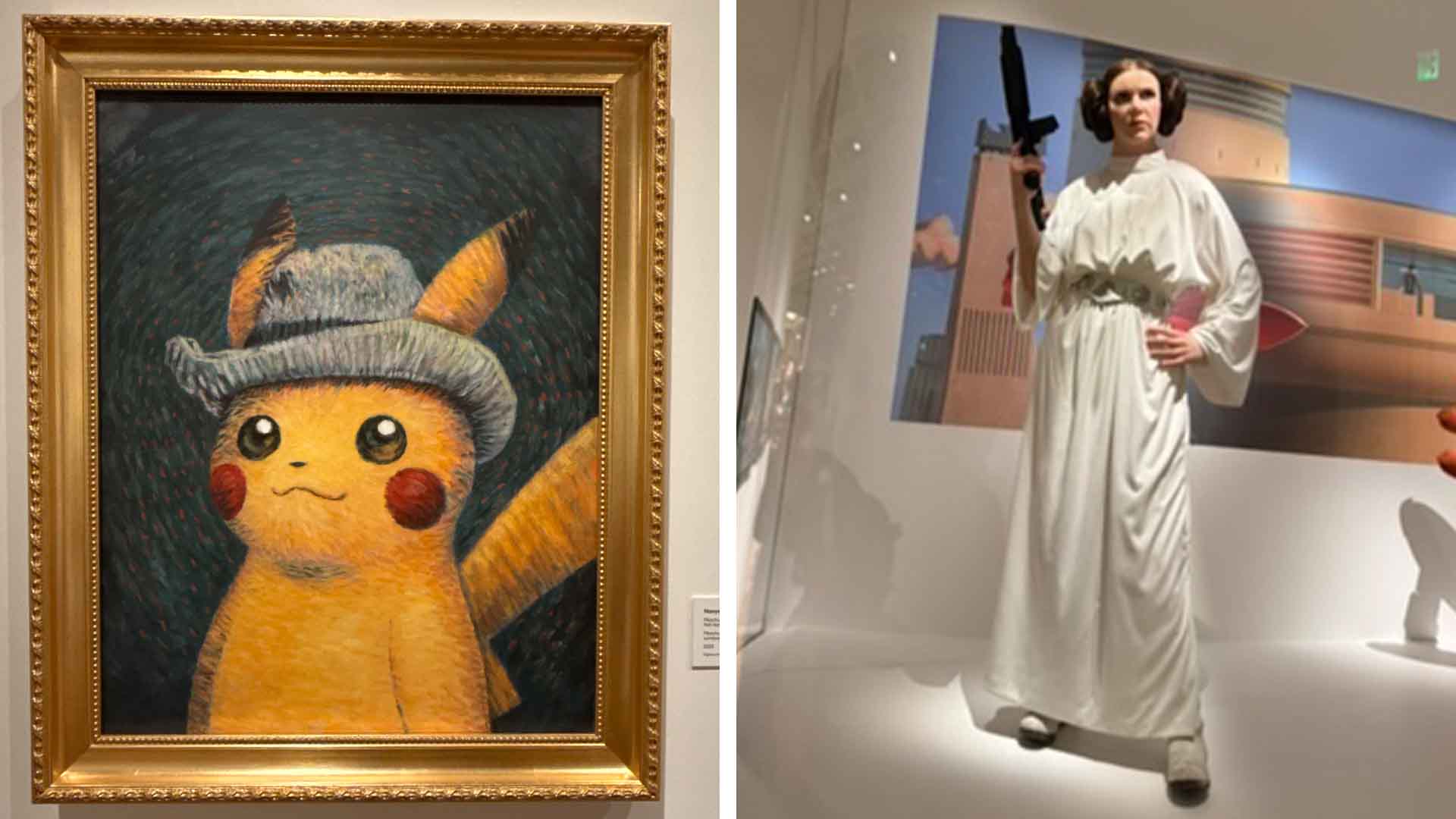
The Manga gallery is a particular highlight, focusing on the seminal works that laid the groundwork for the modern global obsession with Japanese animation and comics. Rather than focusing on current trends, the exhibit looks back at influential properties like Astro Boy and Akira, as well as the tokusatsu tradition represented by Kamen Rider. One of the most talked-about pieces in this section is Naoyo Kimura’s self-portrait of Pikachu wearing a grey felt hat. This piece, which gained international fame during the 2023 Pokémon x Van Gogh collaboration, serves as a perfect bridge between 19th-century Post-Impressionism and 21st-century pop culture, reminding viewers of the time when the card version of the image became a cultural phenomenon of its own.
Predictably, the Star Wars gallery remains the museum’s most popular attraction. While George Lucas was careful not to make the entire museum a monument to his own work, the Star Wars exhibit is an undeniable powerhouse of narrative design. The gallery features a comprehensive look at the visual evolution of the saga, from the pioneering concept art of Ralph McQuarrie—whose paintings defined the "used universe" aesthetic of the original trilogy—to the digital production art of Aaron McBride. McBride’s dramatic depiction of the duel between Anakin Skywalker and Obi-Wan Kenobi on the volcanic planet Mustafar from Revenge of the Sith stands as a testament to the cinematic power of modern production illustration.
Beyond the two-dimensional art, the gallery also showcases the craftsmanship of costume design. The display includes Trisha Biggar’s intricate Darth Vader suit from the prequel era and John Mollo’s classic designs for Princess Leia in The Empire Strikes Back. Another standout is Doug Chiang’s design for Darth Maul on a Sith Speeder from The Phantom Menace. These physical artifacts and paintings illustrate the immense amount of artistic labor required to build a believable fictional world, proving that the artists behind these films are as skilled as any traditional sculptor or painter.
Ultimately, the Lucas Museum of Narrative Art succeeds because it refuses to be a "Star Wars museum." Instead, it uses the fame of its founder to draw audiences into a much larger conversation about the nature of art itself. By showcasing an eclectic mix of artists from different eras and genres, the museum creates a space where a Rembrandt enthusiast and a manga fan can find common ground. Lucas and Hobson have successfully created a venue where the art of the story is the primary focus, ensuring that whether the medium is oil on canvas or ink on newsprint, the narrative remains the star of the show. With its doors now open, the museum stands as a bold statement on the enduring power of visual storytelling in all its forms.