The second floor is where the Lucas Museum truly distinguishes itself. Here, the galleries are organized not by chronology, but by genre and theme, allowing for a more intuitive and engaging exploration of storytelling. Dedicated sections for Fantasy, the Wild West, and Science Fiction allow visitors to gravitate toward their personal interests. Within these broader categories, the museum highlights the work of specific masters of the craft, such as the legendary illustrator N.C. Wyeth and the quintessentially American painter Norman Rockwell. By placing these illustrators alongside more "classical" works, the museum asserts that the ability to capture a narrative moment is a skill that transcends the distinction between commercial and fine art.
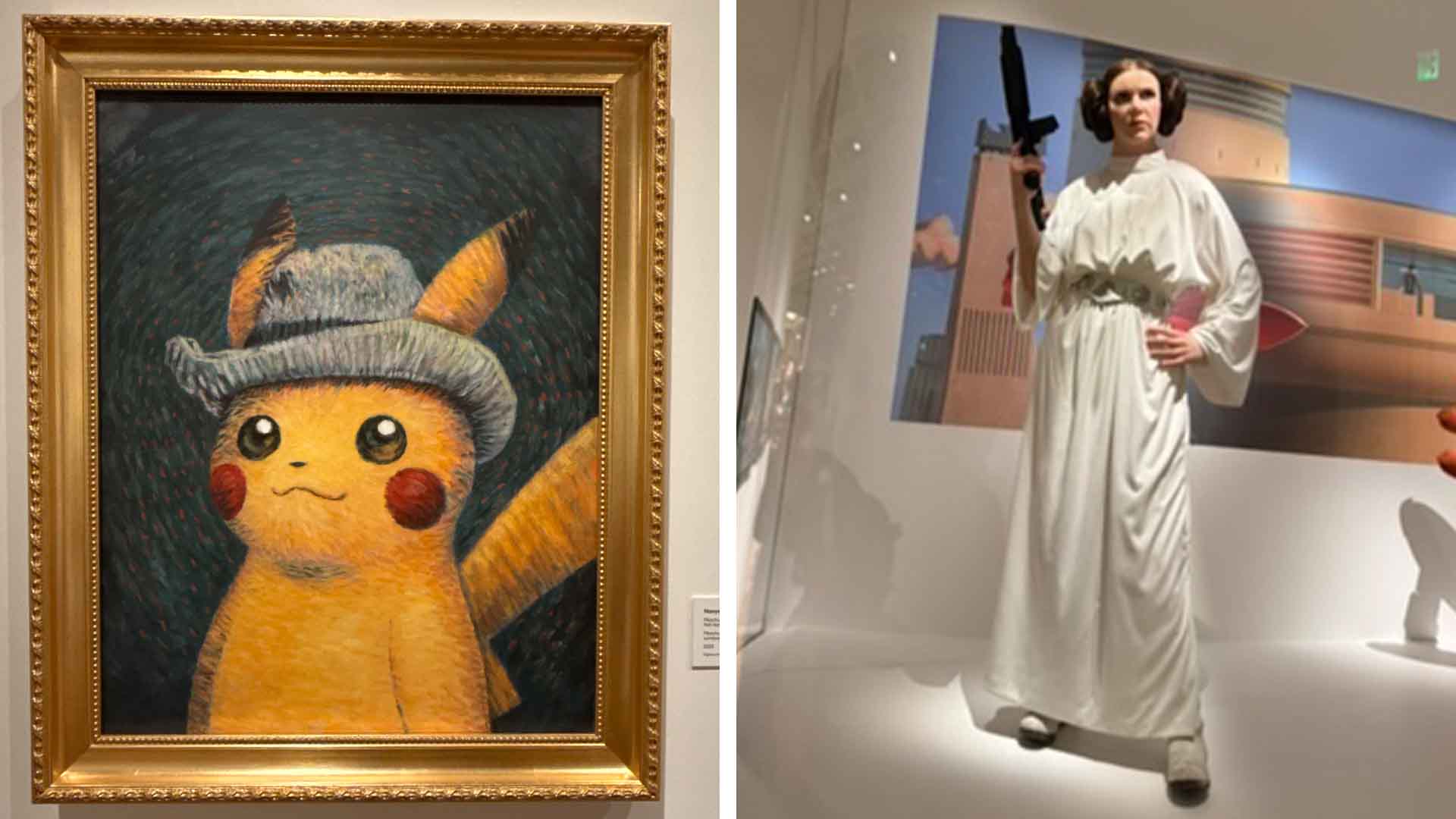
The Manga gallery is a particular highlight, focusing on the seminal works that laid the groundwork for the modern global obsession with Japanese animation and comics. Rather than focusing on current trends, the exhibit looks back at influential properties like Astro Boy and Akira, as well as the tokusatsu tradition represented by Kamen Rider. One of the most talked-about pieces in this section is Naoyo Kimura’s self-portrait of Pikachu wearing a grey felt hat. This piece, which gained international fame during the 2023 Pokémon x Van Gogh collaboration, serves as a perfect bridge between 19th-century Post-Impressionism and 21st-century pop culture, reminding viewers of the time when the card version of the image became a cultural phenomenon of its own.
Predictably, the Star Wars gallery remains the museum’s most popular attraction. While George Lucas was careful not to make the entire museum a monument to his own work, the Star Wars exhibit is an undeniable powerhouse of narrative design. The gallery features a comprehensive look at the visual evolution of the saga, from the pioneering concept art of Ralph McQuarrie—whose paintings defined the "used universe" aesthetic of the original trilogy—to the digital production art of Aaron McBride. McBride’s dramatic depiction of the duel between Anakin Skywalker and Obi-Wan Kenobi on the volcanic planet Mustafar from Revenge of the Sith stands as a testament to the cinematic power of modern production illustration.
Beyond the two-dimensional art, the gallery also showcases the craftsmanship of costume design. The display includes Trisha Biggar’s intricate Darth Vader suit from the prequel era and John Mollo’s classic designs for Princess Leia in The Empire Strikes Back. Another standout is Doug Chiang’s design for Darth Maul on a Sith Speeder from The Phantom Menace. These physical artifacts and paintings illustrate the immense amount of artistic labor required to build a believable fictional world, proving that the artists behind these films are as skilled as any traditional sculptor or painter.
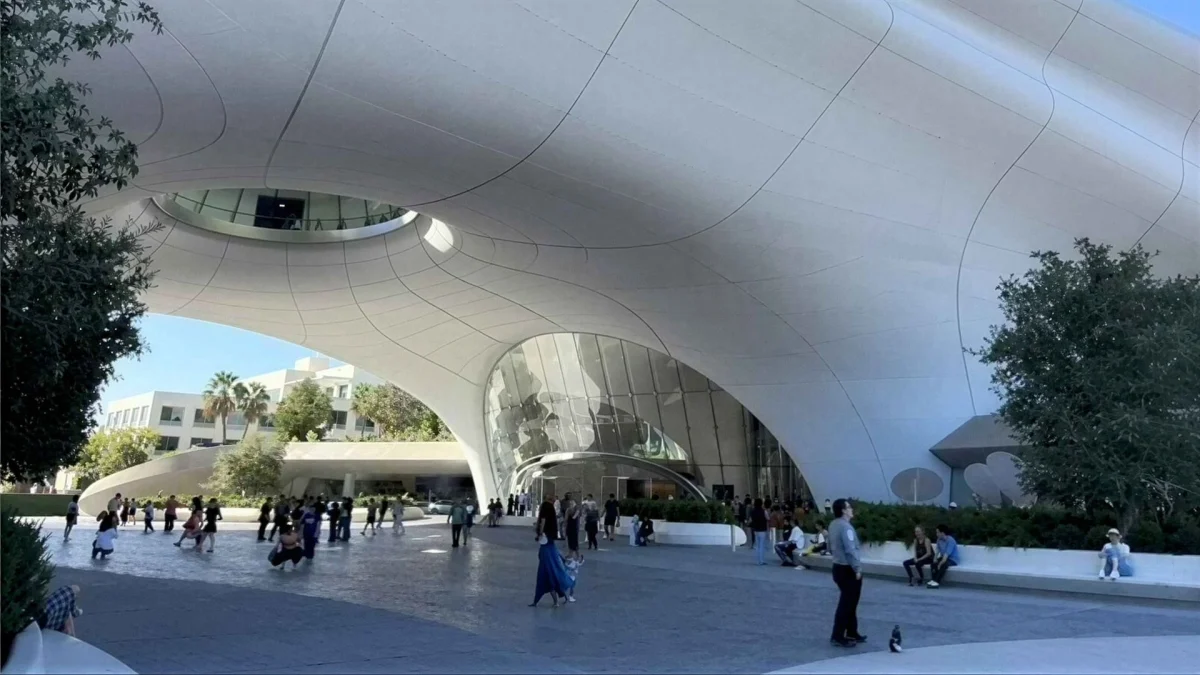
Ultimately, the Lucas Museum of Narrative Art succeeds because it refuses to be a "Star Wars museum." Instead, it uses the fame of its founder to draw audiences into a much larger conversation about the nature of art itself. By showcasing an eclectic mix of artists from different eras and genres, the museum creates a space where a Rembrandt enthusiast and a manga fan can find common ground. Lucas and Hobson have successfully created a venue where the art of the story is the primary focus, ensuring that whether the medium is oil on canvas or ink on newsprint, the narrative remains the star of the show. With its doors now open, the museum stands as a bold statement on the enduring power of visual storytelling in all its forms.