San Sebastián has long held an iron grip on the title of Spain’s undisputed culinary capital. For decades, the Basque seaside city has been the primary pilgrimage site for global gourmands, boasting a higher concentration of Michelin stars per capita than almost anywhere else on the planet. Its compact, picturesque streets are synonymous with award-winning pintxos and avant-garde techniques that have defined modern Spanish cooking. However, while the north continues to collect accolades, a different kind of gastronomic revolution has been quietly simmering at the opposite end of the Iberian Peninsula.
In the sun-drenched south, the city of Cádiz—widely recognized as the oldest continually inhabited settlement in Western Europe—is finally stepping out from the shadows of its more famous Andalusian neighbors, Seville and Granada. Long considered a hidden gem by domestic travelers, the province of Cádiz is home to a food culture that is as ancient as its Phoenician roots and as sophisticated as any Michelin-starred kitchen in the north. This is a region defined by the bounty of the Atlantic, the complexity of world-class sherries, and a culinary tradition that balances high-end experimentation with a deeply rooted, everyday appreciation for local produce.
The global spotlight began to shift toward the province largely due to the efforts of Ángel León. Known internationally as the "chef of the sea," León’s experimental approach to seafood at his restaurant, Aponiente, located in the nearby Puerto de Santa María, fundamentally changed the region’s standing in the culinary world. When Aponiente became the first establishment in Andalusia to earn three Michelin stars, it proved that the province’s maritime resources could support the highest levels of fine dining. Yet, as impressive as León’s bioluminescent broths and plankton-based dishes are, they represent only one facet of a much broader and more accessible food culture that permeates the entire region.
The province’s culinary identity is anchored by the "Sherry Triangle," formed by the cities of Jerez de la Frontera, Sanlúcar de Barrameda, and El Puerto de Santa María. Jerez, recently voted Spain’s capital of Gastronomy, is a city where history is bottled. Its labyrinthine bodegas and lively tabancos—traditional bars that serve sherry directly from the cask—offer a hearty tapas scene that remains remarkably affordable. Just a short drive away, on the banks of the Guadalquivir River, Sanlúcar de Barrameda serves as the exclusive home of Manzanilla, an exceptionally dry sherry aged under a layer of yeast known as "flor," which thrives in the town’s humid, salty air. Here, the local diet is a masterclass in regional pairing, featuring prized langoustines and "guisos"—slow-cooked Andalusian stews that have sustained generations of fishermen.
Further south along the "Coast of Light," the town of Barbate remains the epicenter of the world’s bluefin tuna industry. The tuna caught here is so highly regarded for its fat content and flavor that approximately 70 percent of the catch is exported directly to Japan. This success is built upon the "almadraba," a complex and sustainable fishing technique involving a maze of nets that dates back more than 3,000 years to the Phoenicians. It is this marriage of ancient tradition and modern global demand that defines the Cadiz food scene.
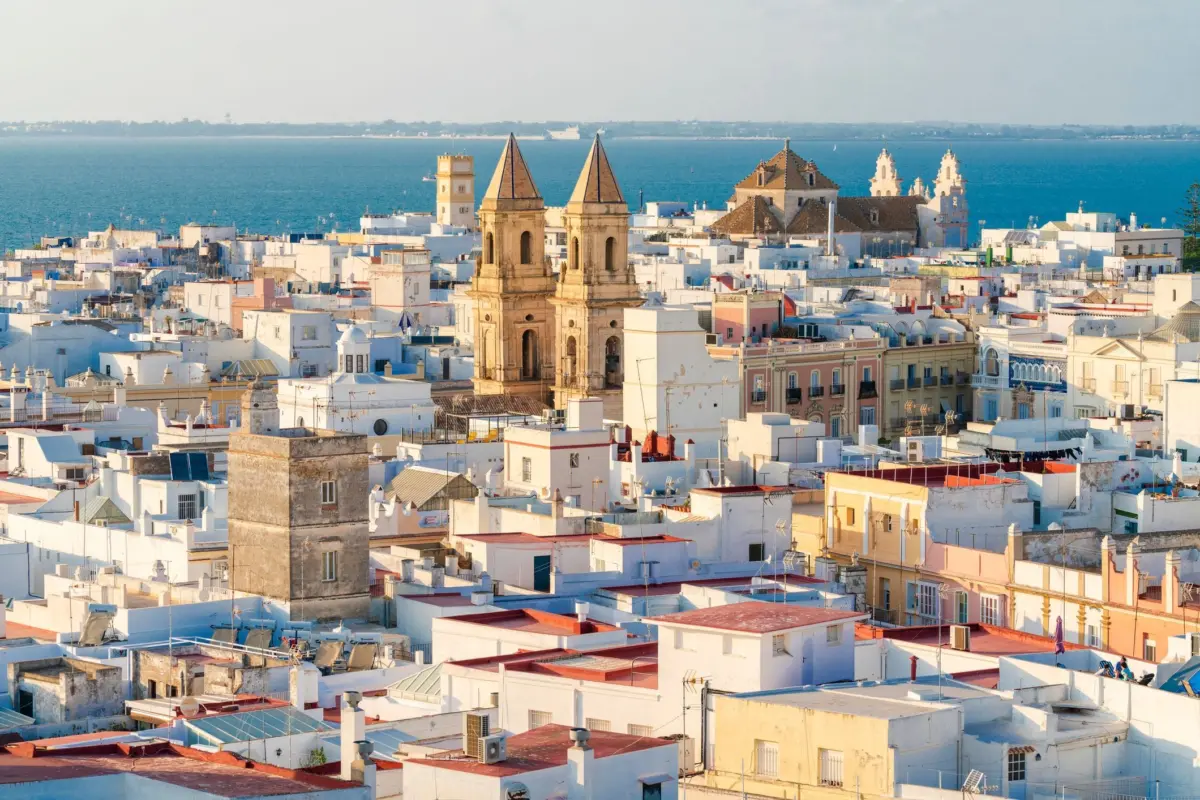
Despite the riches of the surrounding province, it is the city of Cádiz itself—founded as Gadir around 1200 B.C.—that serves as the beating heart of this culinary brilliance. The old town sits on a unique, island-like inlet, connected to the Spanish mainland only by a narrow sandy peninsula. Its architecture, a collection of pastel-colored buildings weathered and romantically decayed by the salt-heavy Atlantic air, has earned it the moniker "Spain’s little Havana." This is a city that demands to be walked; its historic center is a dense maze of narrow cobbled streets, Roman ruins, and hidden plazas, all leading eventually to La Caleta, a golden horseshoe-shaped beach framed by ancient fortifications.
In a city lashed by the wild Atlantic, the focus is naturally on the sea. The Mercado de Abastos, one of Spain’s oldest fresh food markets, has been the center of daily life in Cádiz since 1838. Within its historic walls, the atmosphere is a chaotic symphony of commerce. Veteran "gaditanos"—the local residents known across Spain for their quick wit and warm hospitality—haggle over the price of shellfish while fishmongers display everything from shimmering sardines to massive cuts of Almadraba tuna. Above the stalls, seagulls the size of pugs circle the rafters, watching for any stray offcuts.
For the modern food lover, the market has evolved beyond a simple place to buy groceries. It has become a destination for "tapeo" in its own right. At Gadisushi, an unassuming stall within the market, diners can find some of the best toro sashimi, prawn gyoza, and scallops with miso butter in the city. The market also showcases the inland riches of the province, including the celebrated Payoyo cheese from the Sierra de Cádiz and high-quality olive oils. A local secret involves purchasing fresh fish from a vendor like Marisco Camilo and taking it to the nearby Bar Carrusel. For a small cover charge, the bar will fry the fish to perfection on the spot, provided you order a few "cañas" (small beers) or glasses of sherry to accompany the meal.

The primary neighborhood for those seeking the soul of Cádiz’s food scene is La Viña. This palm-tree-lined barrio is a dense thicket of bars and restaurants, none more famous than Casa Manteca. Founded in 1953, this tavern is a living museum of Spanish culture. Its walls are a collage of yellowing bullfighting posters and flamenco memorabilia, and its shelves are lined with dusty, decades-old sherry bottles. Casa Manteca gained international fame after being featured by Rick Stein, but it remains a local favorite. The tradition here is simple but perfection: a sheet of wax paper topped with "chicharrones" (slow-roasted pork belly seasoned with lemon) paired with a glass of chilled Fino or a complex Palo Cortado.
Beyond the taverns, Cádiz is famous for its "freidurías"—traditional fried fish shops that function much like a high-end British chippy. These establishments, such as the venerable Freiduría Las Flores, serve cut-price seafood wrapped in paper cones. The battered cuttlefish, known locally as "chocos," is a staple of the Cádiz diet, offering a crispy, salty snack that is best enjoyed while sitting on a stone wall overlooking the ocean.
The Best Restaurants in Cádiz
El Faro
Located on the western edge of the La Viña neighborhood, El Faro is more than just a restaurant; it is a legendary institution that has transitioned from a humble tavern to a temple of seafood. The establishment offers two distinct experiences: a bustling marble-topped bar where patrons stand for quick-fire tapas, and a more formal, rustic dining room adorned with traditional "azulejos" tiles and white tablecloths. The menu is an encyclopedia of local maritime flavors, but the one non-negotiable order is the "tortilla de camarones." These lacy, ultra-crispy fritters are made with chickpea flour and tiny, sweet local shrimp, representing the pinnacle of Cádiz’s deep-frying tradition.
Address: Calle San Félix, 15, 11002 Cádiz, Spain
Código De Barra
While Cádiz is steeped in tradition, it is not beholden to it. In 2023, the city received its first Michelin star thanks to the work of Dutch chef León Griffioen and his wife, maître d’ Paqui Márquez. Their restaurant, Código de Barra, located in the heart of the old town, offers a "laid-back fine dining" experience. Griffioen uses his outsider’s perspective to reinterpret the flavors of the region, focusing on prime local ingredients such as Retinto beef (a heritage breed from the local coast) and, of course, Almadraba tuna. The tasting menus are designed as a culinary journey through the history of Cádiz, with each dish presented with artistic precision.
Address: C. San Francisco, 7, 11004 Cádiz, Spain
Taberna La Manzanilla
For those who want to understand the soul of Andalusian wine, Taberna La Manzanilla is an essential stop. Founded in 1932 and remaining in the same family for generations, this cavernous bar is a shrine to sherry. The air inside is thick with the scent of oak and fermenting grapes, emanating from the 100-year-old wooden casks that line the walls. There is no kitchen here; the bar serves only wine and a few simple accompaniments like olives and high-quality jamón. The bartenders still use chalk to tally tabs directly on the dark wood of the bar top, maintaining a rhythm of service that has remained unchanged for nearly a century.
Address: C. Feduchy, 19, 11005 Cádiz, Spain
Local Favorites and Hidden Gems
Taberna Casa Manteca
An icon of the Barrio de la Viña, Taberna Casa Manteca is perhaps the most emblematic culinary corner in the city. Since its founding in 1953, it has maintained a vibrant atmosphere dedicated to the twin pillars of Andalusian culture: bullfighting and flamenco. The food is served with zero pretension, often presented on brown butcher paper. Visitors should look for the "Chicharrones Especiales," which are slow-roasted, thinly sliced, and served cold with a dash of salt and a squeeze of lemon, and the "Tortillitas de Camarón," which are prized for their delicate, lace-like texture.
Address: C. Corralón de los Carros, 66, 11002 Cádiz
Casa Rafael
Situated in the historic center, Casa Rafael is the epitome of the authentic "tapeo" experience. It is a favorite among locals for its high-energy atmosphere and its commitment to fresh seafood sourced directly from the Bay of Cádiz. The restaurant is known for its "raciones" (larger sharing plates) and a wine list that highlights the best of the province at very competitive prices. It is the kind of place where the quality of the ingredients—from the simplest grilled sardine to the most complex seafood stew—speaks for itself.
Address: C. Periodista Emilio López, 7
Heladería La Cremeria Gelato Italiano
The culinary excellence of Cádiz even extends to dessert. Master gelato maker Carlo Guerriero, originally from Venice, has turned La Cremeria into a global destination for ice cream lovers. Guerriero, who has a background in chemical engineering, uses scientific precision to balance his recipes, a skill that earned him the top spot in the Gelato Festival World Ranking for 2024. His flavors are a bridge between his Italian heritage and his adopted home, using local Conil milk and Payoyo cheese alongside Bronte pistachios. His signature creation, "Sherrymisú," replaces the traditional coffee and Marsala of a tiramisu with local Jerez wine, creating a dessert that is uniquely Gaditano.
Address: Av. Periodista Beatriz Cienfuegos, 6