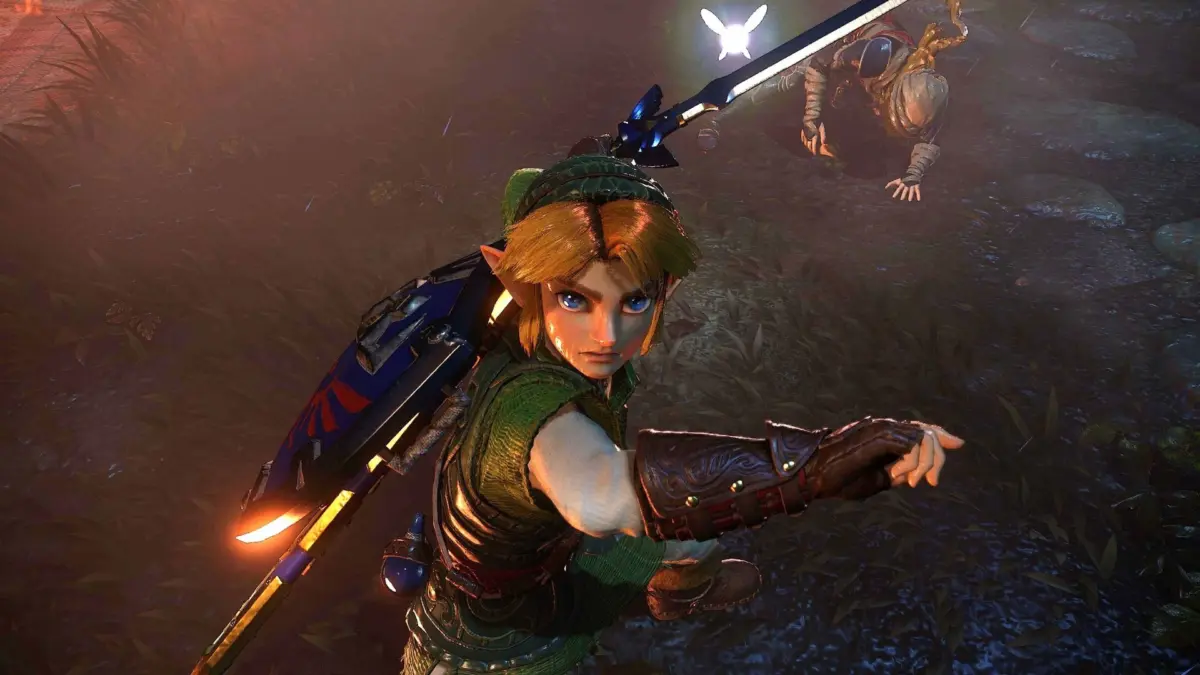
When Nintendo first pulled back the curtain on its ambitious remake of The Legend of Zelda: Ocarina of Time for the upcoming Switch 2, the gaming community was immediately and sharply divided. For many, the 1998 original is not merely a game but a sacred text of interactive design, and any attempt to alter its aesthetic—particularly the facial modeling of Link—was met with intense scrutiny. However, as the first hands-on previews from major gaming outlets emerge, the narrative is beginning to shift from one of skepticism to one of genuine anticipation.
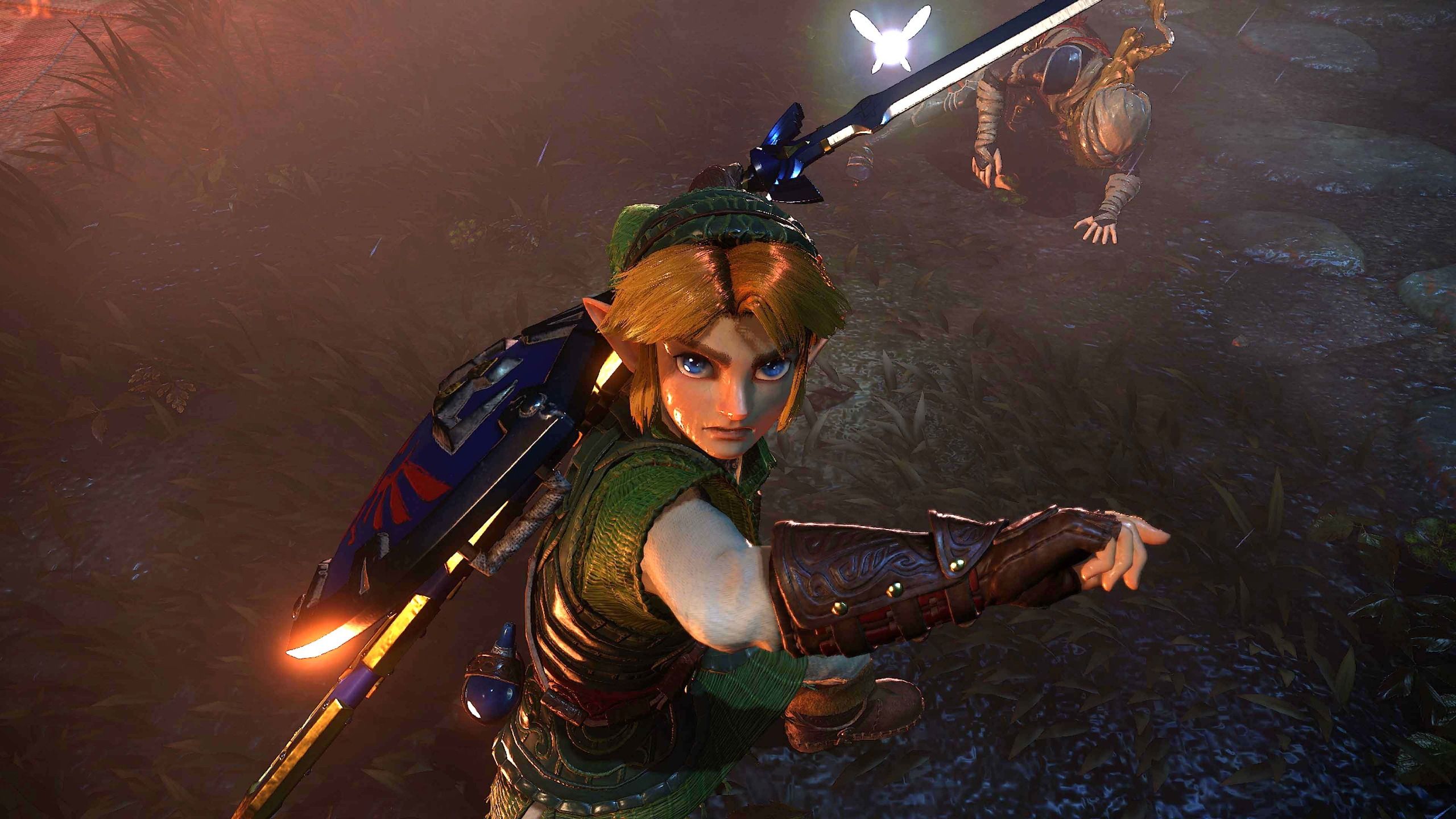
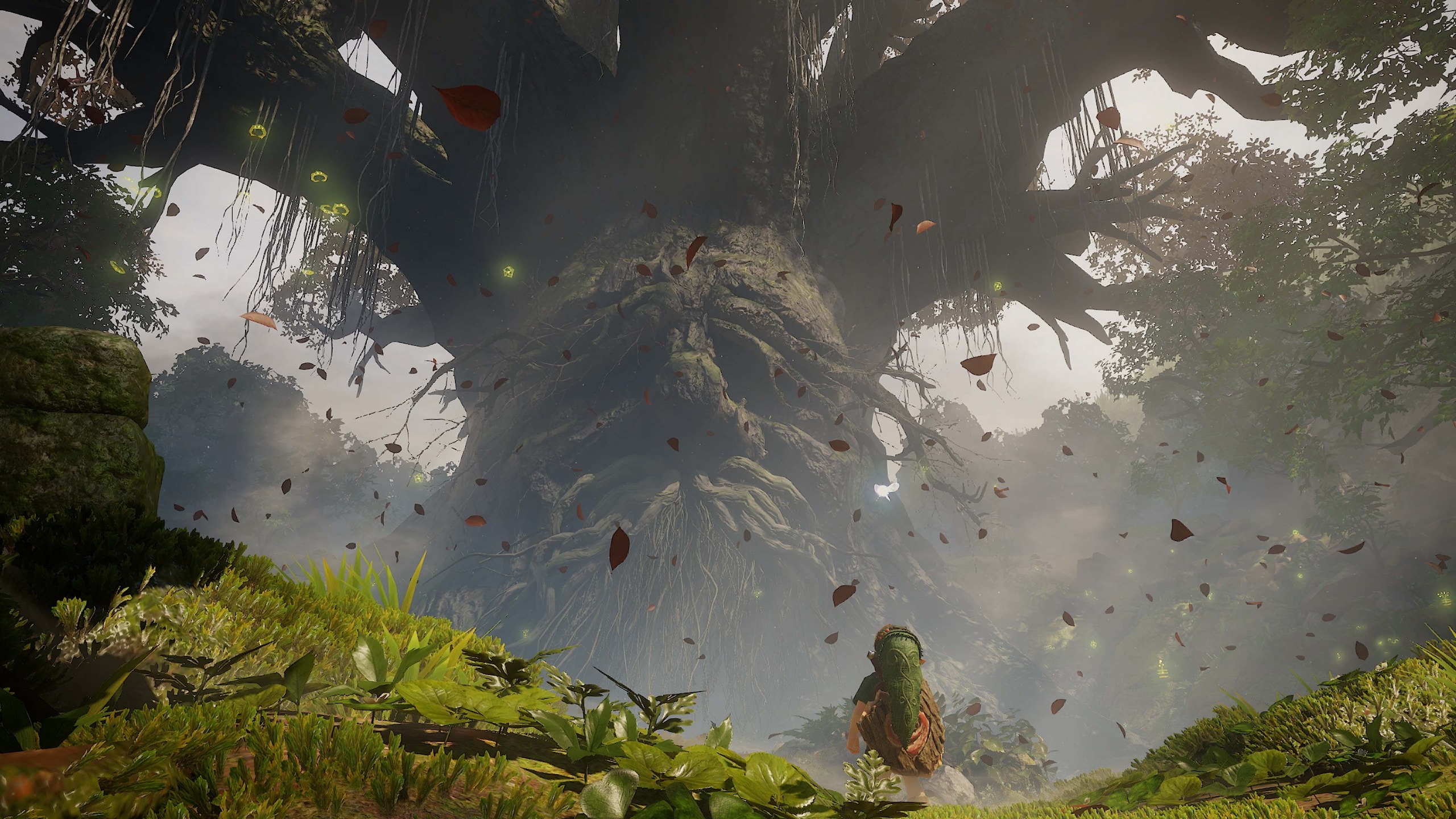
Journalists recently spent several hours exploring the reimagined Hyrule, traversing iconic locales such as Kokiri Forest, the Great Deku Tree, Castle Town, and the atmospheric Forest Temple. The consensus among those who have held the controller is that this project represents far more than a simple high-definition remaster. Nintendo appears to be performing a delicate balancing act: rebuilding the game from the ground up to meet modern technical standards while meticulously preserving the "soul" of the N64 masterpiece.
01. A Visual Overhaul That Defies Initial Skepticism
The primary point of contention following the game’s reveal was its art direction. Early screenshots led some to fear that the remake had lost the grit or specific artistic intent of the original. However, hands-on reports suggest that the game looks significantly better in motion than it did in its initial marketing materials. The new Hyrule retains the familiar silhouettes and vibrant color palettes of the 1990s, but it fills those spaces with a level of environmental density previously impossible.
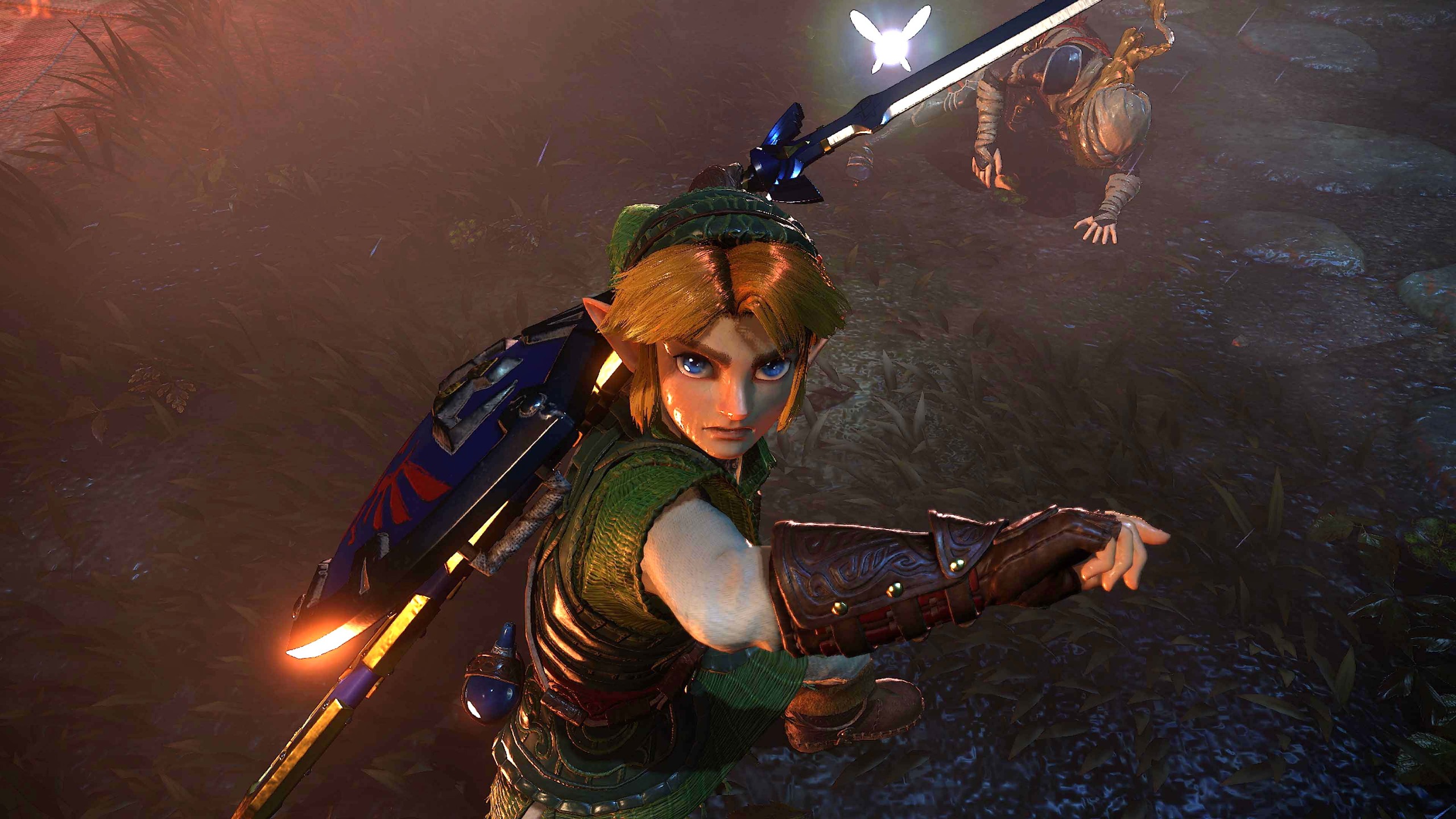
Gavin Lane of Nintendo Life noted the staggering level of detail present in the smallest assets. From the tangible grain in the wooden architecture of Kokiri Forest to the individual stitches visible on Link’s iconic green tunic, the world feels lived-in rather than sterile. GamesRadar+ echoed these sentiments, suggesting that the "softer, warmer" art direction creates a cohesive atmosphere that feels like a natural evolution of the original’s intent.
Lighting, in particular, has seen a transformative upgrade. In the Forest Temple, pools of sunlight filter through high windows, casting deep shadows that dance against the walls as mist drifts through the corridors. While some previews noted minor technical hurdles, such as occasional shimmering on hair and foliage textures, the general feeling is that the visual fidelity finally does justice to the memories fans have held for over two decades.
02. Rebuilding a Masterpiece: Remake vs. Remaster
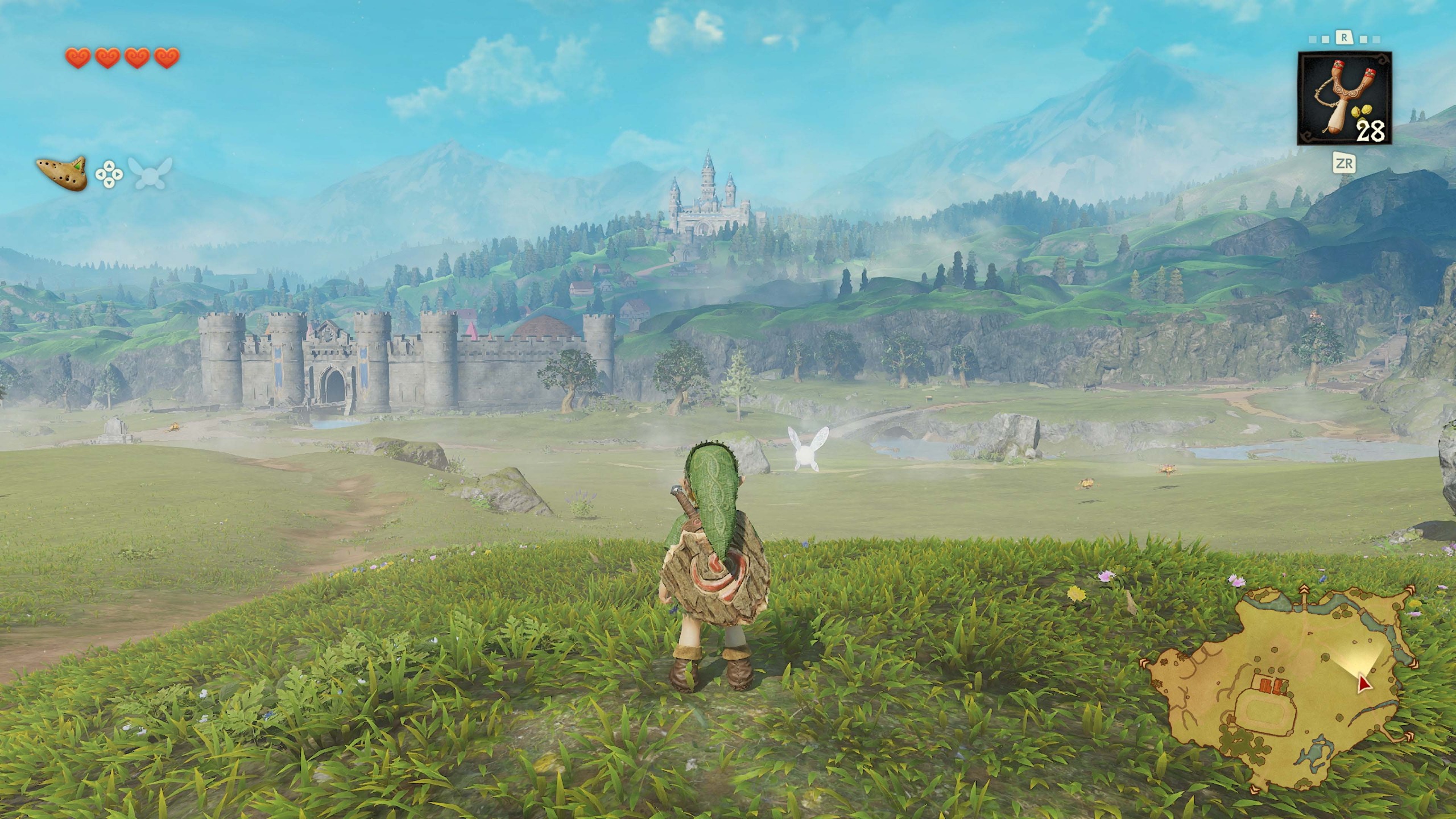
A recurring theme in early previews is the distinction between a remaster and a "proper" remake. While Nintendo could have taken the path of least resistance by upscaling the 2011 3DS version, they have instead opted for a total reconstruction. The geometry of the world has been updated, the camera systems have been modernized, and the connectivity between zones has been rethinked.
Chris Scullion of VGC observed that while the broad layout of the world remains identical—veterans will find the Kokiri Sword exactly where they remember it—the "clunkiness" that defined early 3D gaming has been polished away. The game does not attempt to mimic the "Open Air" philosophy of Breath of the Wild or Tears of the Kingdom. Instead, it doubles down on the structured, dungeon-centric progression of the classic Zelda formula, albeit with the friction points removed.
03. The Evolution of Movement: Link Finally Jumps
Perhaps the most significant mechanical change is the addition of a dedicated jump button. In the original Ocarina of Time, Link’s jumping was contextual; he would automatically hop off a ledge if the player ran toward it. While revolutionary in 1998, this system could be imprecise during complex platforming or combat.