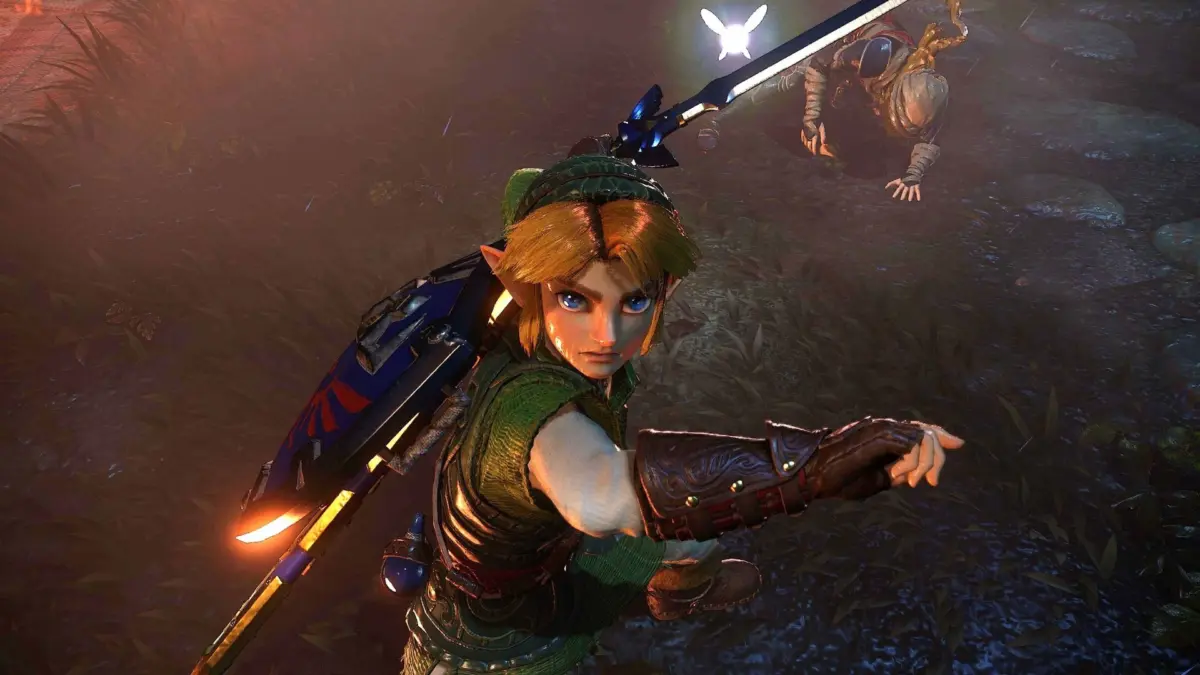
Early reactions on platforms like Reddit suggest that this change remains a sticking point for the community. Some players feel the voices bring the game in line with modern standards, while others argue that the specific English dubs feel "cartoonish" or "anime-like," clashing with the somber atmosphere they associated with the original. It is important to note that the game is not "fully voiced" in the style of a modern RPG; the vast majority of NPC interactions still rely on text boxes, with voice work reserved for pivotal cinematic moments.
08. Leaning Into the Eerie: The Forest Temple
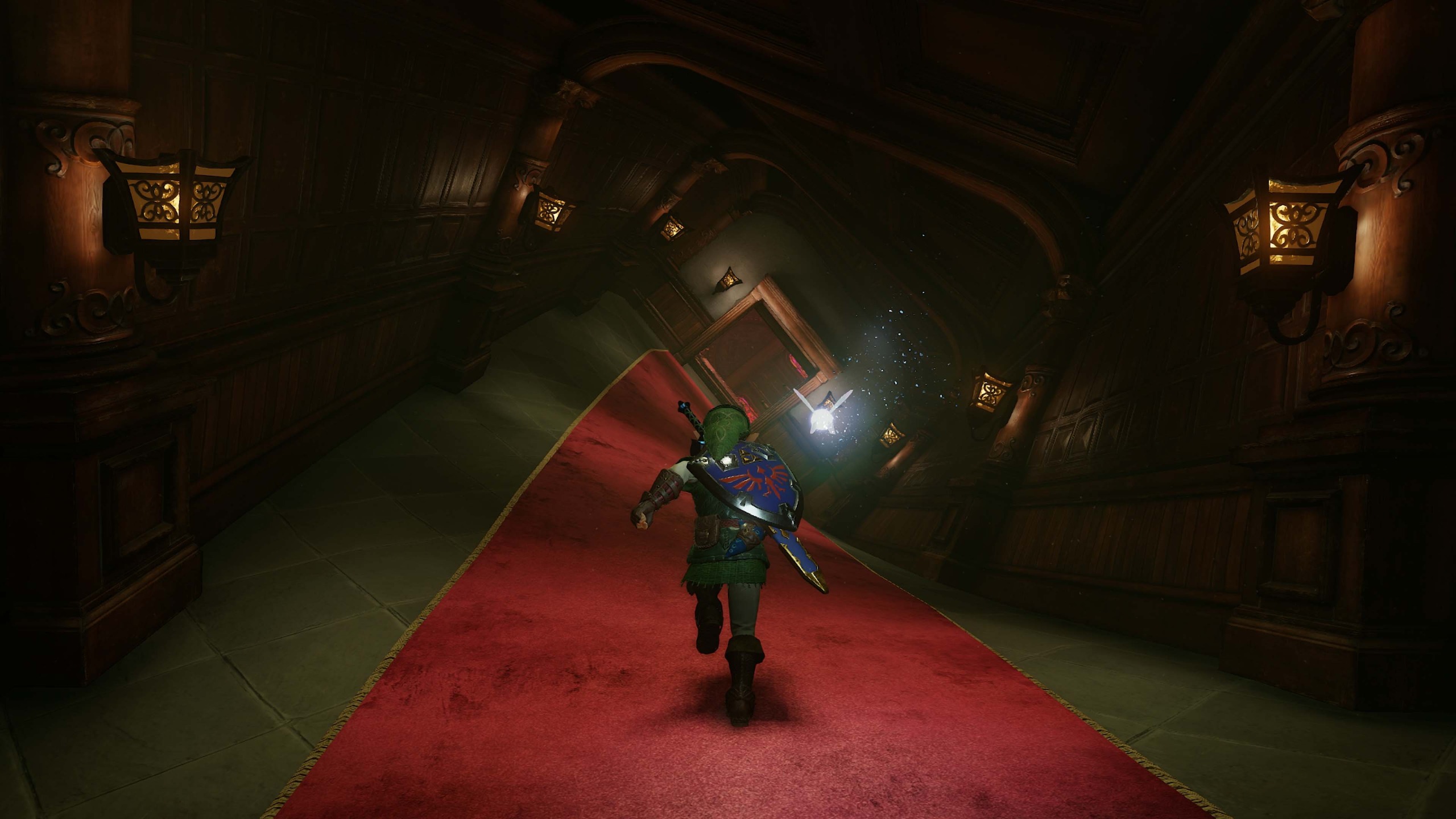
The Forest Temple has long been regarded as one of the most atmospheric levels in the Zelda franchise, and the remake leans heavily into its haunting reputation. Previews describe the temple as "properly creepy," utilizing the Switch 2’s lighting capabilities to create a sense of dread. The dark wooden corridors, stained-glass windows, and shafts of light create a high-contrast environment that emphasizes the temple’s ghostly nature.
However, this increased detail can be a double-edged sword. Kotaku reported on a previewer who missed a vital key chest because the room was so visually dense and "busy" that the interactable object blended into the ornate environment. It suggests that while the game is more beautiful, players may need to adjust their eyes to a world that is far more cluttered than the stark, low-polygon environments of the N64.
09. A Faithful Core: Puzzles and Pacing
Despite the technical bells and whistles, the core progression of the game remains untouched. The dungeon layouts, puzzle solutions, and the order of operations for completing the quest are identical to the 1998 version. This is a game built on keys, locked doors, and the slow unraveling of a complex map—a stark contrast to the "do anything, go anywhere" freedom of recent entries.
Whether this traditional pacing will resonate with a younger generation of players who started their journey with Tears of the Kingdom remains to be seen. However, for the veteran fan base, this faithfulness is the ultimate reassurance. The remake isn’t trying to fix what wasn’t broken; it is simply trying to present it in the best possible light.
10. The Path to Launch: November 2026
As the preview cycle continues, the overall sentiment toward the Ocarina of Time remake is warming. While the voice acting and the manual jump button will likely remain topics of debate until launch, the sheer technical craft on display has silenced many of the project’s harshest critics. Nintendo appears to be treating this remake with the reverence it deserves, positioning it as a flagship title for the Switch 2 that bridges the gap between gaming’s past and its future.
With a release date set for November 5, 2026, there is still plenty of time for Nintendo to polish the experience and address the minor technical hitches noted by journalists. For now, the "Hero of Time" seems poised for a triumphant return that is as much about honoring a legacy as it is about showcasing a new generation of hardware.