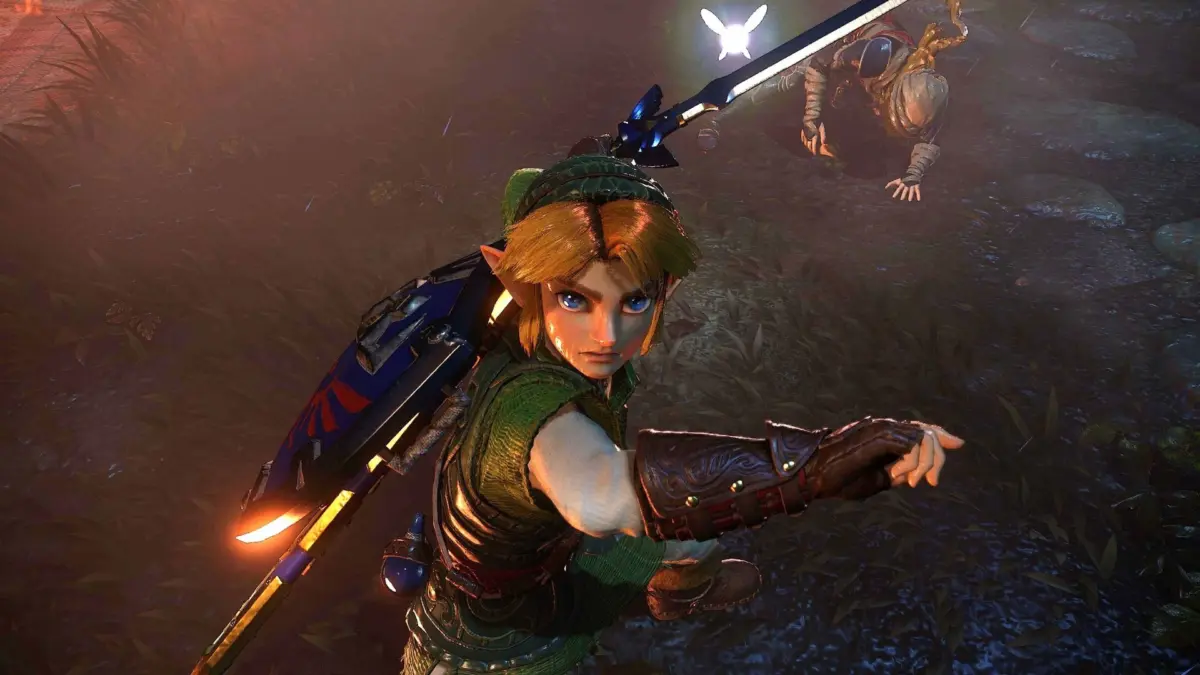
The remake grants players full control over Link’s verticality. However, previews suggest this change comes with a learning curve for long-time fans. Decades of muscle memory have trained players to rely on the auto-jump, and retraining one’s thumbs to manually leap mid-combat or during a puzzle can be jarring. Despite this new freedom, Link remains grounded in the "Ocarina" style of exploration—he won’t be scaling mountains or paragliding across the map, as the game’s boundaries remain defined by the original’s level design.
04. Fluid Combat and the 60fps Revolution
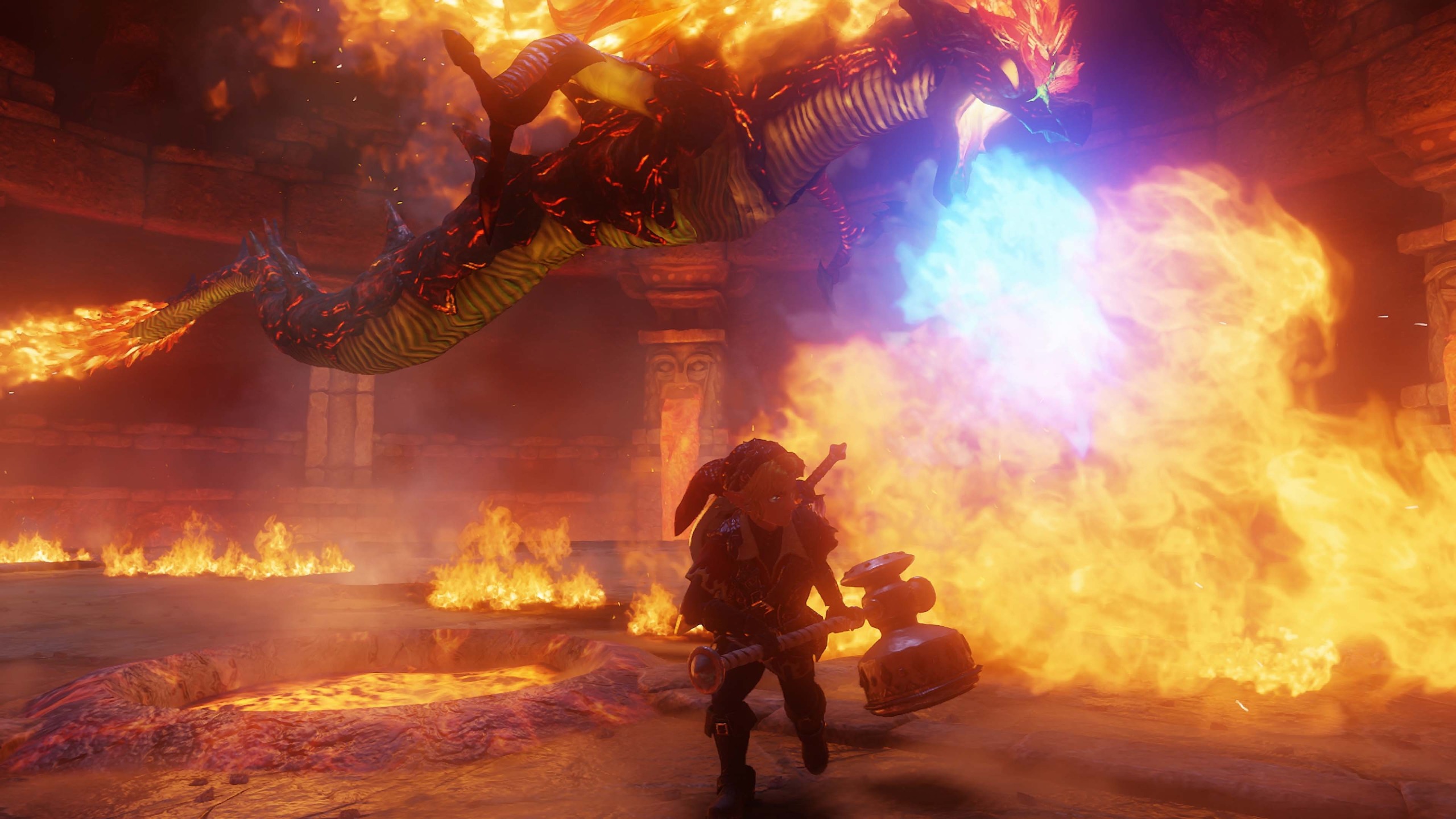
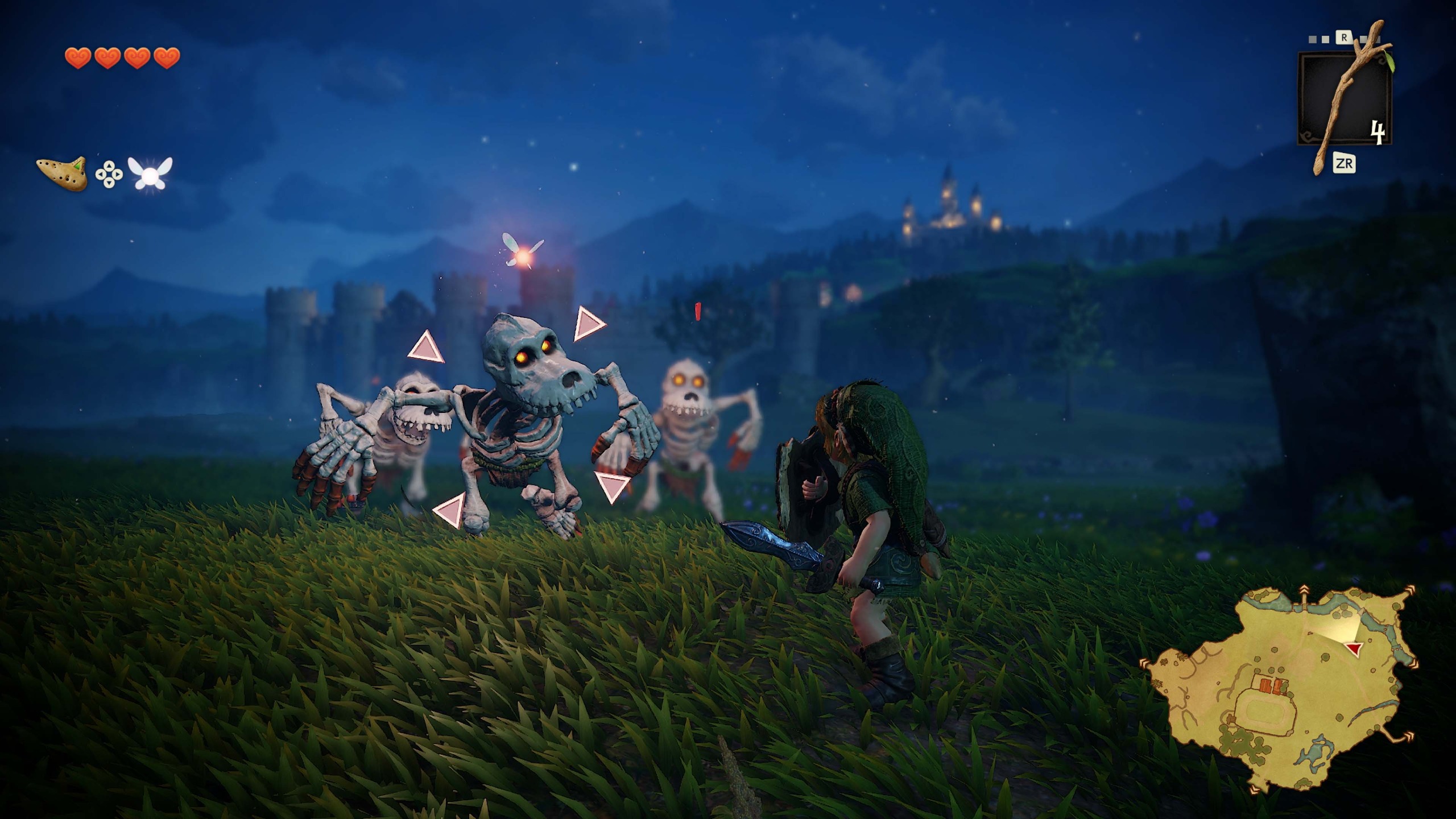
Combat in Ocarina of Time was defined by the invention of Z-targeting, a system that remains the backbone of the remake. The rhythmic "wait-and-strike" flow of battle against Stalfos or Lizalfos is intact, ensuring that the game doesn’t feel like a frantic hack-and-slash.
However, the leap to 60 frames per second (fps) has fundamentally altered the feel of these encounters. The N64 original famously ran at a mere 20fps, which, while cinematic at the time, resulted in a heavy, sluggish input response by modern standards. At 60fps, dodging and parrying feel instantaneous and crisp. This fluidity also impacts the jump attack; because jumping is now a manual action, players must jump and then swing, rather than triggering a single pre-animated move. It is a subtle shift that makes the combat feel more active and less automated.
05. Modern Conveniences and HUD Customization
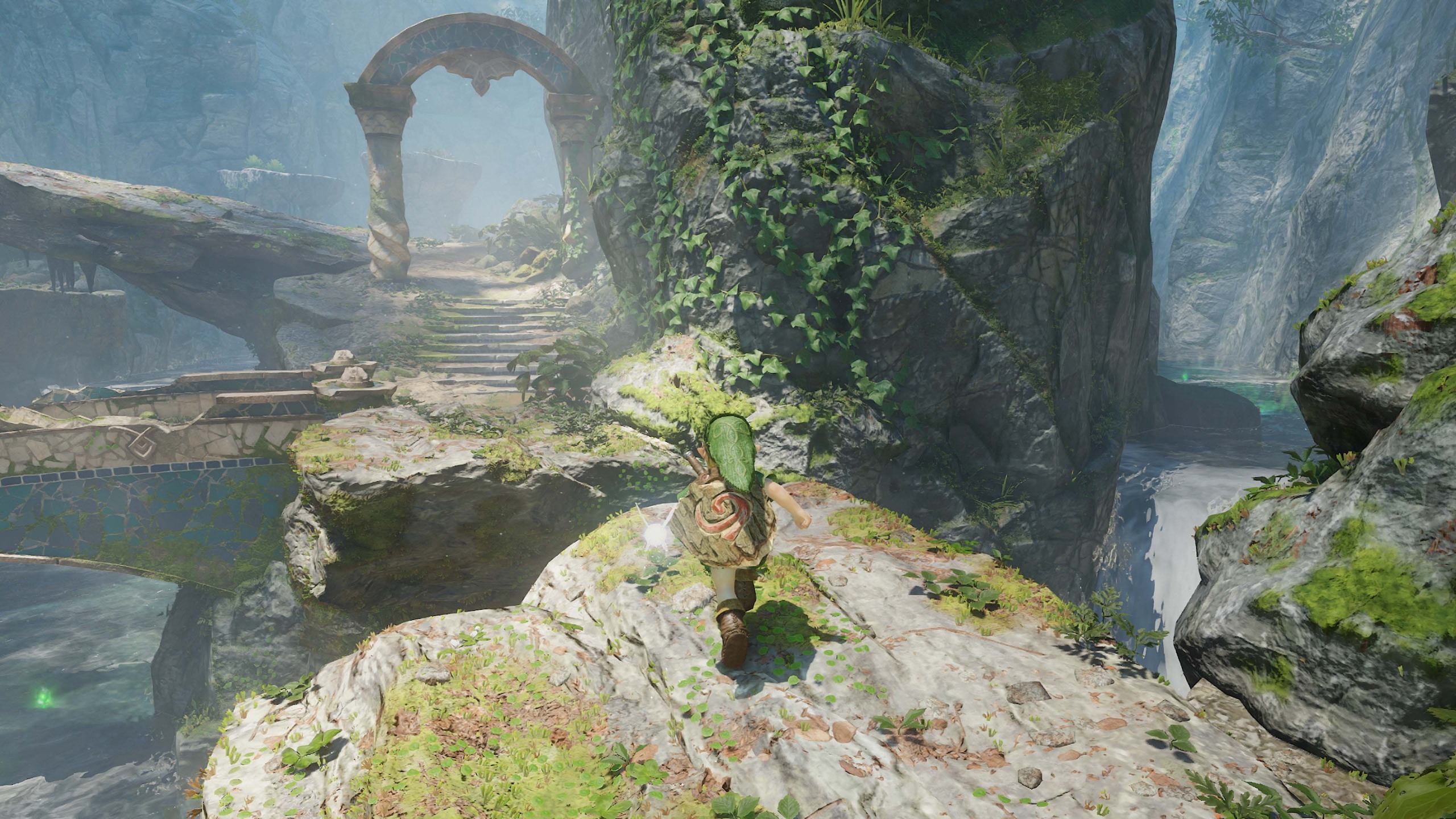
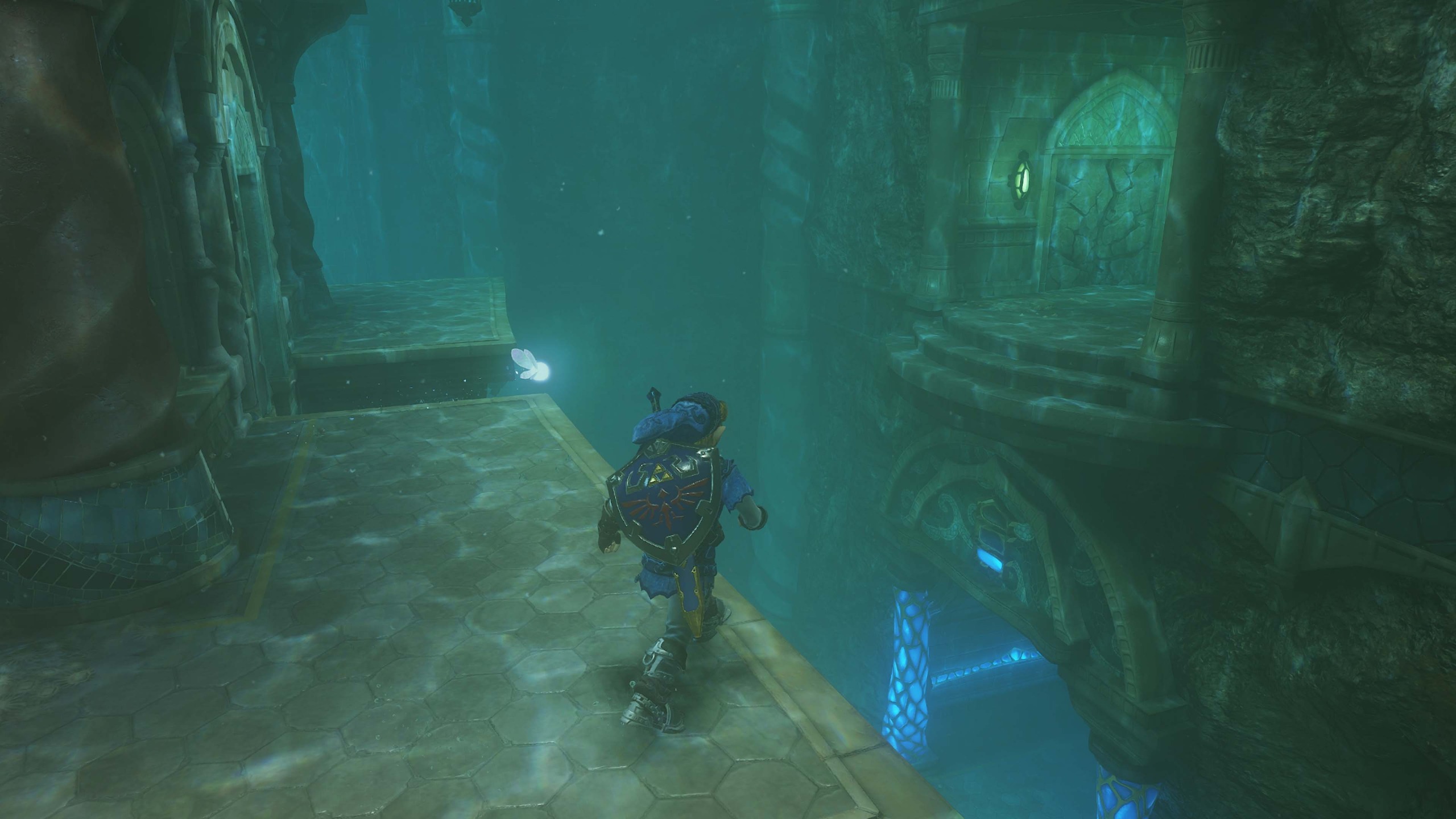
One of the most praised aspects of the previews is the modernization of the user interface. The "Water Temple" has become a shorthand for tedious menu management in gaming history, primarily due to the constant need to pause and equip the Iron Boots. The remake addresses this legacy directly by allowing players to switch equipment and items via quick-access menus without interrupting the flow of gameplay.
The map system has also been overhauled, featuring an on-screen display that makes navigating complex multi-floor dungeons far more intuitive. Furthermore, Nintendo has included several HUD options to cater to different playstyles. Purists can opt for a completely "Pro" HUD that removes all on-screen icons for a cinematic experience, while others can keep the modern conveniences at the forefront.
06. A Living, Breathing Castle Town
While the dungeons are the heart of the game, Castle Town has arguably received the most substantial "quality of life" upgrade. In the 1998 version, the market was a series of static, pre-rendered backgrounds with fixed camera angles. In the Switch 2 remake, the town is a fully realized 3D space. The market, back alleys, and shops are now seamlessly connected, allowing players to rotate the camera freely as they explore.
The town also feels significantly more populated. NPCs are more detailed and possess a wider range of animations. Rather than standing still and waiting for Link to initiate a conversation, characters will now call out to him as he passes or engage in their own ambient dialogues. GamesRadar+ highlighted a humorous addition: the famously bearded man in the market now uses his facial hair as a literal "tracking device" to point Link toward specific objectives, a touch of Nintendo’s signature whimsical charm.
07. The Controversy of Voiced Cutscenes
The most divisive element revealed in the previews is the introduction of voice acting. For the first time in an Ocarina title, key cutscenes feature voiced dialogue for characters like Navi, the Great Deku Tree, and Ganondorf. Following the tradition of modern Zelda titles, Link remains a silent protagonist, communicating only through grunts and shouts.