
The arrival of a new processor architecture is a rare and significant milestone in the technology industry, often signaling a shift in how we conceive of portable computing. With the release of the ASUS ProArt P14, we are witnessing the debut of the NVIDIA RTX Spark platform—a bold marriage of high-performance Arm-based silicon and cutting-edge graphics. While this review focuses specifically on the ProArt P14 hardware, it is impossible to separate the machine from the platform it introduces. The RTX Spark combines NVIDIA’s Grace CPU architecture with its Blackwell-generation GPUs, aiming to solve a long-standing grievance among creative professionals: the lack of high-end, discrete graphical power paired with the efficiency of Arm-based processing.
For years, creative users have watched the evolution of Arm-based chips, such as the Snapdragon series, with a mixture of admiration and frustration. While those chips offered exceptional battery life and efficiency, they were rarely paired with the kind of heavy-duty GPUs required to make demanding creative applications truly sing. The RTX Spark appears to be the industry’s definitive answer to those prayers. However, NVIDIA’s primary target with this system is not necessarily the traditional video editor or the hardcore gamer, but rather the burgeoning field of AI development and the local execution of AI agents. This strategic pivot has the fortunate side effect of creating a machine that is remarkably potent for creative work, even if the software ecosystem is still racing to catch up with the hardware.
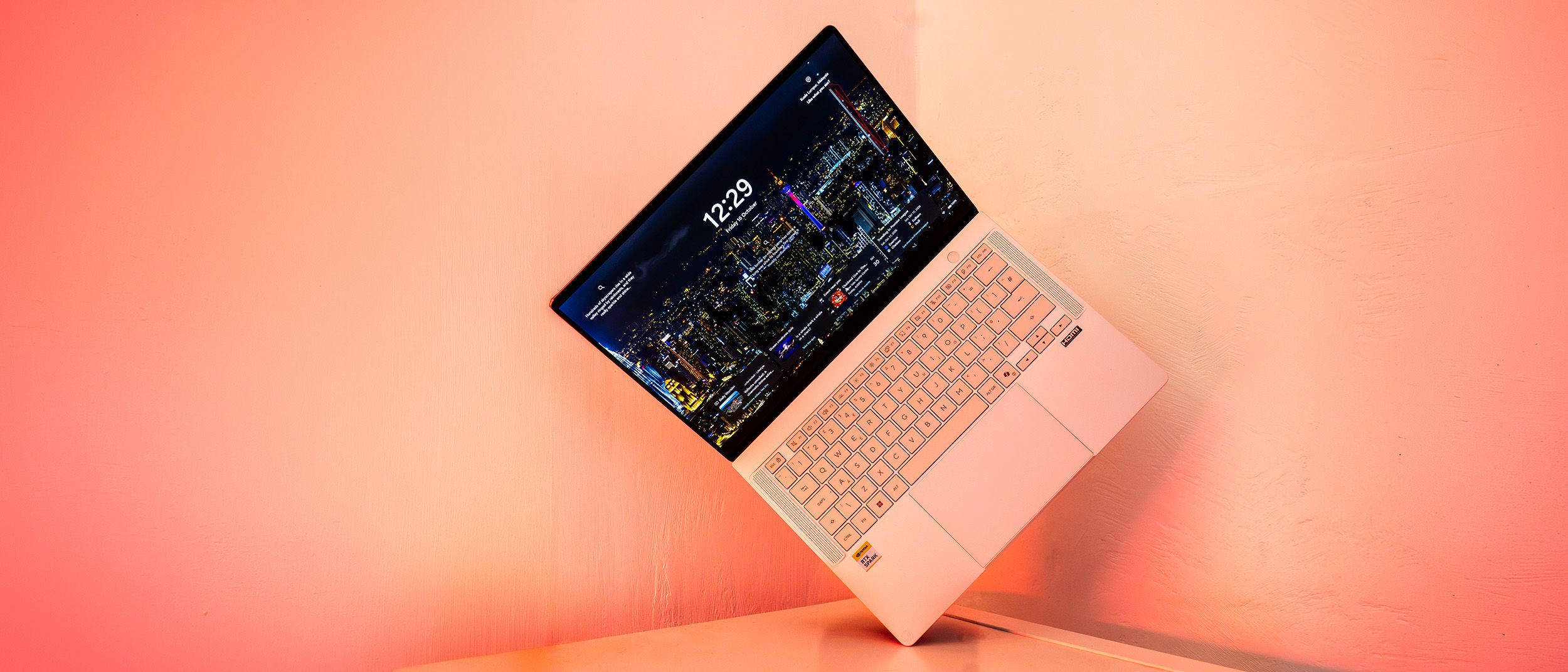
Design, Build Quality, and the Mobile Professional
The ASUS ProArt P14 is the more compact sibling to the larger P16, and its design reflects a deep understanding of the modern professional’s needs. Weighing in at a highly portable 1.48kg, it is a machine designed for the remote worker, the traveling consultant, or the designer who moves frequently between the studio and the field. The chassis is a masterclass in modern engineering, featuring a lightweight metal shell that feels premium and robust under the fingers. Eschewing the traditional, flashy ASUS branding for a more understated ProArt aesthetic, the laptop presents a sophisticated image that fits naturally into a professional environment.
When placed side-by-side with a 14-inch MacBook Pro, the P14’s intended competition becomes immediately apparent. ASUS has clearly targeted the professional demographic that values both form and function. The metal finish has a light, magnesium-esque quality that distinguishes it from Apple’s Space Grey, and the keyboard offers a tactile experience that many may find superior to the MacBook. There is a satisfying depth to the key travel that provides a more responsive feeling during long typing sessions, a detail that writers and coders alike will appreciate.
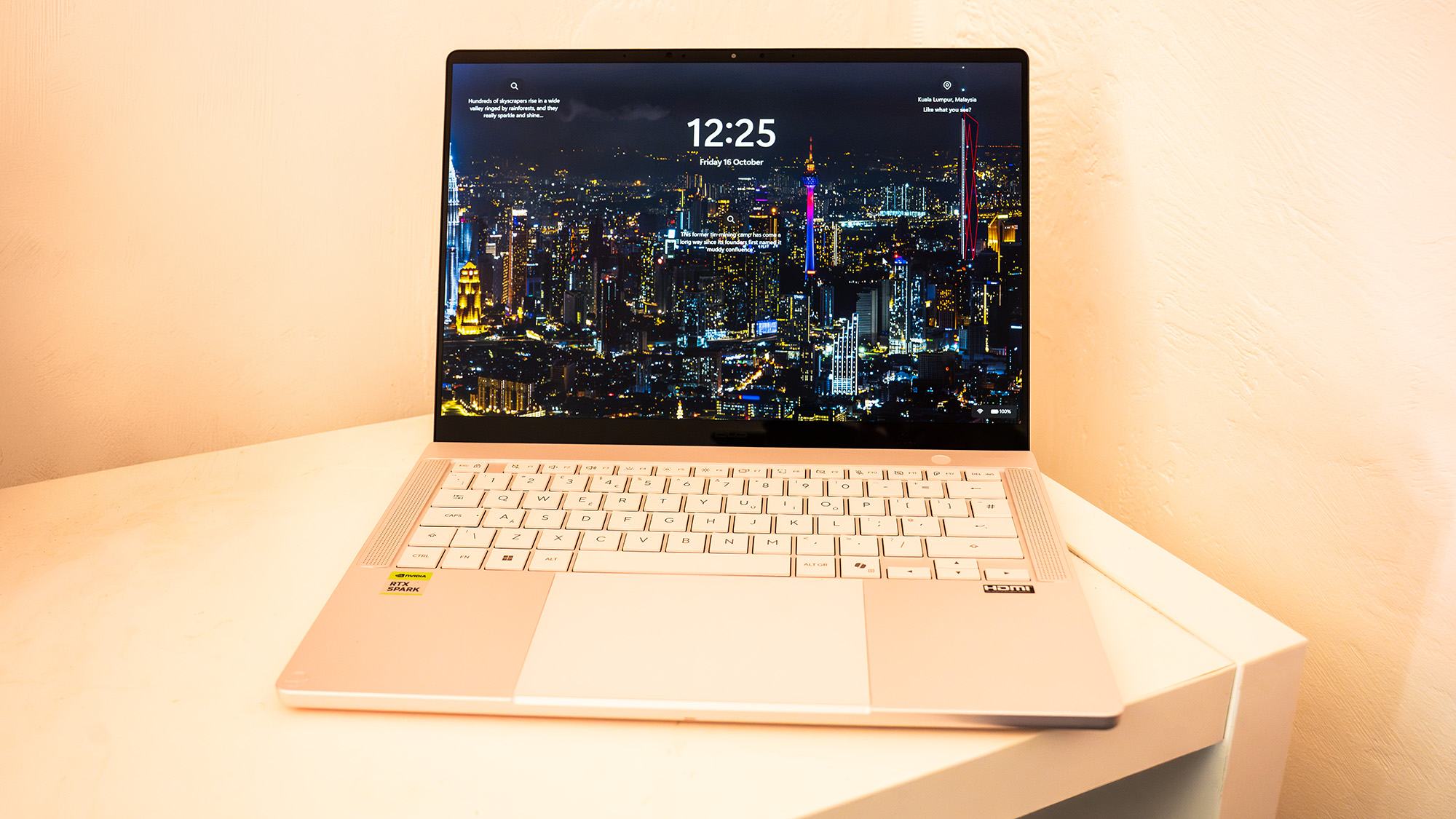
Connectivity is another area where the ProArt P14 excels. Despite its thin profile, it manages to include a generous array of ports. It features three USB4 ports, a single USB 3.2 Gen 2 Type-A port, and a full-size HDMI 2.1 output. This variety ensures that users can connect to high-resolution external monitors and various peripherals without the constant need for dongles. Furthermore, the inclusion of an SD card reader is a vital inclusion for photographers and videographers who need to offload footage quickly while on location.
The Lumina Pro OLED: A Visual Powerhouse
Central to the ProArt P14’s appeal is its 14-inch Lumina Pro OLED touchscreen. ASUS has consistently led the market in OLED implementation, and this panel is no exception. With a resolution of 2880 x 1800 and a 120Hz refresh rate, the display provides a level of fluid motion and sharpness that makes every interaction feel instantaneous.
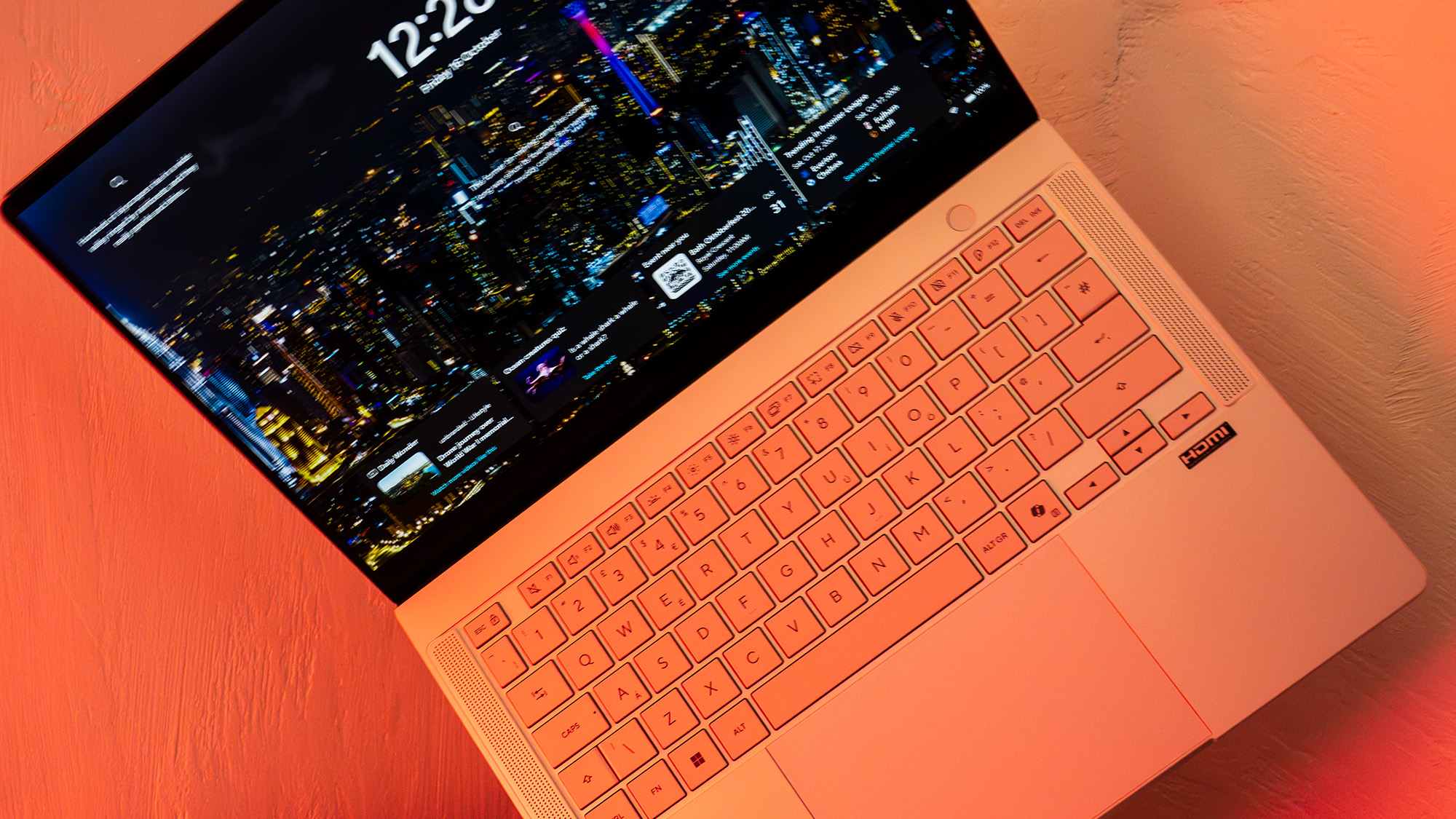
In terms of color performance, the display is a dream for visual artists. Testing reveals that the panel covers 97% of the DCI-P3 color gamut, 100% of sRGB, and 94% of Adobe RGB. This level of accuracy makes it a reliable choice for color grading, print design, and high-end photo editing. The screen’s brightness is equally impressive, reaching a measured maximum SDR brightness of 640 nits. This ensures that the display remains legible even in challenging lighting conditions, such as working near large windows or outdoors. Whether you are retouching high-resolution images or simply browsing the web, the punchy colors and deep blacks characteristic of OLED technology make for a superior viewing experience.