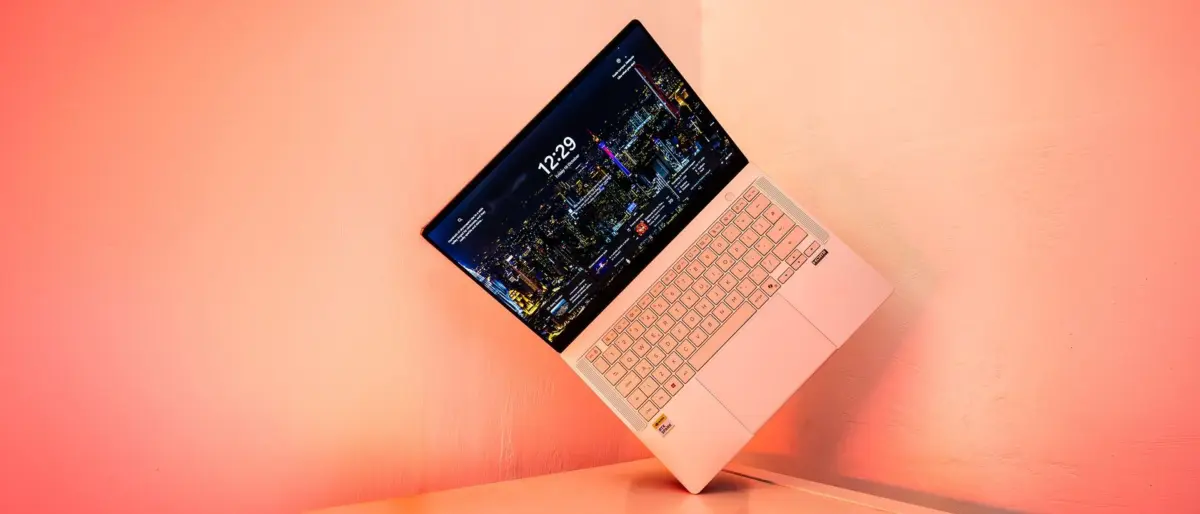
One of the primary benefits of the Arm-based Grace CPU is its efficiency. The entire SoC has a Total Graphics Power (TGP) of just 85W. Compare this to high-end Intel or AMD-based gaming laptops that can pull up to 175W, and the advantage becomes clear. This lower power draw translates directly into better battery life and more manageable thermals.
In our testing, the ProArt P14 delivered "all-day" battery life for standard productivity tasks. If you are primarily editing documents, browsing, and streaming video, you can expect between 8.5 and 11 hours of use. However, intensive AI workloads or 3D rendering will drain the battery significantly faster. Thermal management is generally good, though the fans do engage even under moderate loads when the system is set to "Performance" mode. For those who prioritize silence, a "Whisper" mode is available, which significantly reduces fan noise at the cost of some peak performance.
The Cost of Innovation
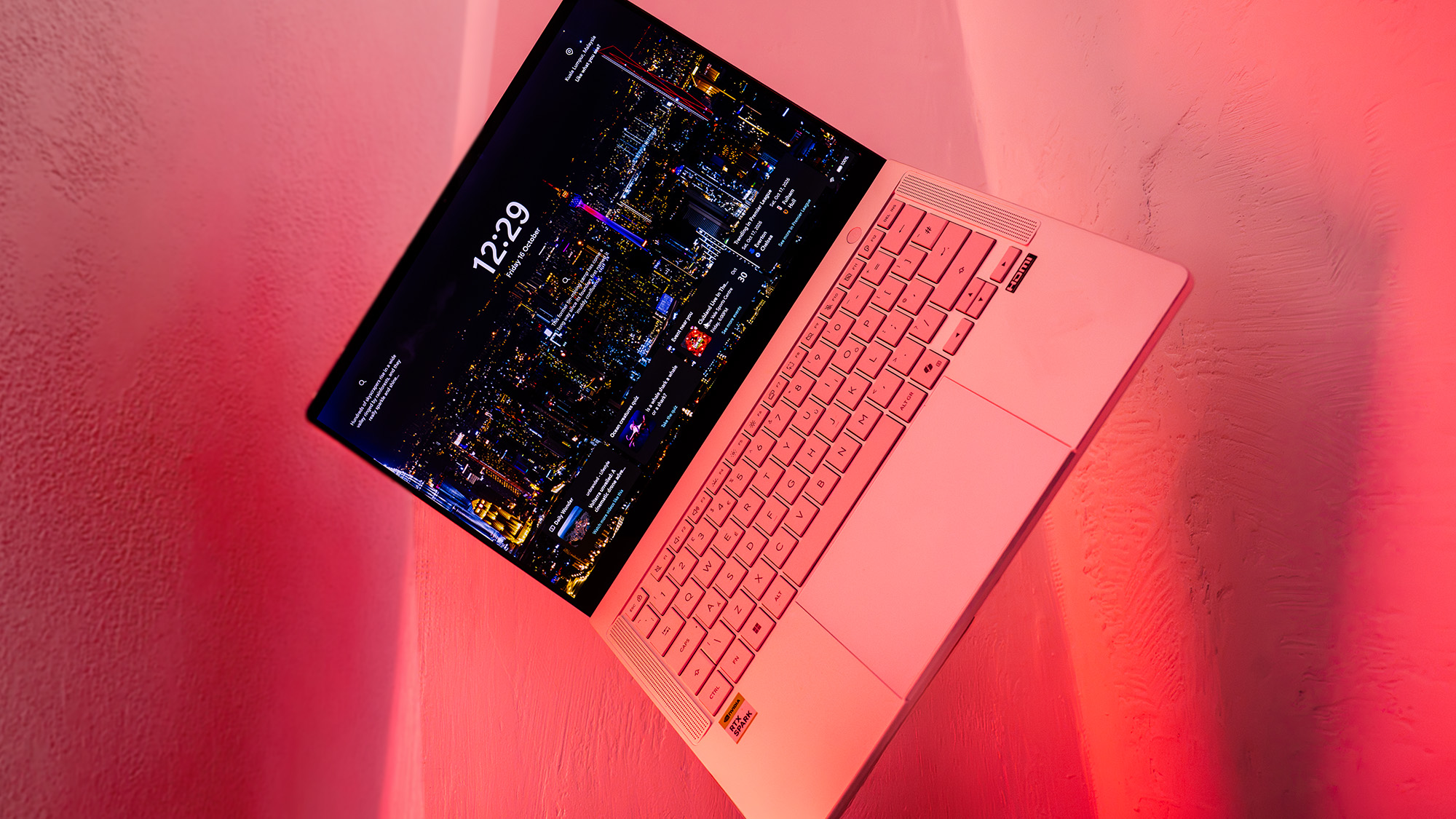
The most significant barrier to entry for the ASUS ProArt P14 is undoubtedly its price. Innovation of this magnitude rarely comes cheap, and the RTX Spark platform carries a heavy premium. The 24GB RAM configuration starts at approximately $2,599 (£2,699.99), with the 32GB model jumping to $3,099.99 (£3,199.99).
When compared to the broader market, these figures are daunting. A 14-inch MacBook Pro with an M5 chip and 32GB of RAM can often be found for less. For many traditional creatives, the high cost and current software compatibility issues may make it difficult to justify the P14 over more established Intel, AMD, or Apple alternatives. However, for those working on the cutting edge of AI development who need a portable machine capable of running complex agents locally, the price may be a secondary consideration to the unique capabilities of the RTX Spark platform.
Final Thoughts
The ASUS ProArt P14 is a pioneering device that marks the beginning of a new chapter for NVIDIA and the Windows on Arm ecosystem. It is a beautifully constructed, highly portable machine that offers a glimpse into a future where AI is integrated into the very fabric of our computing experience. The Lumina Pro OLED display is world-class, the battery life is impressive for a professional workstation, and the underlying RTX Spark architecture shows immense promise.
It is, however, a first-generation product. Early adopters will have to contend with software that hasn’t quite caught up to the hardware’s potential and a price tag that reflects the cost of being an industry trailblazer. For the average video editor or graphic designer, there are more cost-effective options currently available. But for the technologist, the AI developer, or the professional who must stay ahead of the technological curve, the ProArt P14 is a fascinating and powerful tool that delivers performance in ways few other laptops can match. One or two software updates could easily solve the compatibility issues, but the premium price remains the final hurdle for this otherwise stellar machine.