When Nintendo first pulled back the curtain on its ambitious remake of The Legend of Zelda: Ocarina of Time for the upcoming Switch 2, the gaming community was immediately and sharply divided. For many, the 1998 original is not merely a game but a sacred text of interactive design, and any attempt to alter its aesthetic—particularly the facial modeling of Link—was met with intense scrutiny. However, as the first hands-on previews from major gaming outlets emerge, the narrative is beginning to shift from one of skepticism to one of genuine anticipation.
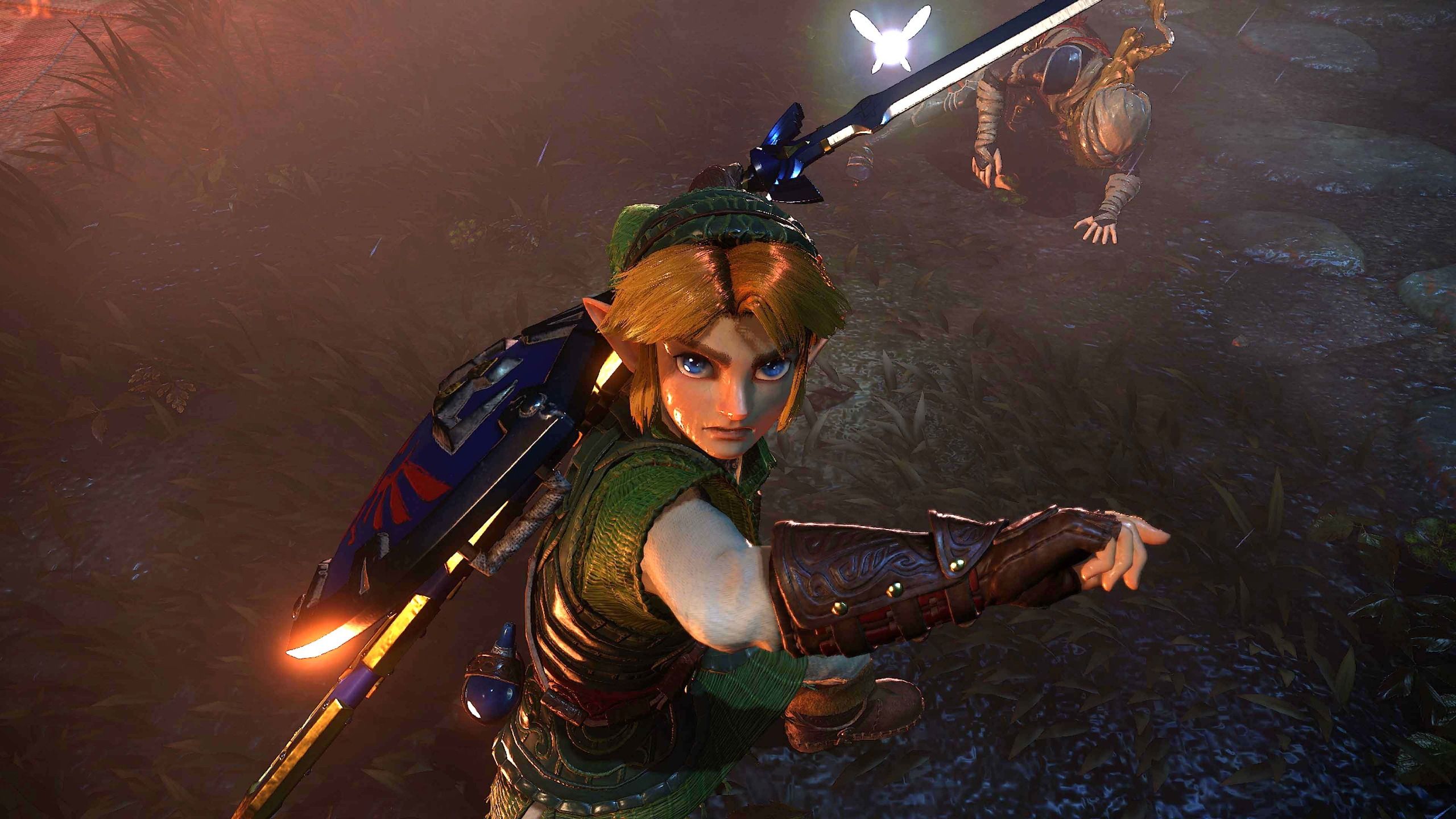
Journalists recently spent several hours exploring the reimagined Hyrule, traversing iconic locales such as Kokiri Forest, the Great Deku Tree, Castle Town, and the atmospheric Forest Temple. The consensus among those who have held the controller is that this project represents far more than a simple high-definition remaster. Nintendo appears to be performing a delicate balancing act: rebuilding the game from the ground up to meet modern technical standards while meticulously preserving the "soul" of the N64 masterpiece.
01. A Visual Overhaul That Defies Initial Skepticism
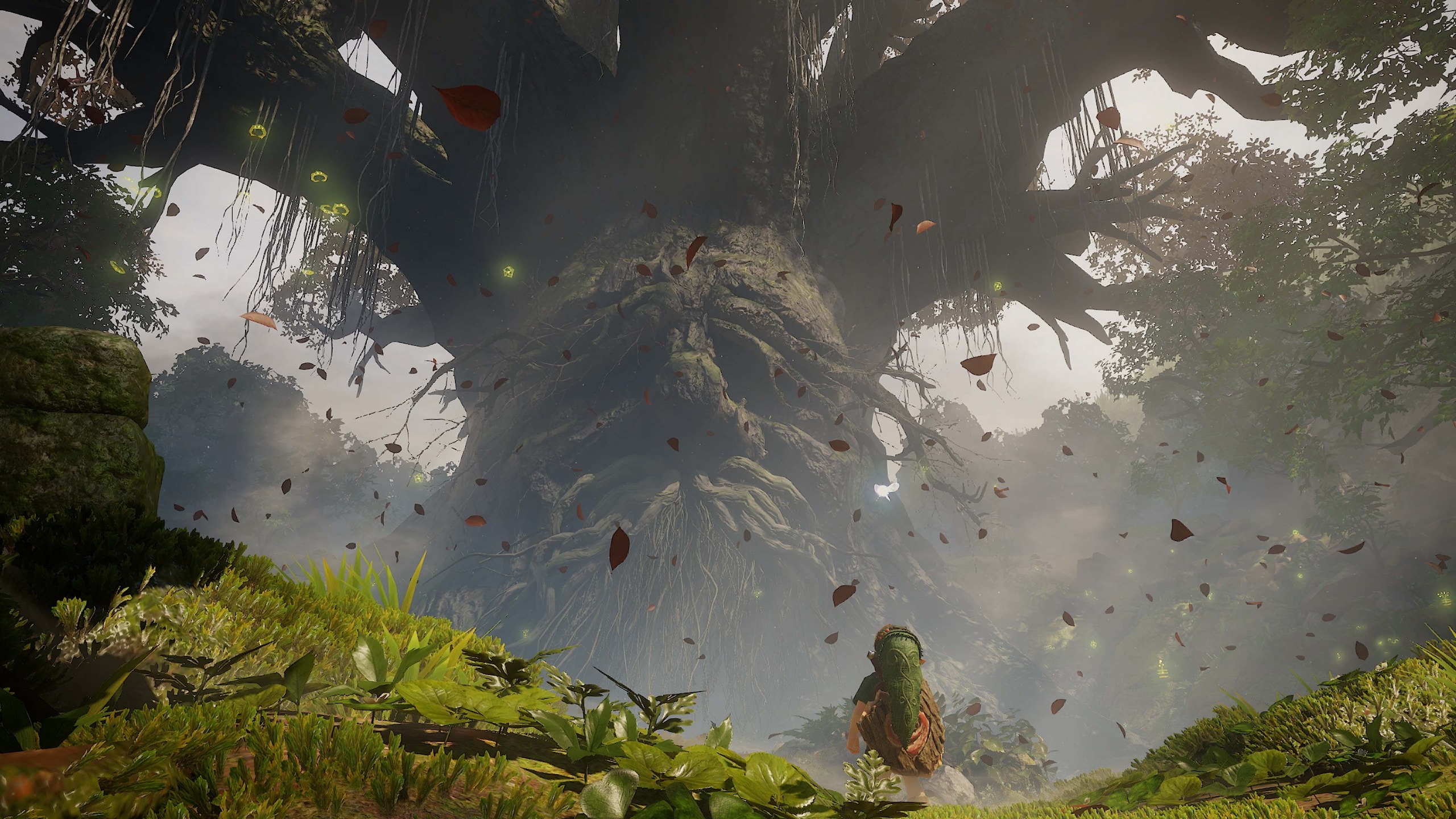
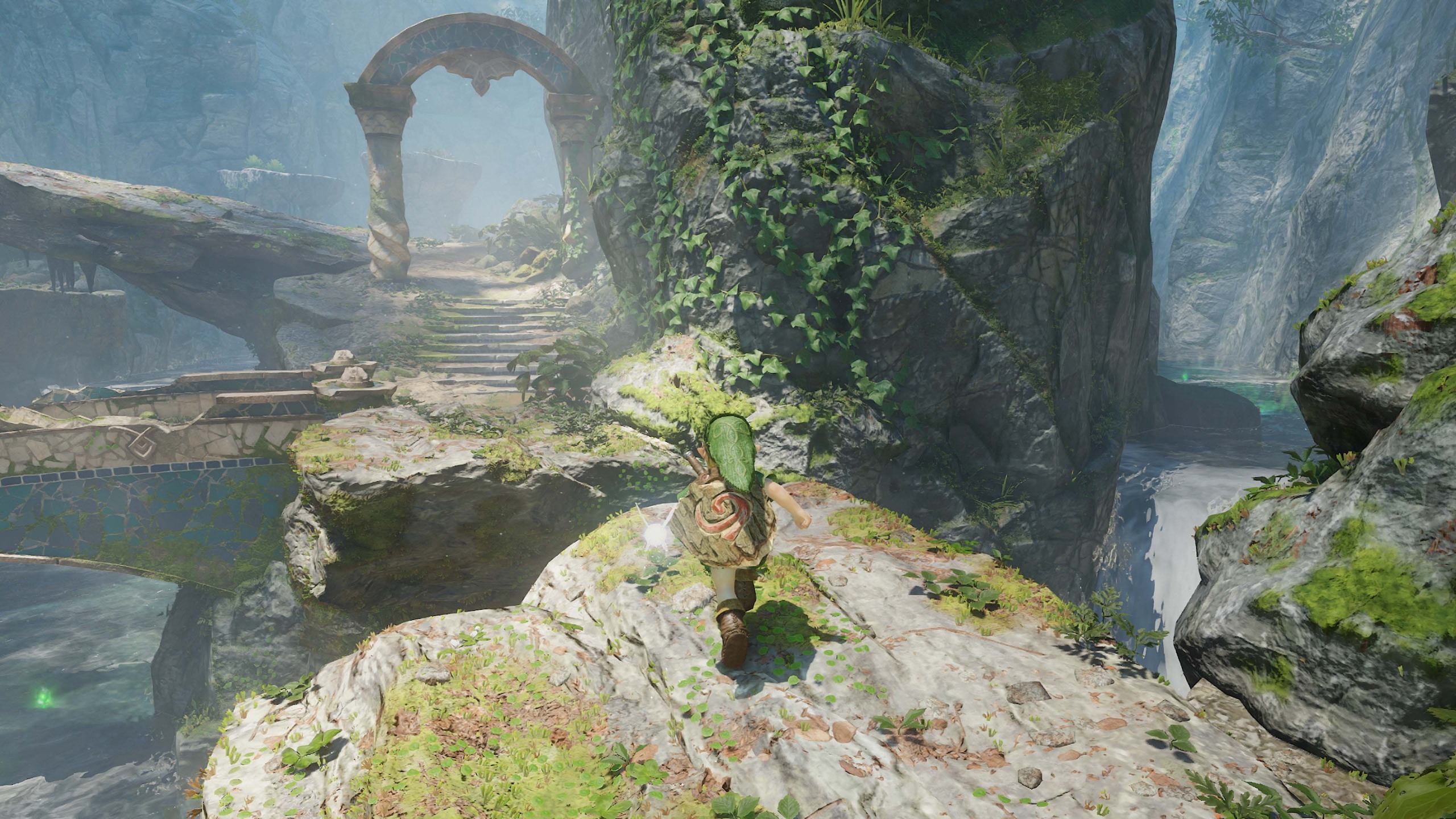
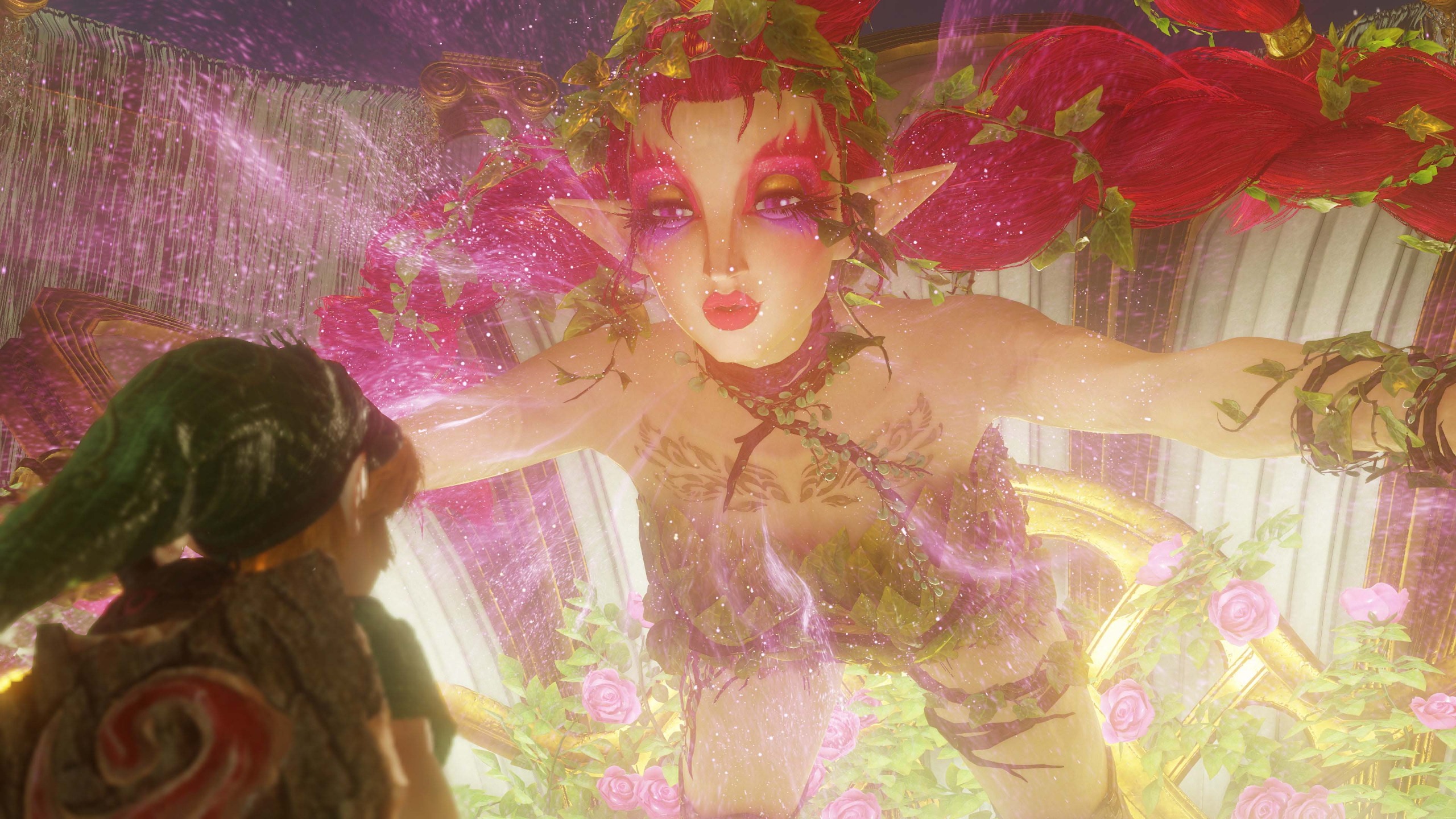
The primary point of contention following the game’s reveal was its art direction. Early screenshots led some to fear that the remake had lost the grit or specific artistic intent of the original. However, hands-on reports suggest that the game looks significantly better in motion than it did in its initial marketing materials. The new Hyrule retains the familiar silhouettes and vibrant color palettes of the 1990s, but it fills those spaces with a level of environmental density previously impossible.
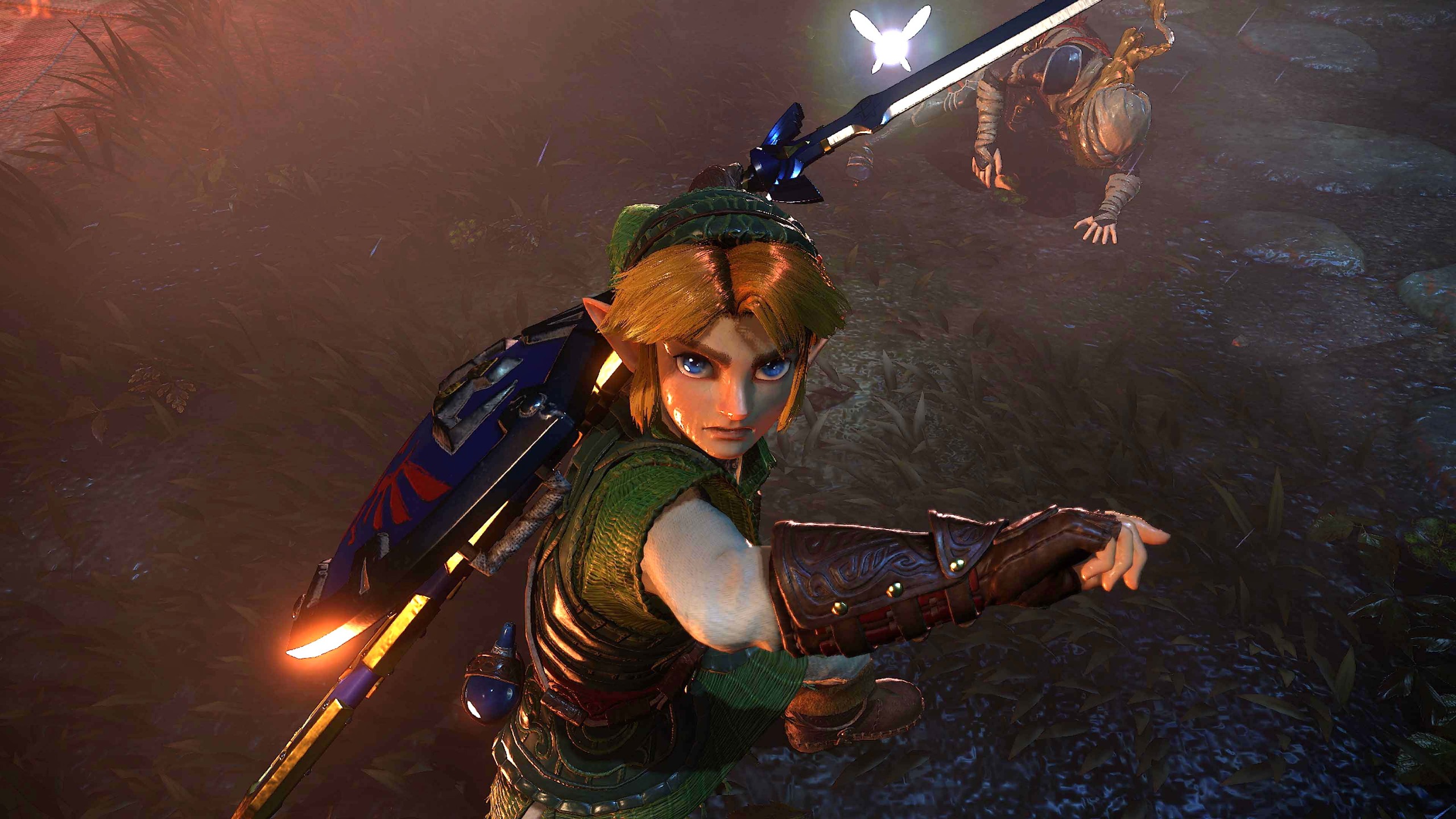
Gavin Lane of Nintendo Life noted the staggering level of detail present in the smallest assets. From the tangible grain in the wooden architecture of Kokiri Forest to the individual stitches visible on Link’s iconic green tunic, the world feels lived-in rather than sterile. GamesRadar+ echoed these sentiments, suggesting that the "softer, warmer" art direction creates a cohesive atmosphere that feels like a natural evolution of the original’s intent.
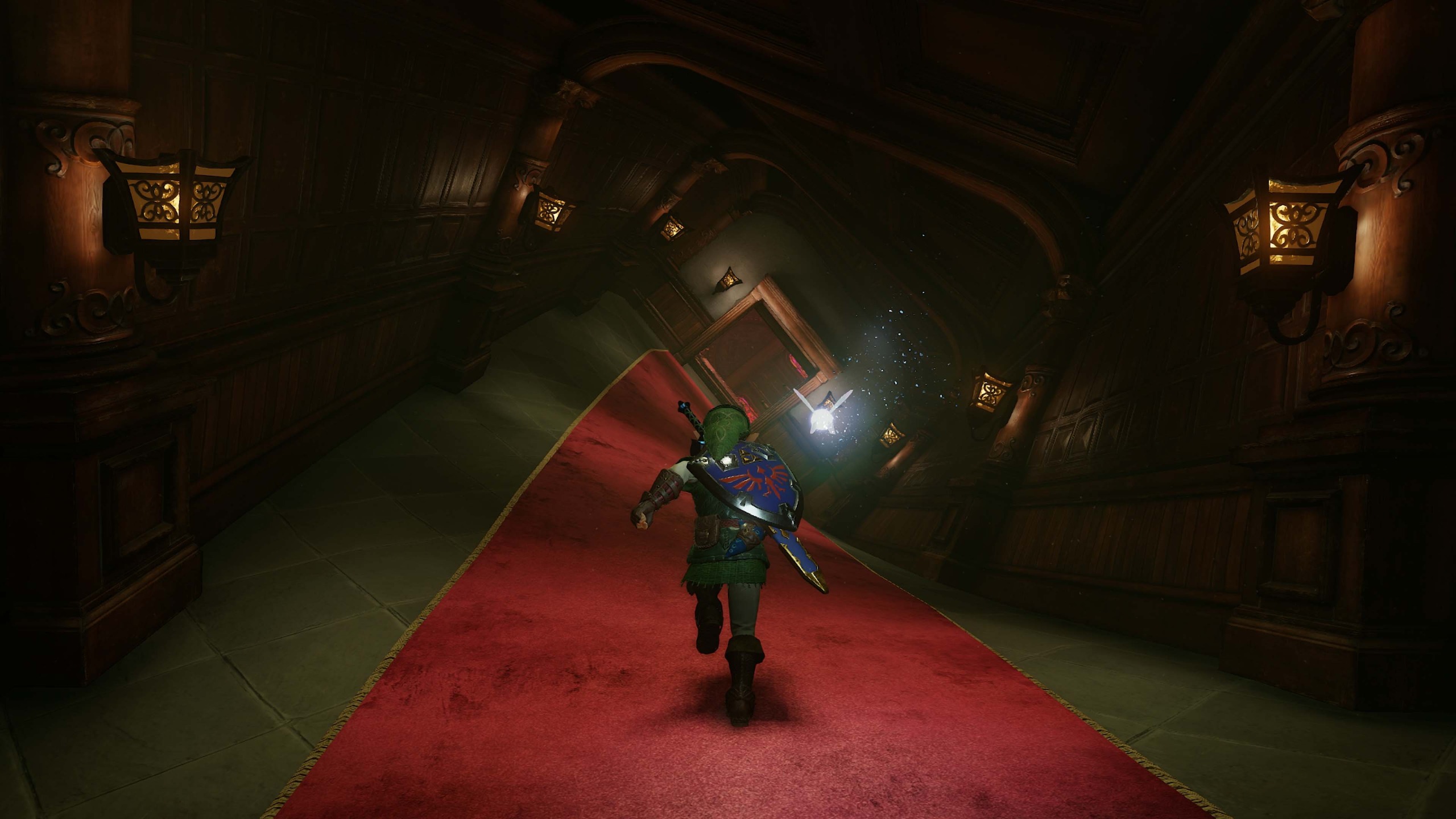
Lighting, in particular, has seen a transformative upgrade. In the Forest Temple, pools of sunlight filter through high windows, casting deep shadows that dance against the walls as mist drifts through the corridors. While some previews noted minor technical hurdles, such as occasional shimmering on hair and foliage textures, the general feeling is that the visual fidelity finally does justice to the memories fans have held for over two decades.
02. Rebuilding a Masterpiece: Remake vs. Remaster
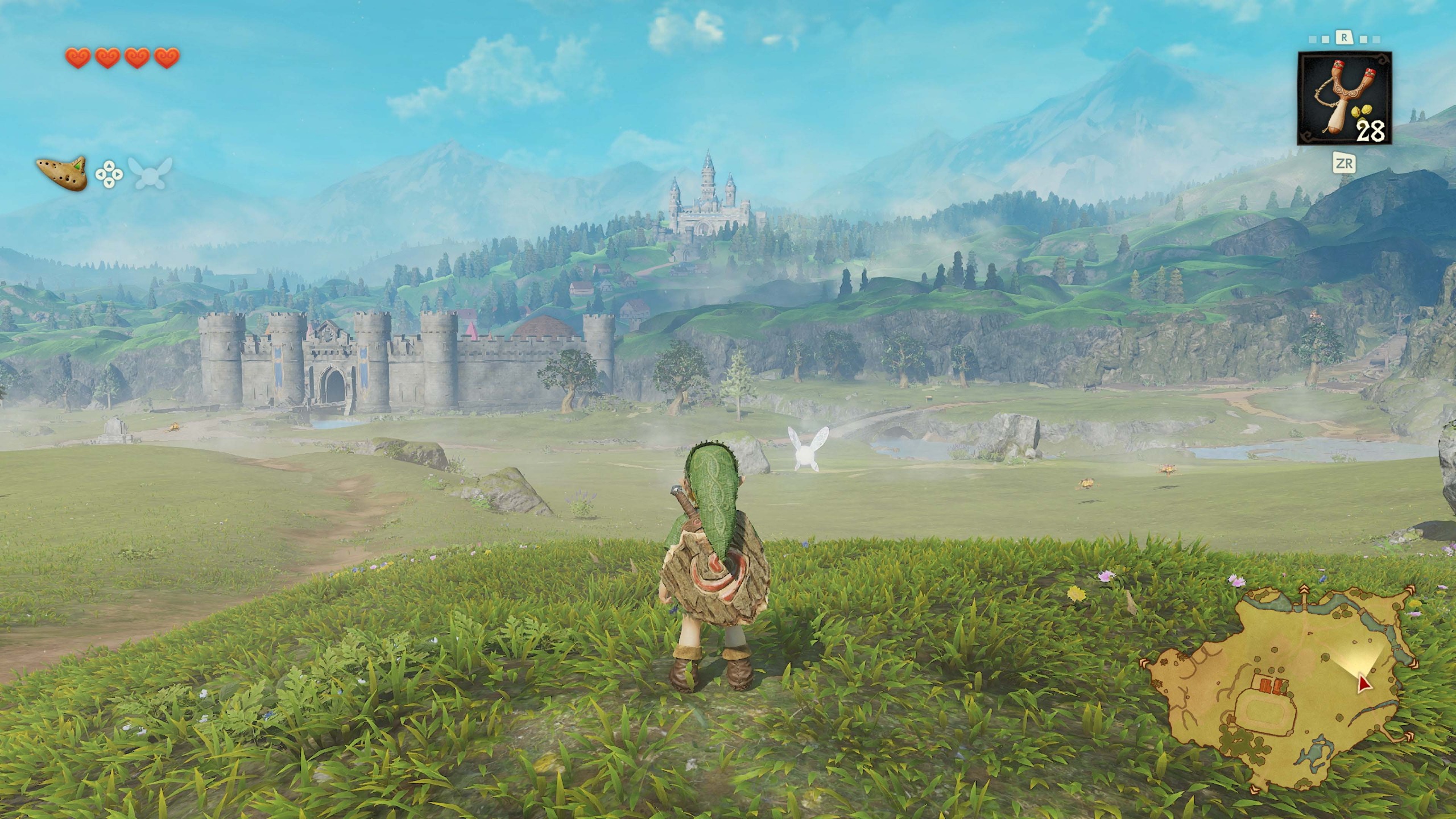
A recurring theme in early previews is the distinction between a remaster and a "proper" remake. While Nintendo could have taken the path of least resistance by upscaling the 2011 3DS version, they have instead opted for a total reconstruction. The geometry of the world has been updated, the camera systems have been modernized, and the connectivity between zones has been rethinked.
Chris Scullion of VGC observed that while the broad layout of the world remains identical—veterans will find the Kokiri Sword exactly where they remember it—the "clunkiness" that defined early 3D gaming has been polished away. The game does not attempt to mimic the "Open Air" philosophy of Breath of the Wild or Tears of the Kingdom. Instead, it doubles down on the structured, dungeon-centric progression of the classic Zelda formula, albeit with the friction points removed.
03. The Evolution of Movement: Link Finally Jumps
Perhaps the most significant mechanical change is the addition of a dedicated jump button. In the original Ocarina of Time, Link’s jumping was contextual; he would automatically hop off a ledge if the player ran toward it. While revolutionary in 1998, this system could be imprecise during complex platforming or combat.
The remake grants players full control over Link’s verticality. However, previews suggest this change comes with a learning curve for long-time fans. Decades of muscle memory have trained players to rely on the auto-jump, and retraining one’s thumbs to manually leap mid-combat or during a puzzle can be jarring. Despite this new freedom, Link remains grounded in the "Ocarina" style of exploration—he won’t be scaling mountains or paragliding across the map, as the game’s boundaries remain defined by the original’s level design.
04. Fluid Combat and the 60fps Revolution
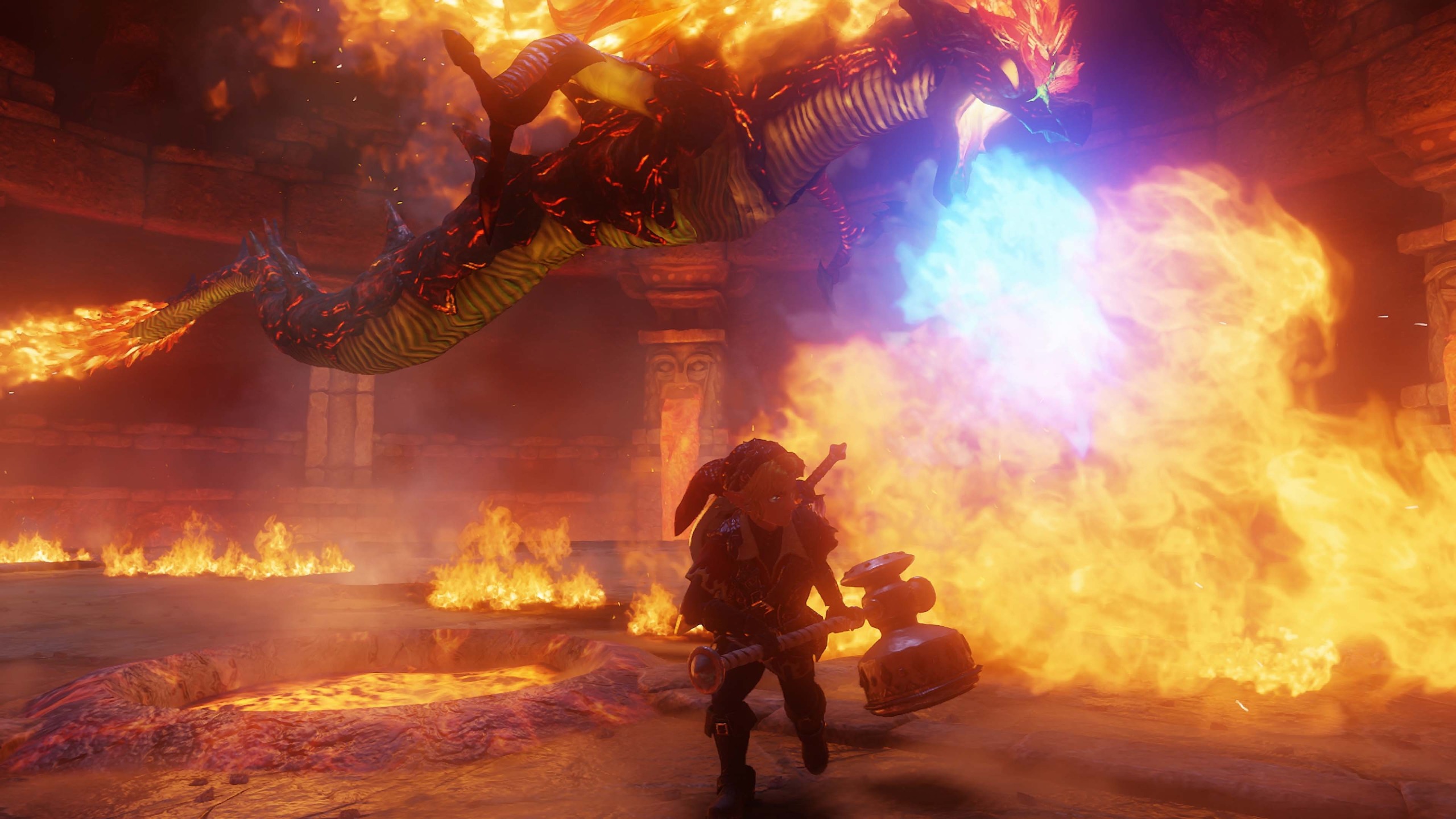
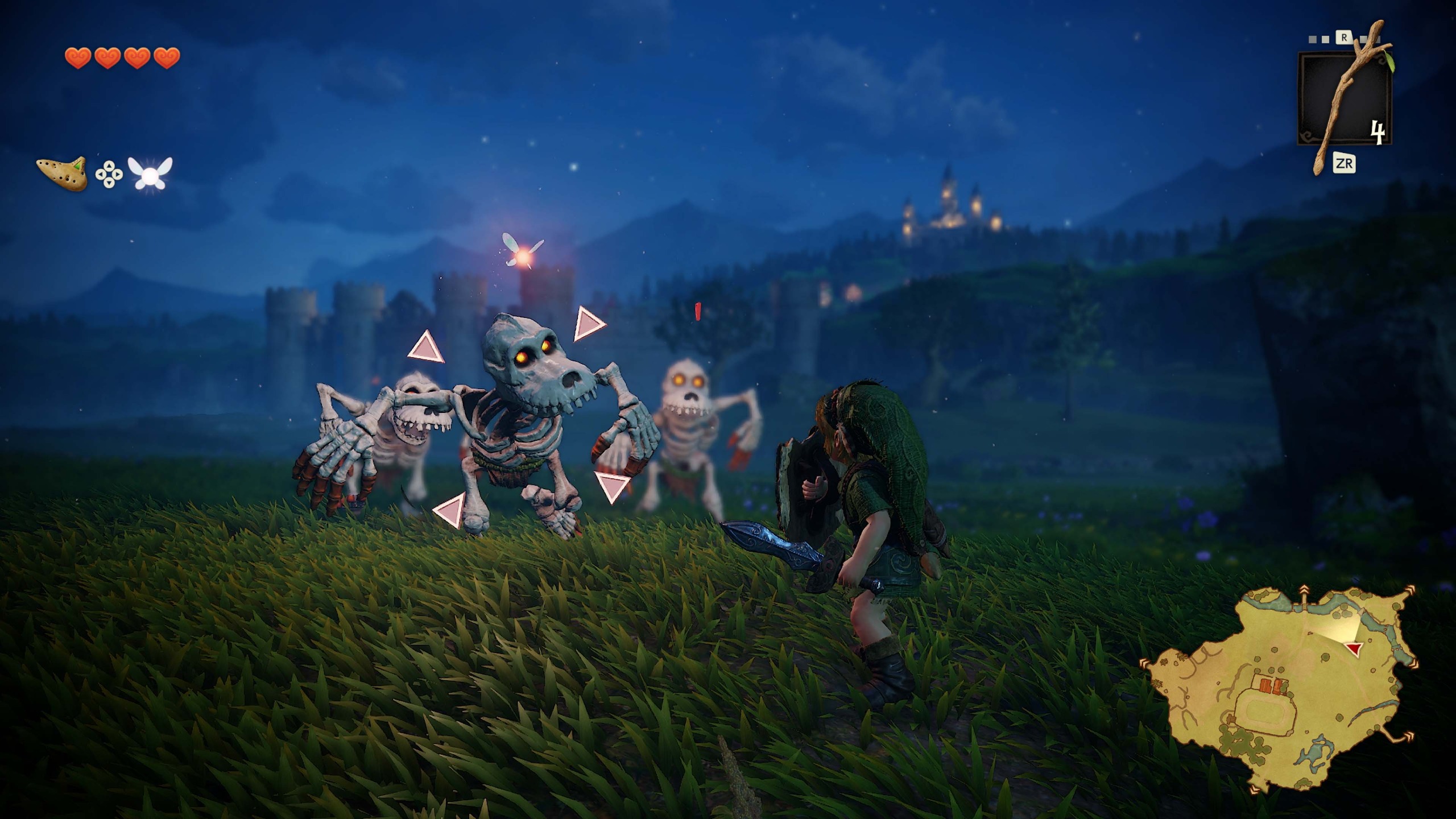
Combat in Ocarina of Time was defined by the invention of Z-targeting, a system that remains the backbone of the remake. The rhythmic "wait-and-strike" flow of battle against Stalfos or Lizalfos is intact, ensuring that the game doesn’t feel like a frantic hack-and-slash.
However, the leap to 60 frames per second (fps) has fundamentally altered the feel of these encounters. The N64 original famously ran at a mere 20fps, which, while cinematic at the time, resulted in a heavy, sluggish input response by modern standards. At 60fps, dodging and parrying feel instantaneous and crisp. This fluidity also impacts the jump attack; because jumping is now a manual action, players must jump and then swing, rather than triggering a single pre-animated move. It is a subtle shift that makes the combat feel more active and less automated.
05. Modern Conveniences and HUD Customization
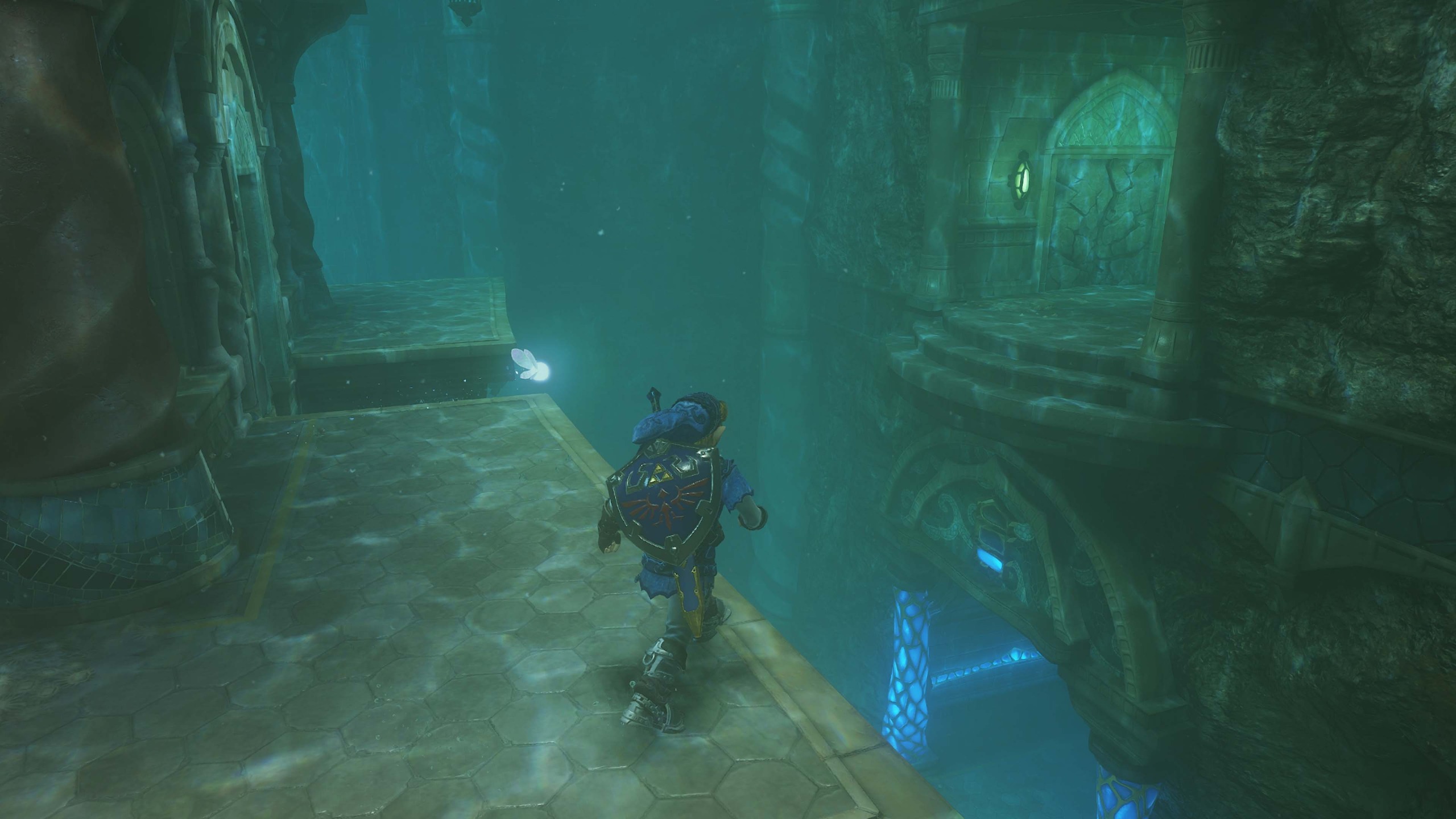
One of the most praised aspects of the previews is the modernization of the user interface. The "Water Temple" has become a shorthand for tedious menu management in gaming history, primarily due to the constant need to pause and equip the Iron Boots. The remake addresses this legacy directly by allowing players to switch equipment and items via quick-access menus without interrupting the flow of gameplay.
The map system has also been overhauled, featuring an on-screen display that makes navigating complex multi-floor dungeons far more intuitive. Furthermore, Nintendo has included several HUD options to cater to different playstyles. Purists can opt for a completely "Pro" HUD that removes all on-screen icons for a cinematic experience, while others can keep the modern conveniences at the forefront.
06. A Living, Breathing Castle Town
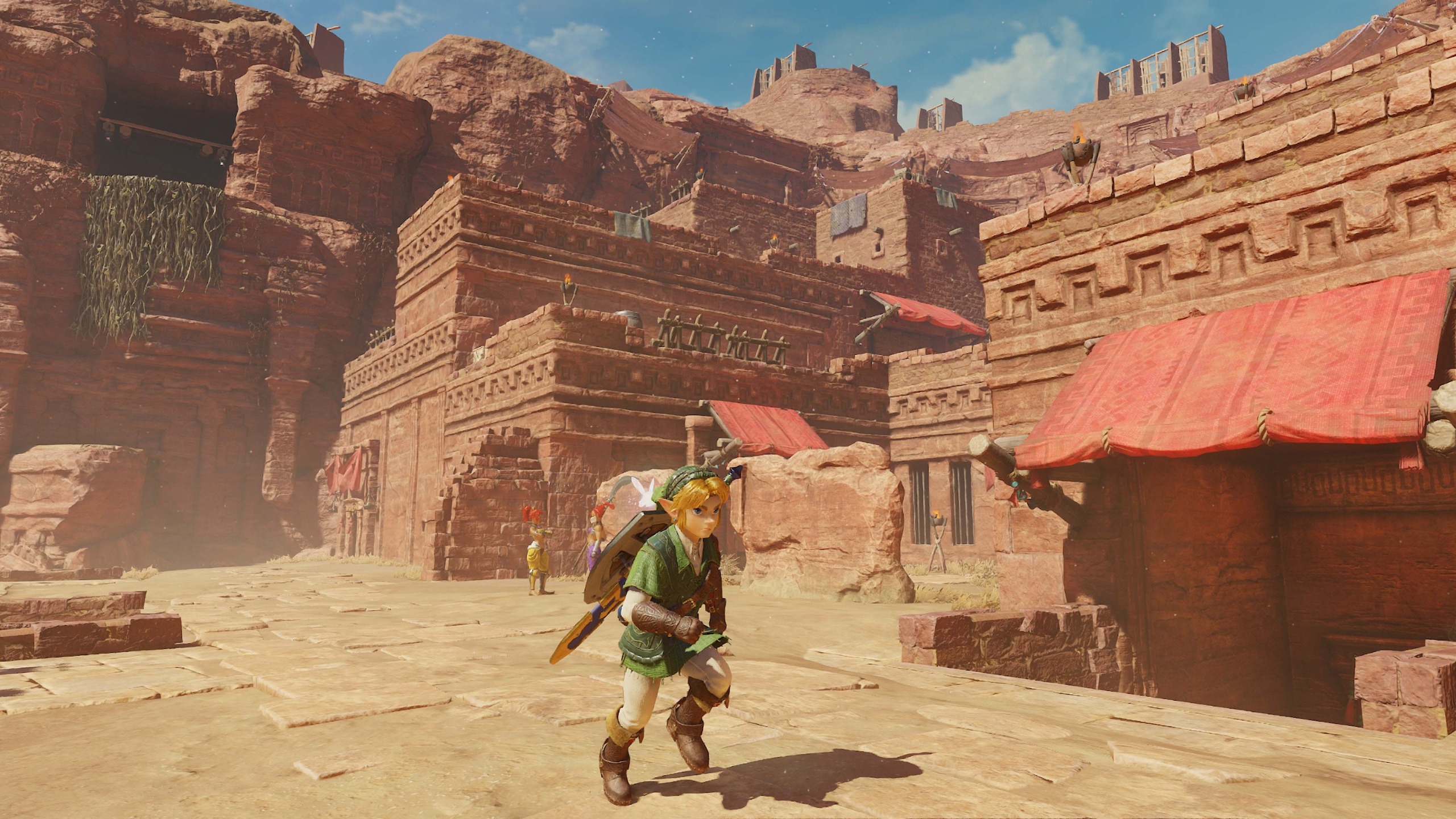
While the dungeons are the heart of the game, Castle Town has arguably received the most substantial "quality of life" upgrade. In the 1998 version, the market was a series of static, pre-rendered backgrounds with fixed camera angles. In the Switch 2 remake, the town is a fully realized 3D space. The market, back alleys, and shops are now seamlessly connected, allowing players to rotate the camera freely as they explore.
The town also feels significantly more populated. NPCs are more detailed and possess a wider range of animations. Rather than standing still and waiting for Link to initiate a conversation, characters will now call out to him as he passes or engage in their own ambient dialogues. GamesRadar+ highlighted a humorous addition: the famously bearded man in the market now uses his facial hair as a literal "tracking device" to point Link toward specific objectives, a touch of Nintendo’s signature whimsical charm.
07. The Controversy of Voiced Cutscenes
The most divisive element revealed in the previews is the introduction of voice acting. For the first time in an Ocarina title, key cutscenes feature voiced dialogue for characters like Navi, the Great Deku Tree, and Ganondorf. Following the tradition of modern Zelda titles, Link remains a silent protagonist, communicating only through grunts and shouts.
Early reactions on platforms like Reddit suggest that this change remains a sticking point for the community. Some players feel the voices bring the game in line with modern standards, while others argue that the specific English dubs feel "cartoonish" or "anime-like," clashing with the somber atmosphere they associated with the original. It is important to note that the game is not "fully voiced" in the style of a modern RPG; the vast majority of NPC interactions still rely on text boxes, with voice work reserved for pivotal cinematic moments.
08. Leaning Into the Eerie: The Forest Temple
The Forest Temple has long been regarded as one of the most atmospheric levels in the Zelda franchise, and the remake leans heavily into its haunting reputation. Previews describe the temple as "properly creepy," utilizing the Switch 2’s lighting capabilities to create a sense of dread. The dark wooden corridors, stained-glass windows, and shafts of light create a high-contrast environment that emphasizes the temple’s ghostly nature.
However, this increased detail can be a double-edged sword. Kotaku reported on a previewer who missed a vital key chest because the room was so visually dense and "busy" that the interactable object blended into the ornate environment. It suggests that while the game is more beautiful, players may need to adjust their eyes to a world that is far more cluttered than the stark, low-polygon environments of the N64.
09. A Faithful Core: Puzzles and Pacing
Despite the technical bells and whistles, the core progression of the game remains untouched. The dungeon layouts, puzzle solutions, and the order of operations for completing the quest are identical to the 1998 version. This is a game built on keys, locked doors, and the slow unraveling of a complex map—a stark contrast to the "do anything, go anywhere" freedom of recent entries.
Whether this traditional pacing will resonate with a younger generation of players who started their journey with Tears of the Kingdom remains to be seen. However, for the veteran fan base, this faithfulness is the ultimate reassurance. The remake isn’t trying to fix what wasn’t broken; it is simply trying to present it in the best possible light.
10. The Path to Launch: November 2026
As the preview cycle continues, the overall sentiment toward the Ocarina of Time remake is warming. While the voice acting and the manual jump button will likely remain topics of debate until launch, the sheer technical craft on display has silenced many of the project’s harshest critics. Nintendo appears to be treating this remake with the reverence it deserves, positioning it as a flagship title for the Switch 2 that bridges the gap between gaming’s past and its future.
With a release date set for November 5, 2026, there is still plenty of time for Nintendo to polish the experience and address the minor technical hitches noted by journalists. For now, the "Hero of Time" seems poised for a triumphant return that is as much about honoring a legacy as it is about showcasing a new generation of hardware.