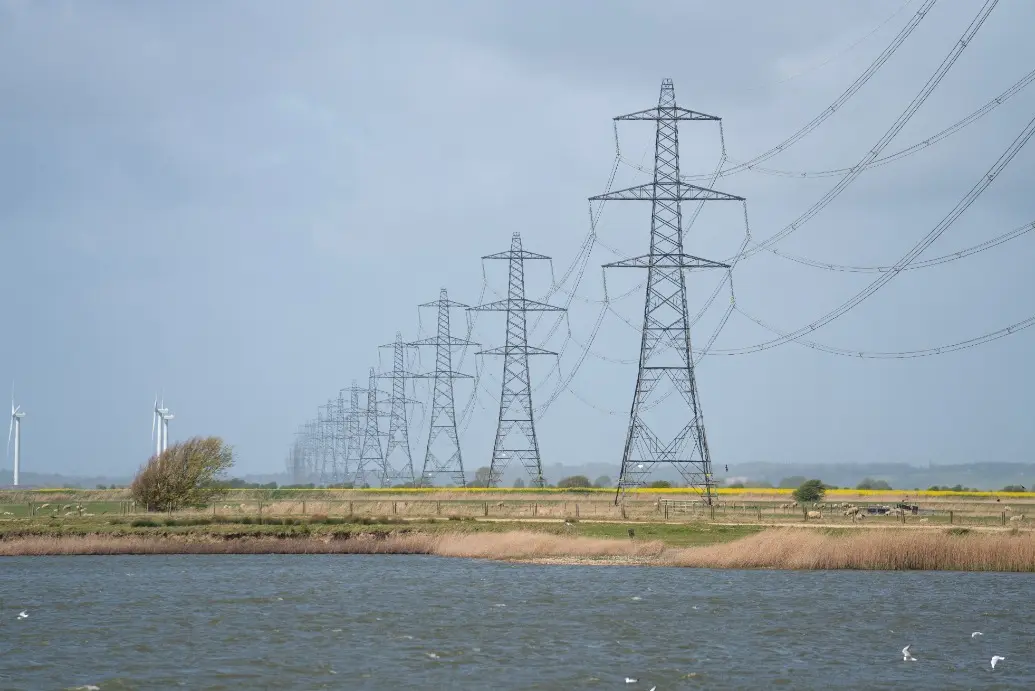
Industry reactions to the announcement have underscored the urgency of the situation. For years, trade bodies representing manufacturers and digital infrastructure providers have warned that the UK’s aging grid is the single greatest obstacle to growth. Data center operators, in particular, have noted that the inability to secure power connections has forced them to look at alternative locations in mainland Europe, where grid access is often more streamlined and costs are more predictable. By targeting transmission projects and high-demand areas specifically, the GB Grid aims to reclaim this lost ground.

The Prime Minister’s speech was also an exercise in political positioning, contrasting the government’s interventionist approach with the laissez-faire policies of previous decades. He told the conference that a publicly owned grid entity is the "missing piece" of the UK’s energy puzzle. By having a state-owned player in the room, the government believes it can more effectively direct infrastructure toward areas of national strategic importance, rather than leaving the development of the grid solely to the commercial priorities of private operators.
The ten-year timeline for cost parity with Europe is an ambitious one, given the current disparity in wholesale and retail energy prices. However, the government believes that by removing the "connection tax" caused by delays and by fostering a more competitive environment for grid construction, the underlying costs of the system can be brought down. The GB Grid will be expected to operate with a mandate to drive efficiency, using its state-backed status to secure lower-cost financing for massive infrastructure projects that might otherwise be considered too risky or too long-term for private capital alone.
As the Labour Party conference continues, the details of the GB Grid’s operational structure are expected to be further refined. What is clear from today’s announcement is that the government views the electricity grid not just as a set of wires and pylons, but as a vital piece of national infrastructure that requires a new model of ownership and oversight. For the businesses waiting to connect and the households struggling with high bills, the Prime Minister’s plan represents a high-stakes bet that the state can succeed where the private market has faced significant hurdles.
The creation of the Great British Grid marks a new chapter in the UK’s energy history. By bringing the grid back into the fold of public influence, the government is attempting to synchronize the nation’s climate goals with its economic ambitions. The success of this initiative will likely be judged by whether it can truly dissolve the bottlenecks that have defined the energy sector for a generation, and whether it can deliver on the promise of making Britain a competitive, industrial powerhouse once again.