For many travelers based in the dense urban landscape of New York City, the urge to escape the frantic pace of the five boroughs is a recurring theme of the workweek. For Jessica Chapel, a resident of Brooklyn, that escape almost always involves a car, a map, and a carefully packed bag. Whether the destination is the salt-aired coast of Montauk, the rolling hills of the Hudson Valley, the rugged terrain of the Catskills, or the various ski resorts dotting the East Coast, the logistics of the weekend getaway remain constant. The challenge is rarely finding a reason to leave, but rather finding the right gear to facilitate the transition from a cramped city apartment to the freedom of the open road.
In the world of travel gear, the market is often dominated by rigid, hard-shell suitcases designed to withstand the rigors of airport baggage carousels. However, for the road-tripper, these "bricks" of luggage can often be more of a hindrance than a help. After nearly two years of consistent testing across dozens of excursions, Chapel has identified a standout performer that defies the traditional luggage mold: the Caraa Portobello duffel.
The Portobello has become a permanent fixture in Chapel’s travel rotation, serving as her primary companion for every weekend trip since she first acquired it. While many travelers cycle through bags in search of the latest trend, the longevity of this particular duffel in a professional travel editor’s arsenal suggests a design that prioritizes both aesthetic appeal and the practical realities of life on the move.
The Aesthetics of Functional Design
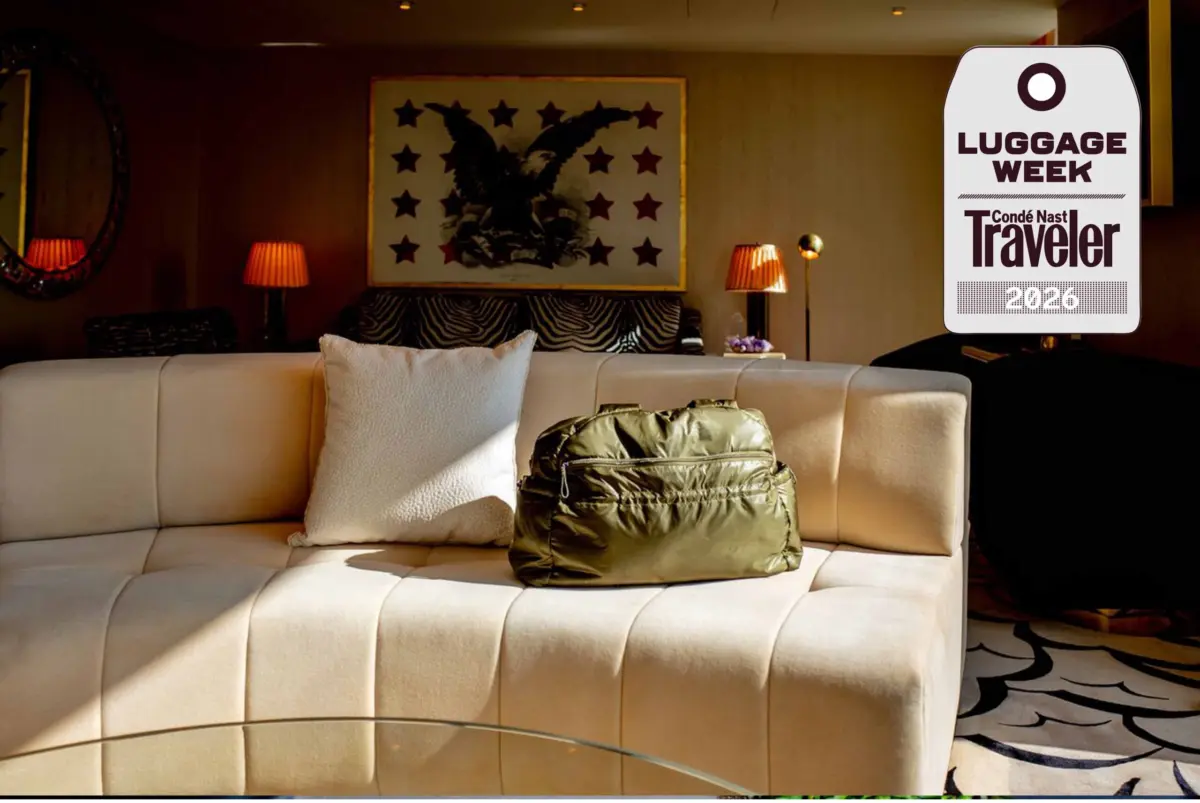
One of the most immediate draws of the Caraa Portobello is its visual identity. Chapel opted for the olive colorway, a choice she describes as a timeless, earthy shade of green. In a sea of black and navy luggage, the olive hue provides a sophisticated point of difference that manages to remain neutral enough to complement a variety of other travel accessories and suitcases.
However, the bag’s appeal goes far beyond its color. The Portobello is characterized by its "pillowy-soft" exterior, a design choice that stands in stark contrast to the utilitarian, often harsh fabrics used in standard gym bags or overnight kits. This softness is not merely for show; it informs the entire user experience. The bag feels approachable and comfortable, a quality that becomes increasingly important when one is hauling it from a Brooklyn brownstone to a car trunk, and eventually into a hotel lobby or a mountain cabin.
The ergonomics of the bag are further enhanced by the length of its shoulder straps. A common complaint among duffel users is the "pinch" that occurs when straps are too short to fit comfortably over a heavy winter coat or a bulky sweater. The Portobello’s straps are intentionally long, allowing the bag to sit naturally against the body. This is a subtle but vital detail for the "last mile" of a journey—that period of time spent carrying luggage through a parking lot or up a flight of stairs. A small button clasp that secures the two straps together adds a final touch of convenience, making the bag easy to grab and sling over a shoulder in one fluid motion.
Adaptability Through a Cinched Silhouette
Perhaps the most innovative feature of the Portobello is its adjustable, cinched shape. Traditional weekenders have a fixed volume; they are either full or they are floppy. The Portobello, however, utilizes a gathered top that allows the traveler to dictate the bag’s silhouette based on the specific requirements of the trip.
For a longer four-day weekend where packing space is at a premium, the bag expands fully, taking on a structured, beautiful shape that maximizes its internal capacity. Conversely, for a quick overnight stay or a minimalist trip upstate, the top can be cinched down, preventing the contents from shifting and ensuring the user isn’t burdened with a half-empty, oversized vessel.
This flexibility is particularly advantageous for residents of New York City, where square footage is a luxury. Unlike hard-shell luggage that occupies significant closet space even when empty, the Portobello’s collapsible nature allows it to be tucked away easily when not in use. It is a bag designed for the reality of urban living, where every inch of storage space must be justified.
Performance Over the Long Haul
A piece of luggage can only truly be judged after the "newness" has worn off, and Chapel’s two-year tenure with the Portobello provides a rare look at its long-term durability. Despite the "pillowy" and soft description, the bag has proven to be remarkably resilient. After dozens of trips, Chapel notes that the bag has maintained its original shape and texture, showing little of the wear and tear that typically plagues nylon bags.
The soft exterior also serves a protective function. When a car is packed for a group trip, luggage is often shoved, stacked, and jostled as the vehicle navigates winding mountain roads or makes sudden stops. The cushioned feel of the Portobello acts as a buffer for the items inside. This has allowed Chapel to pack more delicate essentials—fragile perfume bottles, jewelry, or hair accessories—with a level of confidence that a thinner, more rigid bag might not provide.

The material choice also reflects a modern sensibility toward sustainability and maintenance. Constructed from water-resistant recycled nylon, the bag is built to handle the unpredictable weather of the Northeast, from coastal mist in Montauk to sudden Adirondack downpours. Furthermore, the bag is machine washable. While Chapel admits she has yet to put this specific feature to the test, the mere existence of the option provides peace of mind for travelers who worry about the inevitable grime of road travel, from coffee spills to dusty trunks.
Organization and the Airport Transition
Inside the bag, the Portobello balances the need for open space with the necessity of organization. The main compartment is deceptively spacious, comfortably holding approximately four days’ worth of clothing. This capacity, of course, fluctuates with the seasons—bulky winter sweaters take up more room than linen summer dresses—but for the average weekend getaway, it hits a "sweet spot" of utility.
To prevent smaller items from being lost in the depths of the duffel, Caraa included a see-through interior compartment. This is an ideal home for undergarments, jewelry, or makeup products that need to be located quickly. It addresses a universal traveler’s frustration: the mystery of the "disappearing" small item, such as hair ties or charging cables, that always seem to migrate to the bottom corners of a bag.
Beyond the car, the Portobello has also proven its worth in the air. While it excels as a road trip companion, it features a hidden trolley sleeve that allows it to slide securely over the handle of a rolling suitcase. This makes it a versatile personal item for longer journeys that require a mix of checked luggage and a carry-on. The inclusion of an exterior pocket for a passport further cements its status as a legitimate piece of travel gear rather than just a stylish tote.
One of the most praised features, however, is the exterior water bottle holders. In a road trip context, these are invaluable. Rather than having a bottle roll around on the floor of the car or getting lost under a seat, the Portobello provides a designated, accessible spot for hydration.
The Limits of the Weekend Magic
Despite its many strengths, the Portobello is not a "one-bag-fits-all" solution for every possible scenario. Chapel is transparent about the bag’s limitations, particularly when it comes to specialized gear. On ski trips, for instance, the sheer volume of winter equipment—helmets, boots, and heavy outerwear—requires more space than a single duffel can provide. In these instances, Chapel uses the Portobello for her clothing and softer gear but supplements it with a second bag.
However, for the standard weekend escape—the 48 to 72 hours spent exploring a new town or relaxing by the beach—the Portobello remains her undisputed favorite. It offers enough room to pack comfortably without the bulk of a traditional suitcase, and it possesses enough aesthetic "spruce" to be carried into a high-end hotel without the wearer feeling as though they are carrying a gym bag.
As part of Condé Nast Traveler’s annual Luggage Week, Chapel’s review serves as a reminder that the best travel gear is often the piece that fits seamlessly into the way we actually live and travel. For the Brooklyn-based road-tripper, the Caraa Portobello has earned its place not just in the trunk of the car, but as a reliable, stylish, and durable partner for the journey ahead.
More colors available:
The Portobello is offered in a variety of shades beyond the olive tested here, allowing travelers to coordinate with their existing luggage sets or express their personal style.
More editor-recommended weekender bags:
The search for the perfect weekender is a cornerstone of Condé Nast Traveler’s mission. While the Portobello stands out for its soft-shell flexibility, the editors have road-tested dozens of other silhouettes to ensure every type of traveler—from the minimalist backpacker to the over-packer—finds their ideal match.
This article is part of Condé Nast Traveler’s annual Luggage Week, for which dozens of suitcases, backpacks, and weekender bags were road tested by our editors.