The literary ghost of Miguel de Cervantes has a notorious reputation for thwarting even the most visionary filmmakers. For decades, the tale of the deluded knight-errant has been a graveyard of stalled productions and abandoned dreams, most famously exemplified by Terry Gilliam’s thirty-year odyssey to bring his own version of the story to the screen. The inherent madness of the source material seems to infect the very process of its adaptation. Yet, where traditional Hollywood budgets and logistical nightmares have historically failed, a new breed of creators is stepping into the fray, armed not with lances, but with generative artificial intelligence.
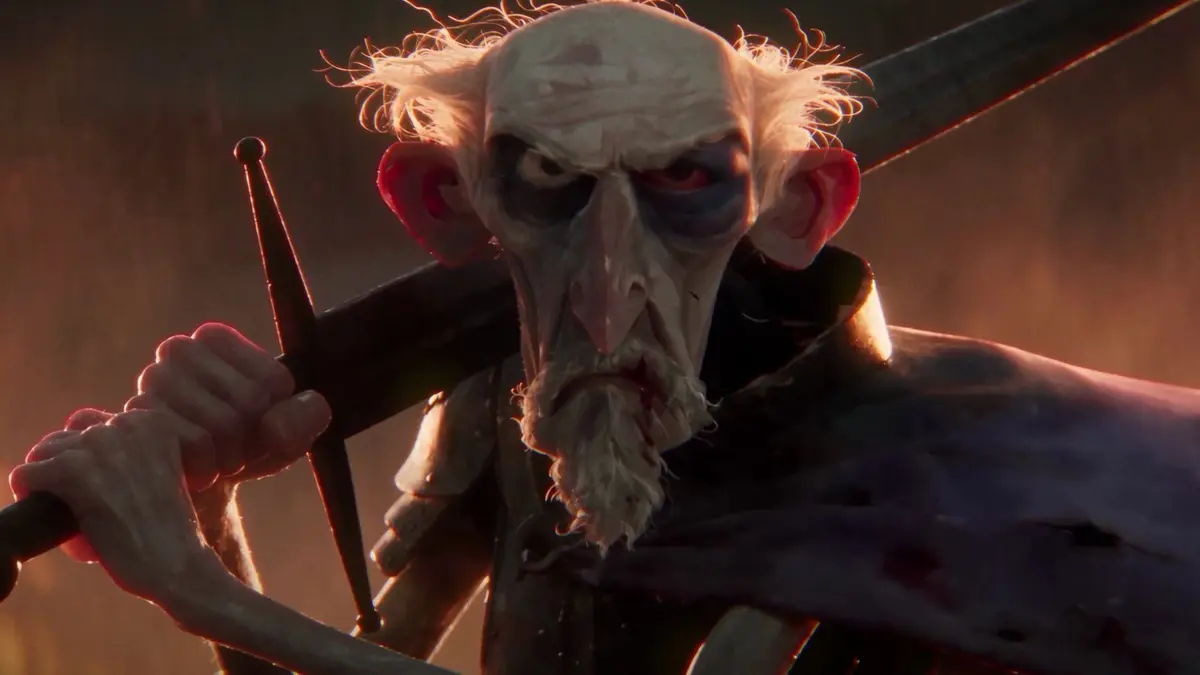
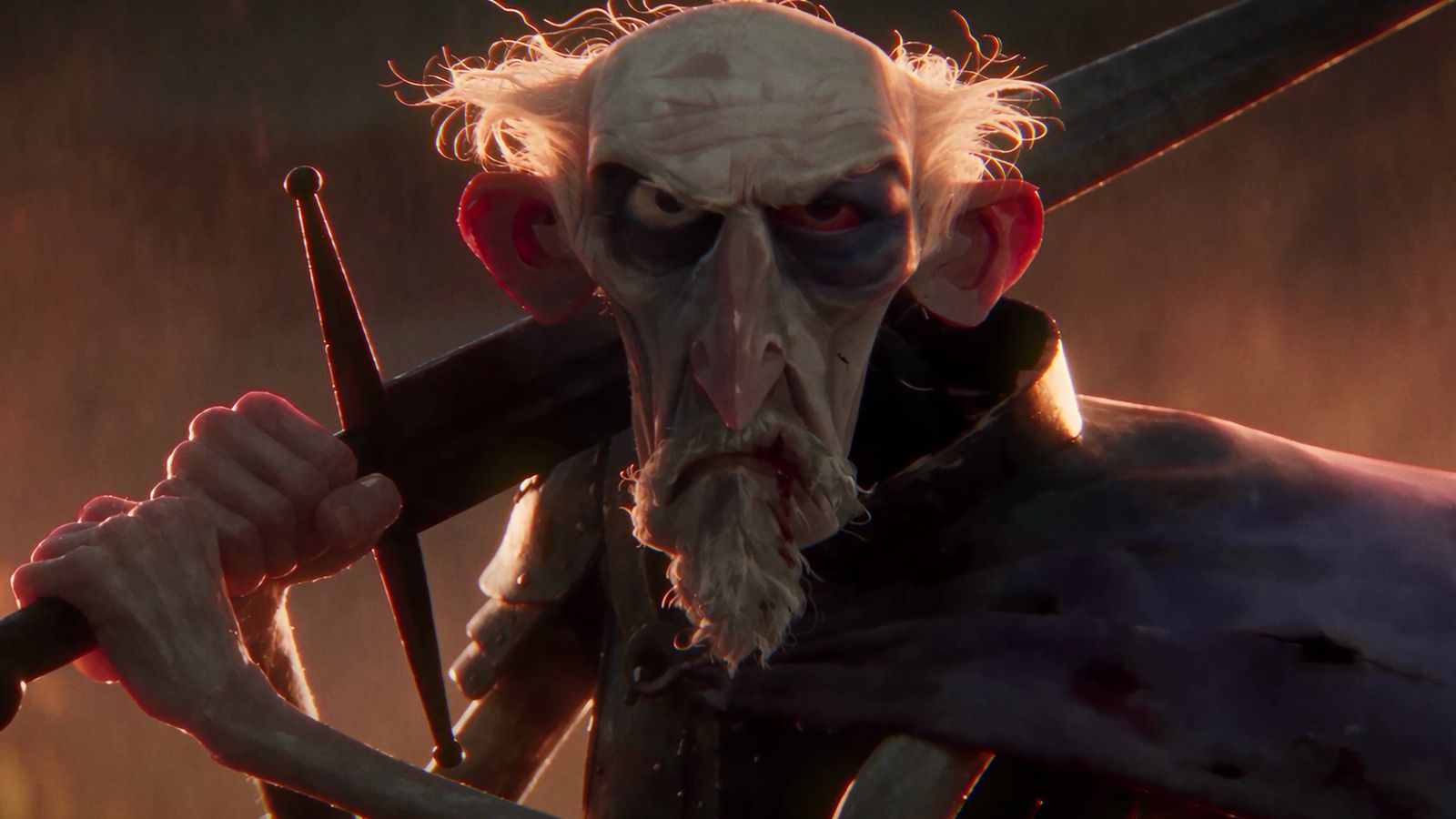
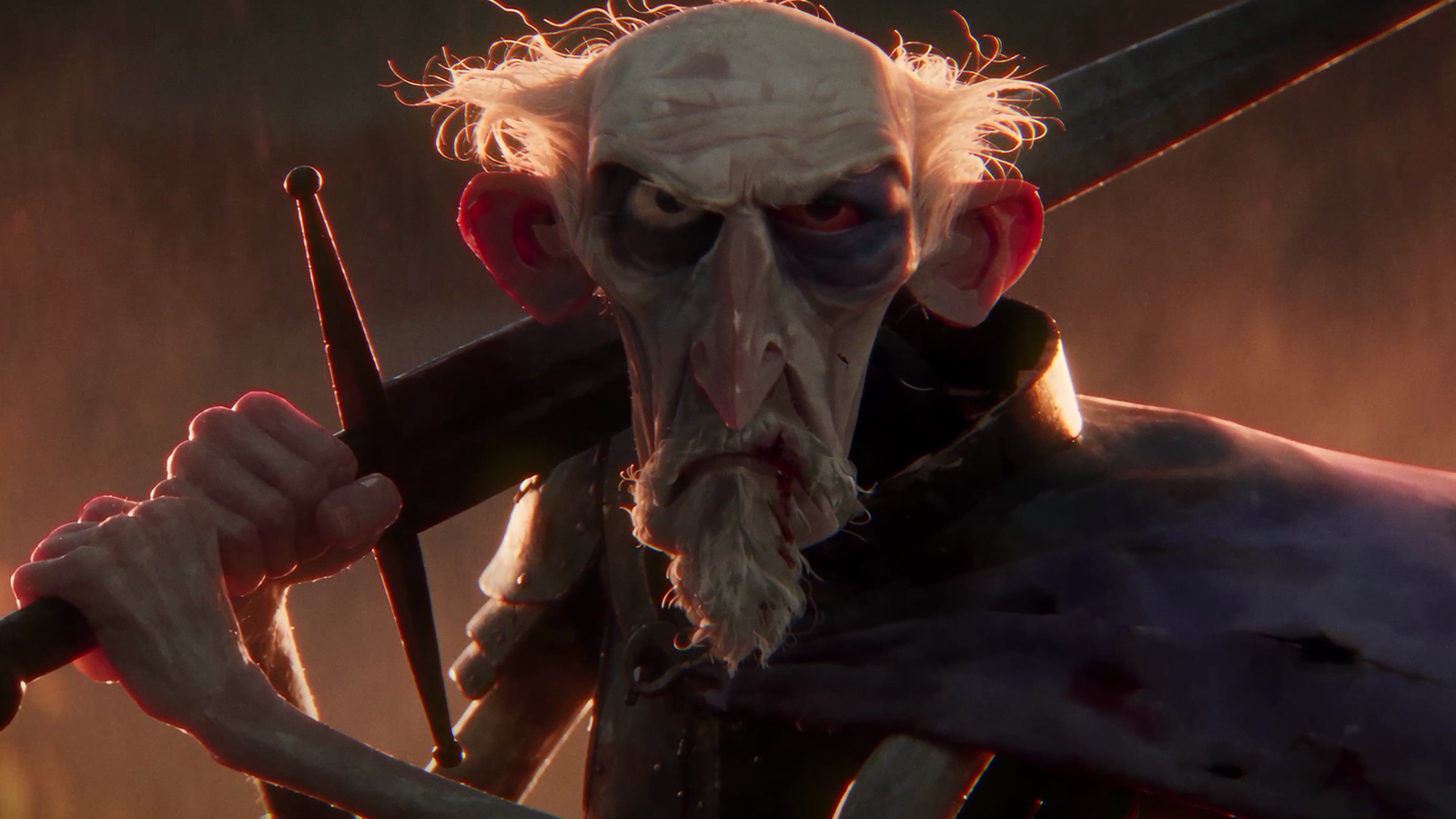
Guillermo Miranda and Javier de la Chica recently unveiled their own attempt to conquer the windmill-strewn plains of La Mancha with La Triste Figura (The Sorrowful Figure). A comedy-adventure short film built around the iconic windmill episode, the project serves as a significant case study in the evolving relationship between human creativity and machine learning. Produced in collaboration with the AI platform Magnific, the film represents a shift away from the "one-man army" trope often associated with AI content, instead opting for a collaborative, multi-departmental approach that mirrors traditional animation studios.
The Madrid Premiere: Testing the Human Element
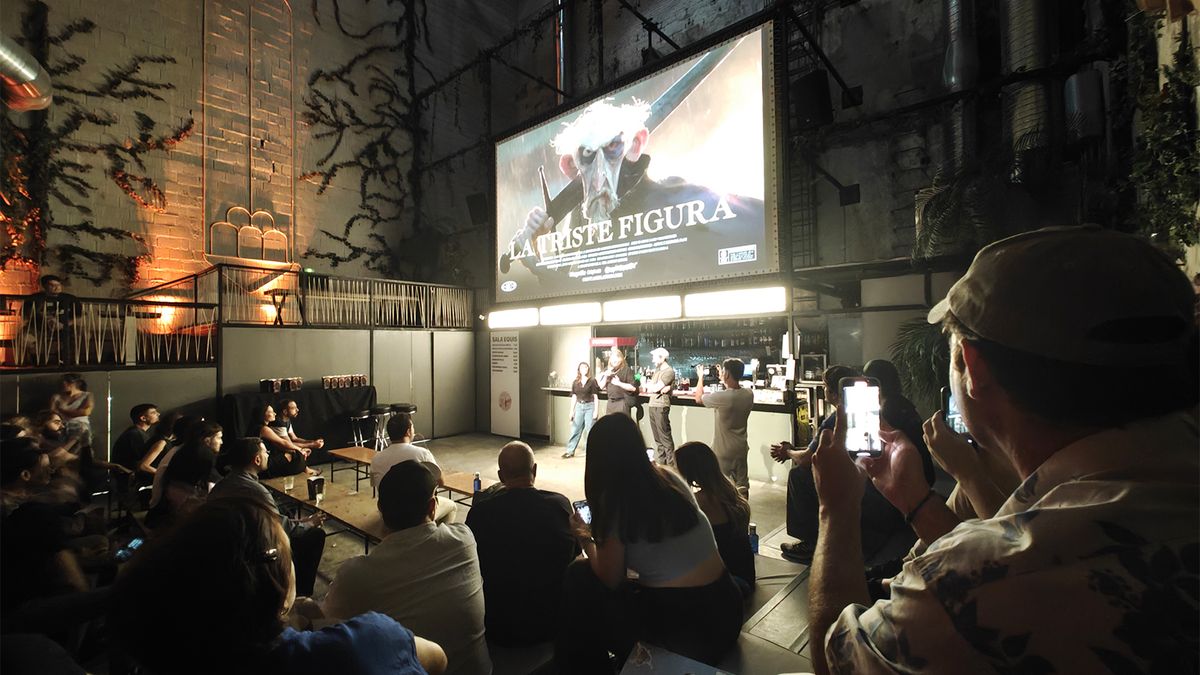
The true test of any film, regardless of its production method, lies in the darkness of a cinema and the reactions of a live audience. La Triste Figura premiered on September 23 at a small art cinema in Madrid, providing a rare opportunity to gauge how viewers engage with AI-generated characters on a narrative level. While AI shorts have long been praised for their ability to generate high-fidelity action and striking visual styles, they often struggle to maintain emotional resonance or comedic timing.
However, the atmosphere in Madrid suggested a breakthrough. Rather than being distracted by the novelty of the technology, the audience responded most strongly to the dialogue and the comedic interplay between Quixote and his faithful squire, Sancho Panza. There was a warmth to the production that many "AI-made" animations lack—a quality that suggests the creators successfully used the tools to enhance, rather than replace, the human touch.
The success of the film’s tone can be traced back to the foundational importance of the script. Javier de la Chica, a long-time devotee of Cervantes’ novel, had spent years conceptualizing an adaptation. For him, AI was not a shortcut, but the key that finally unlocked a project that had previously felt out of reach. By choosing a story as globally recognized as Don Quixote, the directors were able to leverage existing cultural context, allowing them to focus on the specific tone and character dynamics without the need for extensive world-building.
AI can feel like ‘multiplayer’ filmmaking
One of the most striking aspects of La Triste Figura is the way the work was organized. In the current landscape of generative media, there is a prevailing narrative that AI will lead to the era of the solo creator. Miranda and de la Chica took the opposite approach. Coming from the world of professional animation—where production is strictly divided into specialized departments such as storyboarding, lighting, and rendering—they sought to recreate that collective energy within an AI workflow.
The team behind the film fluctuated between ten and thirty people at the peak of production. The directors worked across different cities, utilizing a shared project environment that allowed them to watch each other’s AI generations in real time. De la Chica describes this process as a "multiplayer game," a creative ecosystem where everyone on the team retains a degree of creative control.
This collaborative model is a deliberate rejection of the isolated nature of many AI tools. For these filmmakers, cinema is inherently a collective creation. By integrating various roles, they aimed to find a balance between the efficiency of the software and the nuanced input of human artists. This was the first of their AI projects to include a dedicated storyboard artist and a professional composer, signaling a move toward higher production standards.
Víctor Ponce, the film’s storyboard artist and assistant director, drew the initial frames by hand. This provided a human-designed blueprint that guided the AI, ensuring that the composition and pacing were dictated by artistic intent rather than algorithmic chance. Similarly, screenwriter Álex Rey was brought in to sharpen the jokes, while Arturo Liberos and Juan Rabadán provided the voices for Quixote and Sancho. The decision to use human voice actors was pivotal; early experiments with AI-generated voices were scrapped after the technology struggled with the weight of the characters’ archaic speech patterns.
The Hybrid Workflow: Between Intuition and Chaos
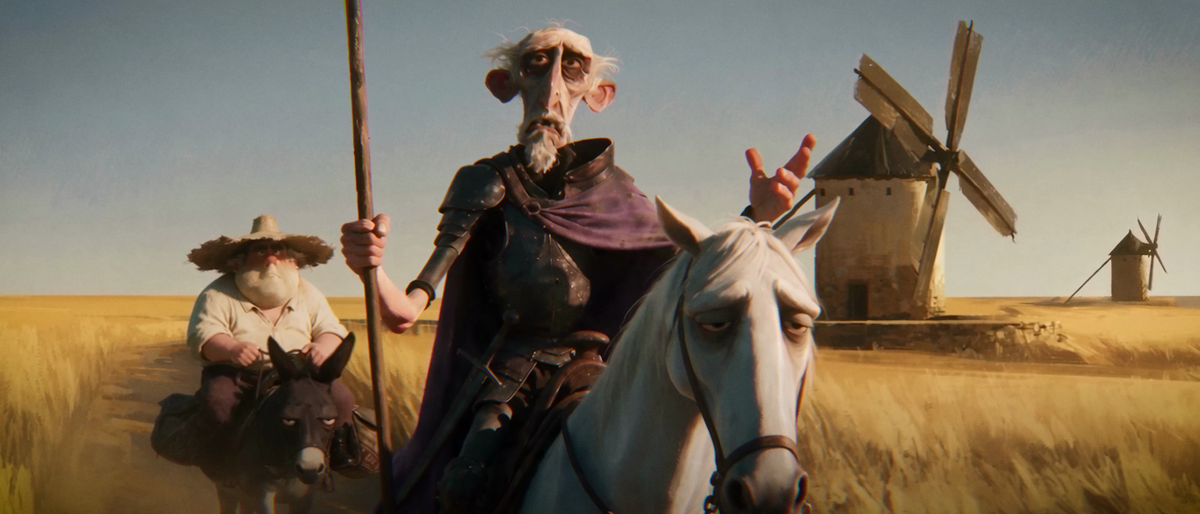
The technical process behind La Triste Figura was a rigorous hybrid of traditional design and AI generation. Before any video was rendered, the team built a comprehensive production design. This included character "turnarounds," expression sheets, costume tests, and combat poses for the giants. They even created group images of Quixote, Sancho, and their respective mounts, Rocinante and the donkey, to lock in the proportions and visual consistency of the cast.
The shots were primarily generated using Seedance 2.5, with assets built in Seedream 5 Pro. The process involved roughly 1,200 generations to produce the 120 shots that made the final cut. Despite the power of the models, the directors noted that a persistent element of chaos remains inherent to the technology. While the AI followed instructions closely, it often produced unexpected results that the directors would then have to navigate during the editing process.
Maintaining consistency was one of the greatest challenges. Because the design of Don Quixote was intentionally asymmetrical, the team could not simply "flip" a successful shot to use in a different composition. Any technical glitch—such as a sword appearing on the wrong side or a cape changing color mid-scene—required the team to start the generation process over from scratch.
This unpredictability forced the animators to "unlearn" many of the instincts they had developed in traditional CG environments. In a standard studio, every movement is calculated to the millimeter. In AI filmmaking, the process is driven more by intuition and the ability to find the "edge" of what the tool can do. Miranda describes their motto as trying to do things "almost good"—pushing the boundaries of the technology until they find the limit, then asking if the story truly requires more.
A Prototype for the Future
Despite the polished look of the final film, Miranda and de la Chica are careful not to overstate the current capabilities of the technology. They do not claim that AI animation is ready to replace the traditional studio workflow, particularly in fields where absolute precision is required, such as medical animation. Instead, they view La Triste Figura as a prototype—a proof of concept for a new way of telling stories.
The economic reality of the project also challenges some common misconceptions about AI. While it is undoubtedly cheaper than a traditional feature-length animation, it is not "free" or accessible to just anyone with an internet connection. High-quality AI filmmaking still requires significant funding, a skilled team, and a deep understanding of cinematic language. However, what it does offer is a way to take creative risks on projects that might otherwise be deemed too expensive or niche by major studios.
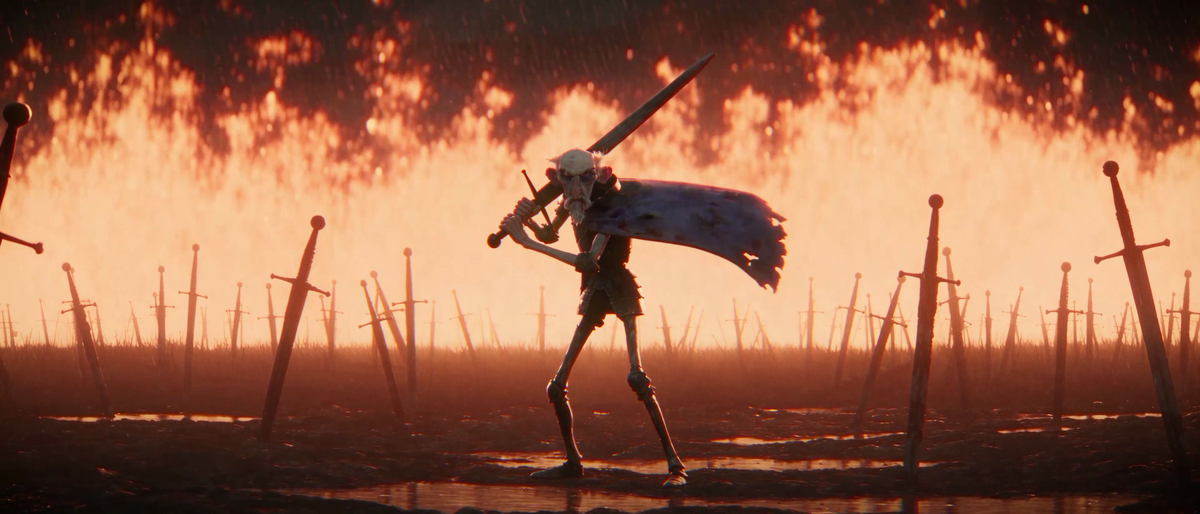
The creators compare the current state of AI filmmaking to the rise of the home music studio. It allows for more direct authorship and enables smaller teams to produce work with high production values. Yet, they remain open about the "shadows" and unease that the technology brings to the industry. The polarization within the animation community is palpable; while some artists are eager to experiment, others fear the technology’s impact on job security and artistic integrity.
Miranda and de la Chica see themselves as explorers in a "fog," trying to find a middle ground where technology serves the story without erasing the artist. They believe that if a new industry is being built, it is vital for creators to have a seat at the table to define how these tools are used.
The Challenge of the Dialogue
Perhaps the most revealing moment of the production was the creation of a five-minute dialogue sequence. While the film features visually complex action shots and impressive landscapes, de la Chica identifies this conversation—set against the backdrop of rotating windmills—as the hardest part to get right.
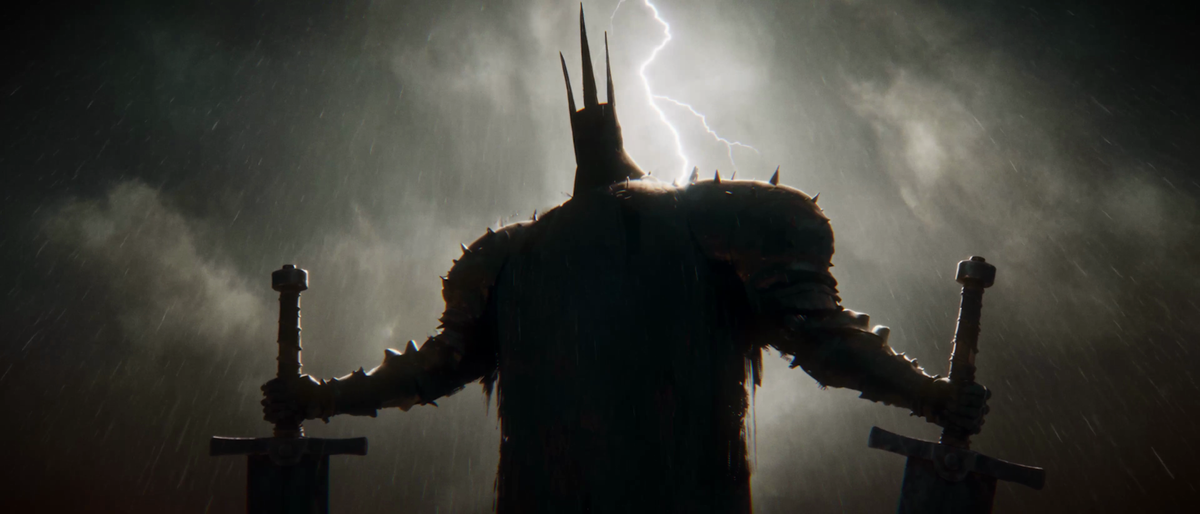
AI models are naturally inclined toward "spectacle"—fast-paced action, flashy effects, and stylistic flourishes. Forcing the software to maintain the subtle nuances of a long conversation between four characters in a consistent environment proved to be an immense hurdle. The windmills themselves became a specific point of frustration; they resisted turning at a constant speed without the image warping or distorting. Eventually, the directors leaned into the "chaos" of the AI, allowing the windmills to behave with a lack of physical realism that actually enhanced the comedic effect of the scene.
This highlights the unique problem-solving nature of AI filmmaking. In traditional animation, a small tweak to a character’s expression might be a simple task, while a shot filled with fire and liquid effects is incredibly costly. In AI, both tasks require roughly the same amount of effort and computing power. This often leads to a "change everything" mentality, where it is sometimes easier to generate an entirely new sequence than to fix a single detail in an existing one.
As La Triste Figura begins its journey to a wider audience on the Magnific platform, it stands as a testament to the enduring power of Cervantes’ creation and the relentless ingenuity of those who seek to adapt it. Miranda and de la Chica have not yet vanquished the "curse" of Don Quixote, but they have shown that even in a world of algorithms and artificial intelligence, the "Sorrowful Figure" still has the power to make us laugh, think, and feel. For these filmmakers, the goal was never to create a "pure AI" film as a technical gimmick, but simply to find a new way to tell an old story—one generation at a time.