This collaborative model is a deliberate rejection of the isolated nature of many AI tools. For these filmmakers, cinema is inherently a collective creation. By integrating various roles, they aimed to find a balance between the efficiency of the software and the nuanced input of human artists. This was the first of their AI projects to include a dedicated storyboard artist and a professional composer, signaling a move toward higher production standards.
Víctor Ponce, the film’s storyboard artist and assistant director, drew the initial frames by hand. This provided a human-designed blueprint that guided the AI, ensuring that the composition and pacing were dictated by artistic intent rather than algorithmic chance. Similarly, screenwriter Álex Rey was brought in to sharpen the jokes, while Arturo Liberos and Juan Rabadán provided the voices for Quixote and Sancho. The decision to use human voice actors was pivotal; early experiments with AI-generated voices were scrapped after the technology struggled with the weight of the characters’ archaic speech patterns.
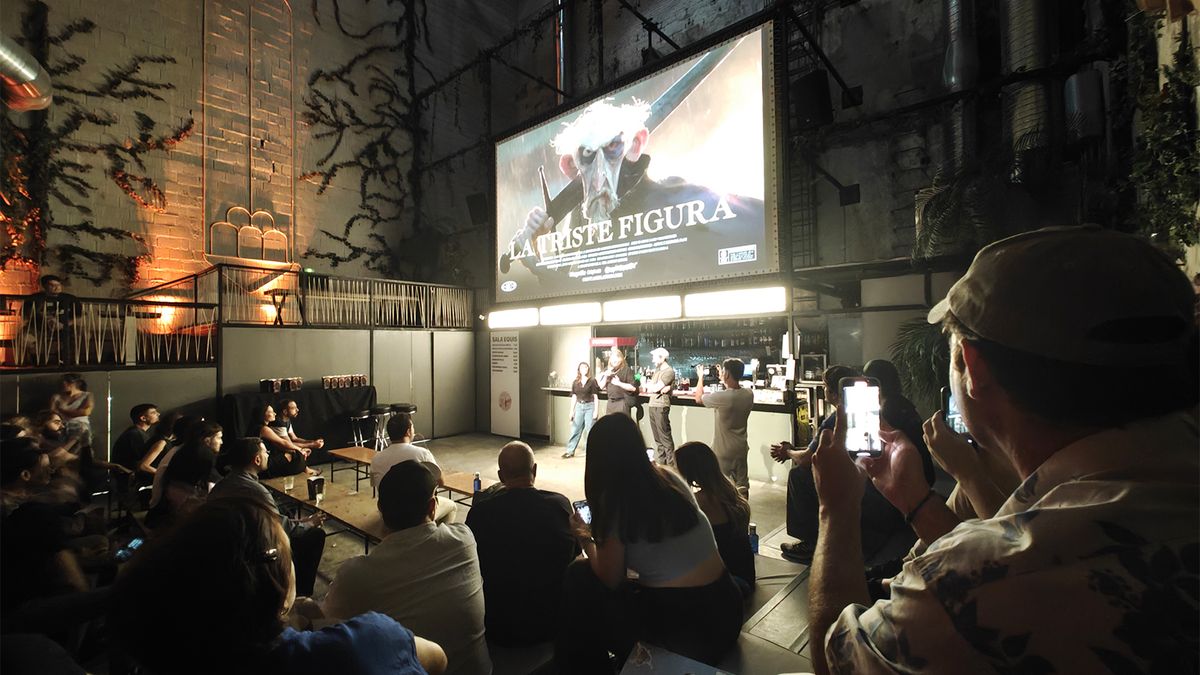
The Hybrid Workflow: Between Intuition and Chaos
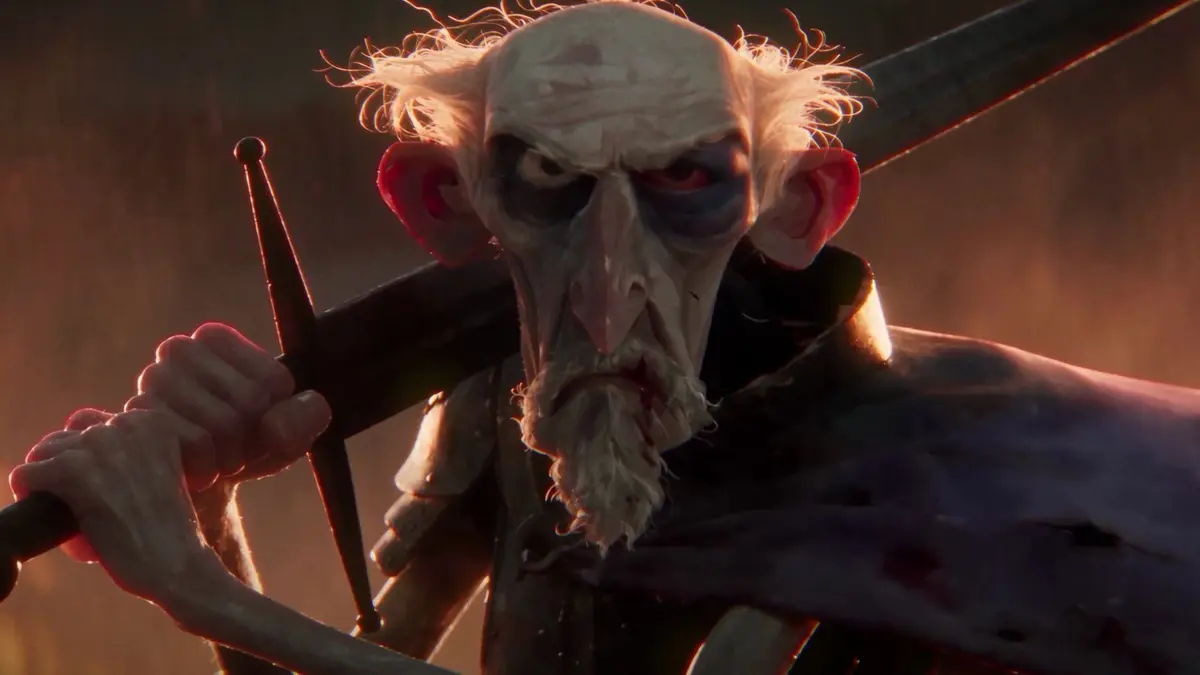
The technical process behind La Triste Figura was a rigorous hybrid of traditional design and AI generation. Before any video was rendered, the team built a comprehensive production design. This included character "turnarounds," expression sheets, costume tests, and combat poses for the giants. They even created group images of Quixote, Sancho, and their respective mounts, Rocinante and the donkey, to lock in the proportions and visual consistency of the cast.
The shots were primarily generated using Seedance 2.5, with assets built in Seedream 5 Pro. The process involved roughly 1,200 generations to produce the 120 shots that made the final cut. Despite the power of the models, the directors noted that a persistent element of chaos remains inherent to the technology. While the AI followed instructions closely, it often produced unexpected results that the directors would then have to navigate during the editing process.
Maintaining consistency was one of the greatest challenges. Because the design of Don Quixote was intentionally asymmetrical, the team could not simply "flip" a successful shot to use in a different composition. Any technical glitch—such as a sword appearing on the wrong side or a cape changing color mid-scene—required the team to start the generation process over from scratch.
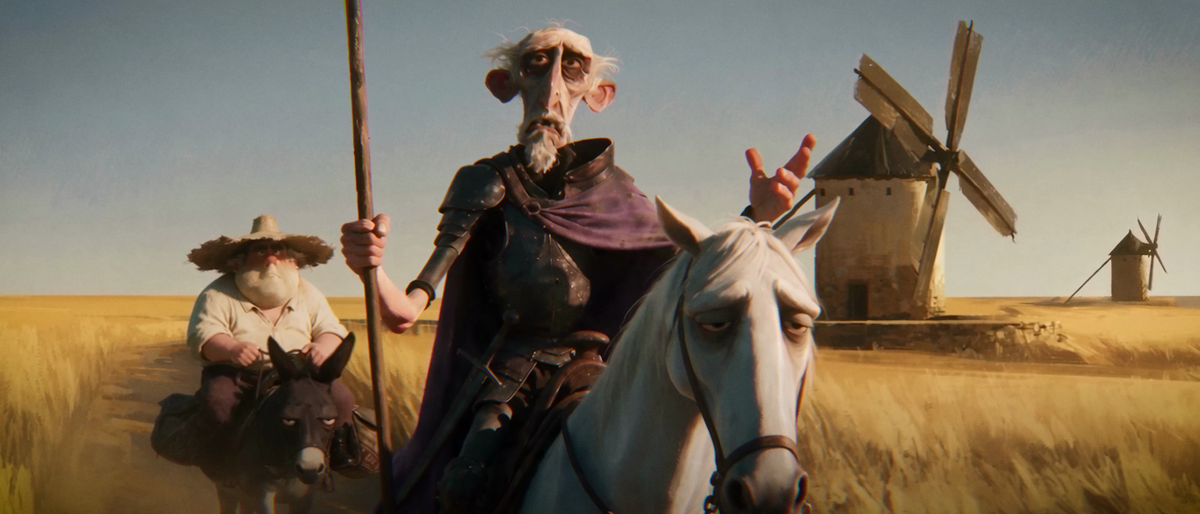
This unpredictability forced the animators to "unlearn" many of the instincts they had developed in traditional CG environments. In a standard studio, every movement is calculated to the millimeter. In AI filmmaking, the process is driven more by intuition and the ability to find the "edge" of what the tool can do. Miranda describes their motto as trying to do things "almost good"—pushing the boundaries of the technology until they find the limit, then asking if the story truly requires more.
A Prototype for the Future
Despite the polished look of the final film, Miranda and de la Chica are careful not to overstate the current capabilities of the technology. They do not claim that AI animation is ready to replace the traditional studio workflow, particularly in fields where absolute precision is required, such as medical animation. Instead, they view La Triste Figura as a prototype—a proof of concept for a new way of telling stories.