In the complex landscape of human sensory perception, the sense of smell often occupies a paradoxical position. While it is frequently overshadowed by sight and hearing in daily discourse, its absence—a condition known as anosmia—can profoundly diminish a person’s quality of life, affecting everything from nutritional habits to emotional well-being. Unlike the delicate and often permanent nature of neurons within the central nervous system, the sensory neurons located within the nasal cavity possess a remarkable, almost unique ability to regenerate throughout a person’s life. Despite being constantly bombarded by environmental hazards, toxins, and pathogens, the nose maintains a sophisticated biological machinery designed to repair and replace damaged tissue.
Now, a pioneering study led by researchers at Tufts University School of Medicine and the Graduate School of Biomedical Sciences (GSBS), in collaboration with international colleagues, has shed new light on the mechanics of this regenerative process. By utilizing a newly devised, three-dimensional model of olfactory tissue, the team has discovered that a specific type of stem cell, long dismissed as largely dormant, actually plays a pivotal role in maintaining the sense of smell. This discovery not only challenges existing biological paradigms but also opens new avenues for treating smell loss caused by aging, environmental exposure, and viral infections such as COVID-19.
The research, recently published in the journal Cell Reports Methods, centers on the interaction between different populations of stem cells within the olfactory epithelium—the specialized tissue inside the nasal cavity responsible for detecting odors. For years, the scientific community focused on a hierarchy of stem cells where one group did the heavy lifting while others remained in reserve. However, the Tufts team has demonstrated a far more integrated and interdependent relationship than previously imagined.
The Dynamics of Nasal Regeneration
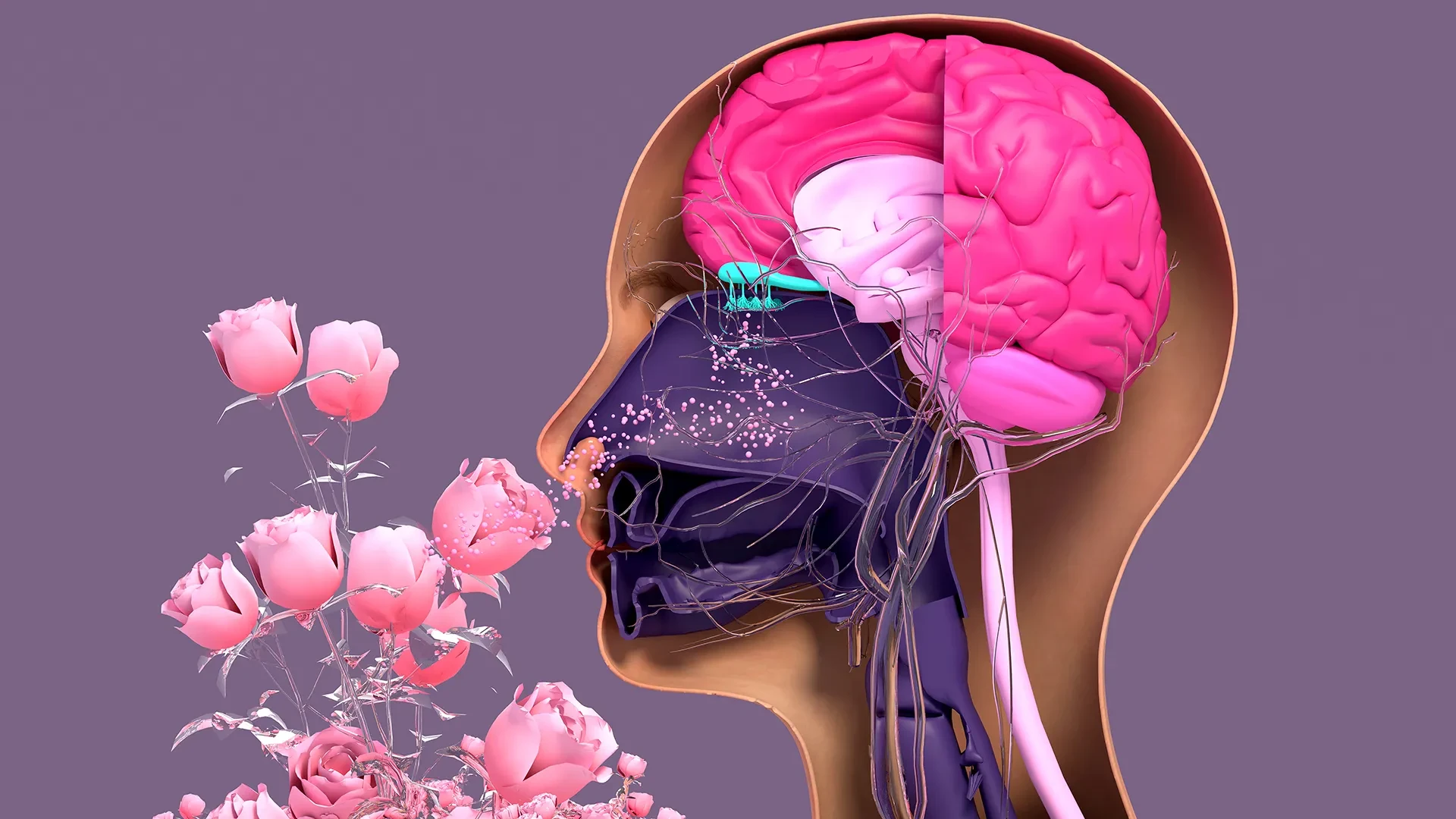
The nasal cavity is a harsh frontier. Because it serves as a primary gateway for the respiratory system, the olfactory sensory neurons are under near-constant assault. Every breath brings the potential for exposure to cigarette smoke, industrial pollutants, allergens, and viruses. In most parts of the nervous system, such sustained trauma would lead to permanent sensory deficits. However, the olfactory system is equipped with a robust regenerative cycle.
Under normal circumstances, this cycle is fueled by stem cells that continuously produce new neurons to replace those that have reached the end of their lifespan or have been damaged. Yet, this process is not infallible. As individuals age, or when they are subjected to severe viral loads or toxic environments, the efficiency of this regeneration wanes. The result can be a partial loss of smell (hyposmia) or a complete loss (anosmia).
To study this process with greater precision, the Tufts researchers developed a three-dimensional olfactory tissue mouse model, commonly referred to as an organoid. Unlike traditional two-dimensional cell cultures, which often fail to replicate the complex architecture and signaling environments of living tissue, these 3D organoids allow scientists to observe how different cell types interact in a space that closely mimics the natural biology of the nose.
The team focused their investigation on two primary types of stem cells found in the nasal lining: horizontal basal cells (HBCs) and globose basal cells (GBCs). Historically, GBCs were viewed as the primary drivers of routine neuronal replacement, while HBCs were categorized as a "reserve" population—dormant cells that only sprang into action following catastrophic injury to the tissue.
The study’s findings, however, suggest that the role of HBCs is far more active and essential than the "dormant" label implies. "Our research suggests that these two stem cells may be interdependent," says Brian Lin, senior author on the study and a research assistant professor in the Department of Developmental, Molecular and Chemical Biology at Tufts. "One type that we thought was largely dormant—HBCs—may actually play a crucial role in supporting the production of new neurons and the repair of damaged tissue."
Identifying the Key Players in the Organoid
Through the use of their 3D organoid model, the researchers were able to peel back the layers of stem cell communication. They identified a specific subpopulation of HBCs that are distinguished by their production of a protein known as KRT5. In the controlled environment of the organoid, these KRT5-producing cells appeared to act as a support system for the generation of new olfactory neurons.
The evidence was particularly striking when the researchers experimented with the composition of the organoids. When these specific HBCs were selectively removed or depleted from the cultures, the entire regenerative process faltered. The generation of new neurons was significantly impaired, proving that the HBCs were not merely waiting in the wings for an emergency, but were active participants in the ongoing health and renewal of the olfactory tissue.
This interdependency between HBCs and GBCs suggests that the health of the "dormant" cell population is just as vital as the health of the "active" population. If the HBCs are compromised, the GBCs cannot effectively carry out the work of creating new sensory neurons. This finding provides a new framework for understanding why the sense of smell might fail to return after certain types of damage; it may not be that the neurons are gone, but that the support system required to rebuild them has been disrupted.
The study also addressed the inevitable decline of sensory function associated with the passage of time. By growing organoids using cells harvested from mice of varying ages, the team was able to observe the aging process in real-time. They found a clear and measurable decline in the ability of cells from older mice to generate new neurons.
"We found a decline in the ability of the older mice cells to generate new neurons," Lin notes. "We think this is due to a decrease in the GBC population as we age, but we need to do more work to test this hypothesis and if so, develop ways to rejuvenate them."
An Easy-To-Use Model
One of the most significant contributions of this study is not just the biological discovery itself, but the tool used to achieve it. The lead author of the study, Juliana Gutschow Gameiro, a former Ph.D. student who visited the Graduate School of Biomedical Sciences at Tufts from the State University of Londrina in Brazil, was instrumental in designing the organoid model.
From the outset, Gameiro and Lin were committed to creating a model that was accessible. In the world of high-tech biomedical research, many advanced models require exorbitant funding, specialized equipment, and highly specific expertise that many labs around the world simply do not possess. Gameiro’s goal was to democratize the study of olfactory regeneration by developing a 3D model that was easy to create even in resource-limited settings.
The timing of this development is critical. While olfactory research was once a relatively niche field, the global COVID-19 pandemic changed the landscape overnight. Sudden and often prolonged loss of smell became a hallmark symptom of the virus, drawing thousands of researchers from various disciplines into the study of the nasal epithelium. Furthermore, loss of smell is increasingly recognized as an early warning sign for neurodegenerative conditions such as Parkinson’s disease and Alzheimer’s disease.
"Because loss of smell is associated with COVID-19, as well as with Parkinson’s disease and other conditions, a much larger number of researchers from a variety of different fields have begun researching olfactory epithelial cells in the last few years," says Lin.
By providing a simplified, cost-effective 3D model, the Tufts team hopes to empower a broader range of scientists to contribute to the field. "We wanted to develop an easy-to-use model so that non-stem cell biologists and those working in labs with limited resources could use it to better understand how olfactory neurons regenerate and what happens that causes that process to diminish or fail completely," Lin explains.
Next Step: A Human Organoid
While the mouse-tissue model has provided invaluable insights into the fundamental biology of the nose, the researchers have their sights set on a more ambitious goal: the creation of a human olfactory organoid.
The transition from animal models to human models is a cornerstone of modern translational medicine. Organoids offer a unique advantage in this regard; they can make the pre-clinical phase of research faster, less expensive, and more ethically sound than traditional animal testing. Perhaps most importantly, human organoids can be used to screen potential drug candidates with a level of accuracy that animal tissues cannot match, as they account for human-specific genetic and molecular factors.
While organoids have been successfully developed for other major organs, including the lungs, kidneys, and brain, the human olfactory system has proven to be a difficult frontier. The primary obstacle is the difficulty of obtaining pure, high-quality tissue samples from living donors.
"It’s challenging to get pure olfactory tissue from humans," Lin explains. The current process for collecting these cells is invasive and technically demanding. It typically involves anesthetizing a patient and using a specialized brush—similar to a long COVID-19 test swab—to reach deep into the uppermost reaches of the nasal cavity.
The challenge does not end with the collection of the sample. Unlike the mouse model, where researchers can more easily isolate specific cell types, human samples collected via nasal brushing are often a mix of respiratory stem cells and olfactory stem cells. In the laboratory, these two types are notoriously difficult to separate, making it hard to grow a "pure" olfactory organoid that accurately reflects the sensory tissue.
The research team’s next major challenge is to refine the techniques used to isolate these human olfactory stem cells. They are working toward a simple, inexpensive method to separate the desired cells and "coax" them into growing into 3D structures in the lab.
If successful, the development of a human olfactory organoid could revolutionize the treatment of anosmia. It would allow clinicians to take a patient’s own cells, grow them into a model in the lab, and test various pharmacological interventions to see which ones effectively stimulate the regeneration of neurons. For the millions of people worldwide suffering from permanent or long-term smell loss, this research represents a significant step toward restoring a sense that is vital to the human experience.