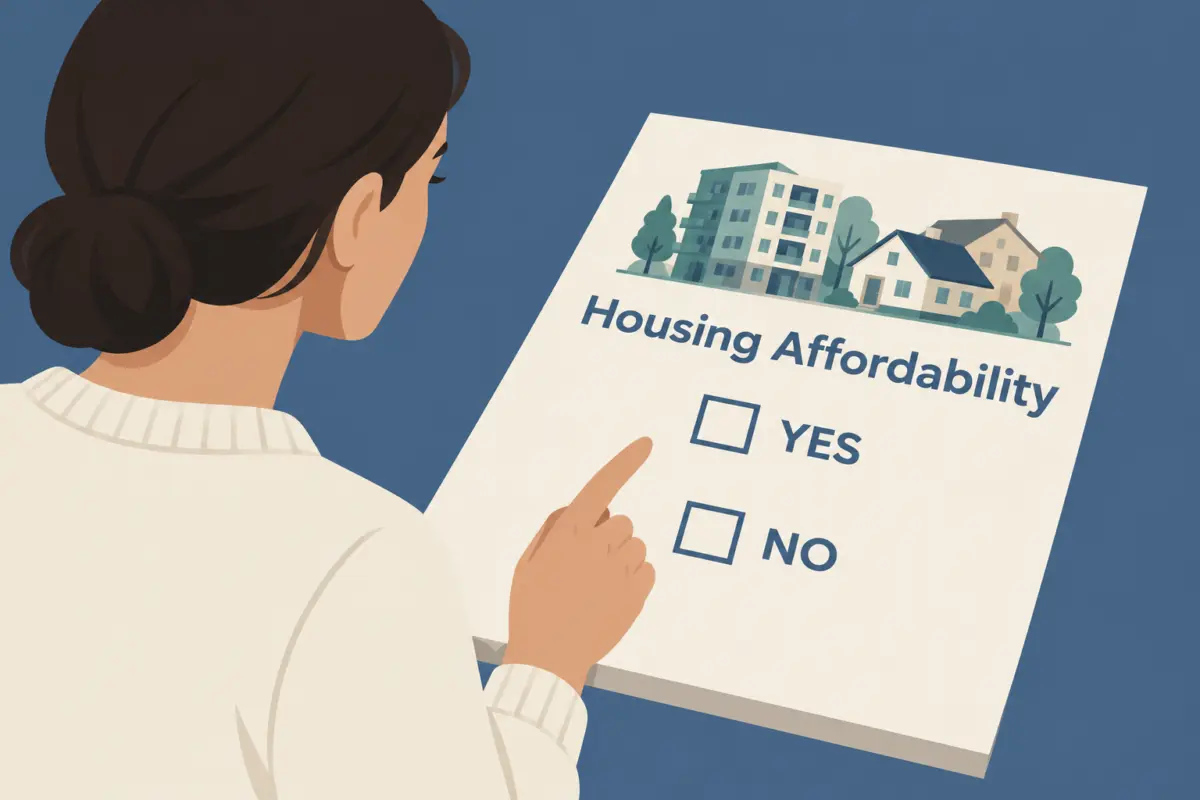
As Americans head to the polls this November, the national conversation has been dominated by the race for the White House and the battle for control of Congress. However, beneath these high-profile contests, a series of critical localized battles are taking place that could fundamentally reshape the landscape of American real estate. In several key states, housing affordability has moved from a talking point in stump speeches to a direct question on the ballot, with voters in California, Florida, and Massachusetts set to decide on measures ranging from zoning reform and permitting speed to property tax exemptions.
These initiatives arrive at a time of unprecedented strain on the housing market. High mortgage rates, a chronic shortage of inventory, and the lingering effects of inflationary pressures have made the "American Dream" of homeownership feel increasingly out of reach for many. While the federal government often sets the tone for economic policy, the mechanics of housing—where homes are built, how quickly they are approved, and how they are taxed—remain largely the province of state and local jurisdictions. This fall, voters are being asked to take the reins of those mechanics directly.
The timing and rules for these decisions vary across the country. In California, where early voting is already well underway, a simple majority is all that is required to pass state propositions. In Florida, constitutional amendments face a much steeper climb, requiring 60% approval to succeed. Massachusetts, meanwhile, presents perhaps the most unique and complex set of hurdles for housing advocates to clear, combining a majority requirement with a specific turnout threshold that could determine the fate of a landmark zoning proposal.
Massachusetts: The Battle Over Minimum Lot Sizes
In Massachusetts, the push for housing reform has centered on Question 7, a measure that advocates describe as a "Legalize Starter Homes" initiative. If approved, the measure would cap minimum lot sizes for single-family homes at 5,000 square feet statewide. This would represent a historic shift; if passed, it would be the first time in United States history that a state’s voters have used a ballot question to override local zoning authorities on minimum lot requirements.
The stakes are particularly high in the Bay State, where local zoning has long been blamed for stifling supply. Currently, more than half of the towns in Eastern Massachusetts require at least an acre of land for a single-family home, and in some affluent suburbs, the requirement stretches to two acres or more. These "large-lot" requirements naturally drive up the cost of new construction, effectively banning the modest, entry-level homes that were once common in the mid-20th century.
However, the path to victory for Question 7 is fraught with procedural challenges. Massachusetts law dictates that for a ballot measure to pass, it must not only receive a simple majority of "yes" votes but those "yes" votes must also equal at least 30% of the total number of ballots cast in the entire election. This means that if a large number of voters cast a ballot for President but skip the questions at the bottom of the page, the measure could fail even if the majority of those who did vote on it supported it.
This "drop-off" effect is a primary concern for housing advocates. Question 7 is buried deep on a crowded ballot, appearing seventh out of nine statewide questions—a number that ties the record for the most questions in Massachusetts history. Voters will already be weary by the time they reach the housing measure, having already weighed in on the repeal of recreational marijuana laws, changes to state gun regulations, reforms to the primary system, and a cap on state revenue growth.
"There’s a significant risk of voter fatigue," said Jesse Kanson-Benanav, executive director of Abundant Housing Massachusetts, in an interview with HousingWire TBD. "The challenge is making sure voters get all the way down to the seventh question and understand what it means for their communities."
To mitigate this risk, the Legalize Starter Homes campaign has raised over $1.7 million, largely funded by real estate groups and housing advocates. They have launched an extensive field operation to educate the public on how smaller lot sizes can lead to more affordable options for young families and seniors looking to downsize.
The proposal itself is targeted. It would apply only to residentially zoned lots that have at least 50 feet of frontage and access to public water and sewer systems. Notably, the city of Boston is excluded from the measure, as the city has already moved forward with its own zoning reform initiatives. Additionally, much of Cape Cod, Nantucket, Martha’s Vineyard, and the Berkshires would be exempt, focusing the impact on the state’s more densely populated and high-demand inland regions.