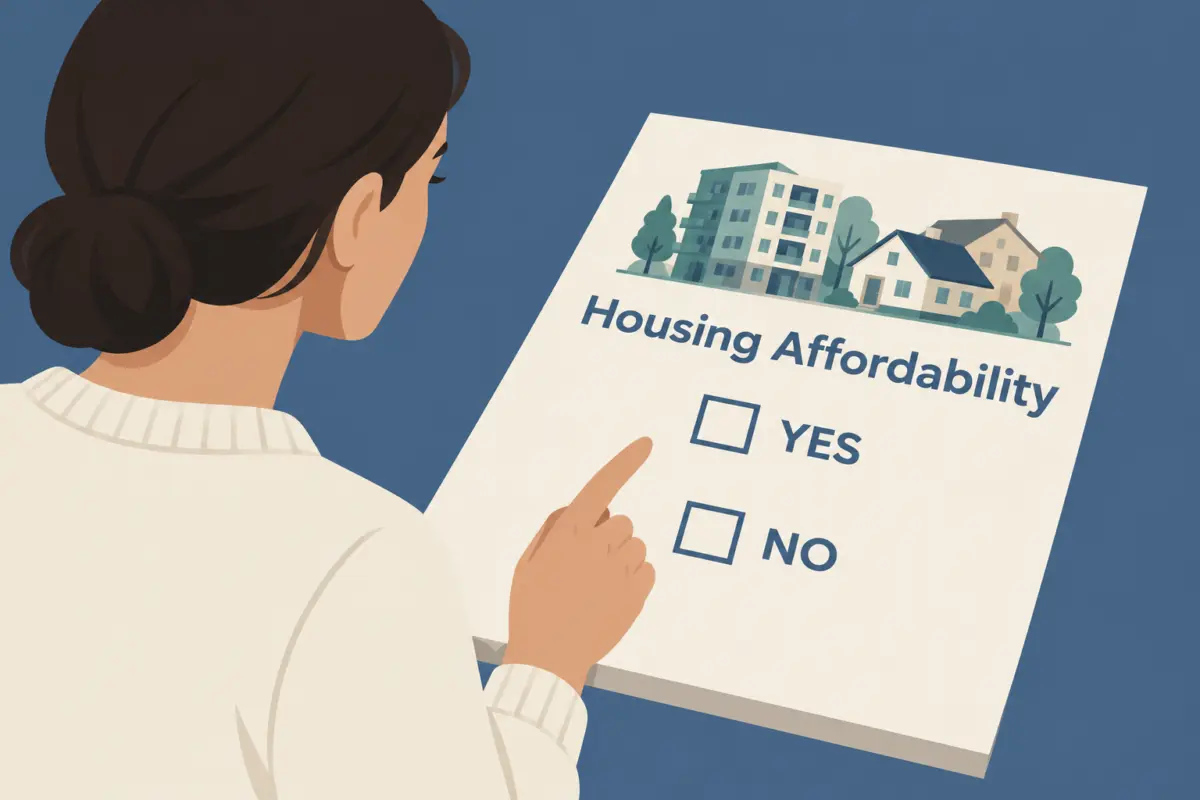
As Americans head to the polls this November, the national conversation has been dominated by the race for the White House and the battle for control of Congress. However, beneath these high-profile contests, a series of critical localized battles are taking place that could fundamentally reshape the landscape of American real estate. In several key states, housing affordability has moved from a talking point in stump speeches to a direct question on the ballot, with voters in California, Florida, and Massachusetts set to decide on measures ranging from zoning reform and permitting speed to property tax exemptions.
These initiatives arrive at a time of unprecedented strain on the housing market. High mortgage rates, a chronic shortage of inventory, and the lingering effects of inflationary pressures have made the "American Dream" of homeownership feel increasingly out of reach for many. While the federal government often sets the tone for economic policy, the mechanics of housing—where homes are built, how quickly they are approved, and how they are taxed—remain largely the province of state and local jurisdictions. This fall, voters are being asked to take the reins of those mechanics directly.
The timing and rules for these decisions vary across the country. In California, where early voting is already well underway, a simple majority is all that is required to pass state propositions. In Florida, constitutional amendments face a much steeper climb, requiring 60% approval to succeed. Massachusetts, meanwhile, presents perhaps the most unique and complex set of hurdles for housing advocates to clear, combining a majority requirement with a specific turnout threshold that could determine the fate of a landmark zoning proposal.
Massachusetts: The Battle Over Minimum Lot Sizes
In Massachusetts, the push for housing reform has centered on Question 7, a measure that advocates describe as a "Legalize Starter Homes" initiative. If approved, the measure would cap minimum lot sizes for single-family homes at 5,000 square feet statewide. This would represent a historic shift; if passed, it would be the first time in United States history that a state’s voters have used a ballot question to override local zoning authorities on minimum lot requirements.
The stakes are particularly high in the Bay State, where local zoning has long been blamed for stifling supply. Currently, more than half of the towns in Eastern Massachusetts require at least an acre of land for a single-family home, and in some affluent suburbs, the requirement stretches to two acres or more. These "large-lot" requirements naturally drive up the cost of new construction, effectively banning the modest, entry-level homes that were once common in the mid-20th century.
However, the path to victory for Question 7 is fraught with procedural challenges. Massachusetts law dictates that for a ballot measure to pass, it must not only receive a simple majority of "yes" votes but those "yes" votes must also equal at least 30% of the total number of ballots cast in the entire election. This means that if a large number of voters cast a ballot for President but skip the questions at the bottom of the page, the measure could fail even if the majority of those who did vote on it supported it.
This "drop-off" effect is a primary concern for housing advocates. Question 7 is buried deep on a crowded ballot, appearing seventh out of nine statewide questions—a number that ties the record for the most questions in Massachusetts history. Voters will already be weary by the time they reach the housing measure, having already weighed in on the repeal of recreational marijuana laws, changes to state gun regulations, reforms to the primary system, and a cap on state revenue growth.
"There’s a significant risk of voter fatigue," said Jesse Kanson-Benanav, executive director of Abundant Housing Massachusetts, in an interview with HousingWire TBD. "The challenge is making sure voters get all the way down to the seventh question and understand what it means for their communities."
To mitigate this risk, the Legalize Starter Homes campaign has raised over $1.7 million, largely funded by real estate groups and housing advocates. They have launched an extensive field operation to educate the public on how smaller lot sizes can lead to more affordable options for young families and seniors looking to downsize.
The proposal itself is targeted. It would apply only to residentially zoned lots that have at least 50 feet of frontage and access to public water and sewer systems. Notably, the city of Boston is excluded from the measure, as the city has already moved forward with its own zoning reform initiatives. Additionally, much of Cape Cod, Nantucket, Martha’s Vineyard, and the Berkshires would be exempt, focusing the impact on the state’s more densely populated and high-demand inland regions.
The political landscape for Question 7 is unusual in its breadth of support. Both Republican gubernatorial candidate Mike Minogue and the incumbent Democrat, Governor Maura Healey, have expressed support for the measure. Despite this, organized opposition exists, though it remains fragmented. The Massachusetts Municipal Association has come out against the measure, arguing it undermines local control, and the state Republican Party officially opposes it, though neither group has yet formed a formal campaign committee to fund an opposition drive.
The measure’s prospects were bolstered recently when the state’s Supreme Judicial Court ordered a controversial rent stabilization measure to be removed from the ballot. Advocates feared that having two competing housing measures would confuse voters and fracture the coalition of supporters. With rent stabilization off the table, the focus of the housing affordability debate in Massachusetts has shifted entirely toward supply and zoning reform.
California: Streamlining the Environmental Review Process
On the opposite coast, California voters are grappling with Proposition 45, a measure aimed at one of the most significant bottlenecks in the state’s development pipeline: the California Environmental Quality Act (CEQA). While CEQA was designed to protect the state’s natural resources, it has frequently been used by opponents of development to delay or block projects through protracted litigation and administrative reviews.
Proposition 45 seeks to impose strict deadlines on these processes. If passed, the measure would generally require state and local agencies to complete full environmental impact reports within 365 business days. Furthermore, it would mandate that the court system resolve any legal challenges to these reports within 270 days. The scope of the measure is broad, covering not only housing but also critical infrastructure projects related to water, energy, education, health, and transportation.
Beyond the deadlines, Proposition 45 would cap public-comment periods, narrow the scope of required tribal consultations, and place new limits on judicial review. Supporters argue these changes are necessary to make the approval process predictable and to lower the costs associated with years of legal uncertainty. They contend that the current system allows "NIMBY" (Not In My Backyard) activists to weaponize environmental law to prevent much-needed housing from being built.
Opponents, however, warn that the measure goes too far, stripping away essential safeguards that protect communities from pollution and poorly planned development. They argue that the shortened timelines will force agencies to rush their reviews, leading to errors and overlooked environmental risks.
The debate has created some unexpected divisions within the housing advocacy community. California YIMBY, one of the state’s most influential organizations pushing for increased housing density, has notably declined to endorse the measure. In a social media announcement, the group stated that while the measure affects housing, its broader impact on non-housing projects led them to remain neutral.
"The measure affects housing, but its broader impact falls on non-housing projects, so we encourage voters to weigh both sides and decide for themselves," the organization posted. This neutrality reflects a tactical shift for the group, which has seen success in the state legislature recently with laws that more narrowly target CEQA reforms specifically for housing.
As early voting continues in California, Proposition 45 remains a focal point for those watching whether the state will prioritize the speed of construction over its long-standing tradition of rigorous environmental oversight.
Florida: The Fiscal Debate Over Property Tax Exemptions
In Florida, the housing affordability conversation has taken a different form, focusing on the financial burden of property taxes rather than the physical constraints of zoning or permitting. Amendment 3 is a proposed constitutional amendment that would significantly increase the state’s homestead exemption.
Under the current system, Florida homeowners receive a $50,000 exemption on the assessed value of their primary residence. Amendment 3 would raise that exemption to $150,000 in 2027 and then to $250,000 in 2028, with future increases indexed to inflation. Additionally, the measure would cut the annual assessment cap on non-homestead properties—such as rental homes and commercial buildings—from 10% to 5%.
On the surface, the measure appears to be a clear win for homeowners looking for relief. However, the proposal has faced a groundswell of opposition as the potential fiscal consequences have come into focus. Because property taxes are a primary source of funding for local governments, economists project that the amendment would result in a $12 billion annual hit to local budgets across the state.
The impact could be catastrophic for smaller municipalities. In Palm Beach County, the county administrator has warned that as many as 10 municipalities within the county could face insolvency if the measure is approved. The fear is that local governments would be forced to either drastically cut essential services—such as police, fire, and road maintenance—or shift the tax burden onto other areas, potentially increasing the costs for renters and businesses.
This fiscal reality has shifted public opinion. A University of North Florida poll conducted in July found that while 61% of voters initially supported the amendment, that support plummeted to 45% once they were informed about the potential impact on local government budgets and services. Because the measure requires a 60% supermajority to pass, these polling numbers suggest it faces an uphill battle.
The primary backer of the measure is Florida Realtors, who argue that the tax relief is necessary to keep homeownership affordable in a state where property values have soared. They contend that the current tax system punishes long-term residents and that the state’s robust economy can weather the shift in revenue.
However, the opposition is broad-based and well-organized, consisting of local government officials, fiscal conservatives worried about municipal debt, and various civic organizations. They argue that the measure provides a short-term benefit to homeowners at the expense of the long-term stability of Florida’s communities.
A National Trend at the Local Level
While the specifics of the measures in Massachusetts, California, and Florida differ, they all reflect a growing national trend: the recognition that the housing crisis cannot be solved through a single policy lever. Whether through the liberalization of zoning in the Northeast, the streamlining of environmental reviews in the West, or the recalibration of tax burdens in the South, states are becoming the laboratories for housing reform.
The outcomes of these ballot questions will serve as a bellwether for the rest of the country. If Massachusetts successfully passes its minimum lot size cap, it could embolden advocates in other states to bypass reluctant legislatures and take zoning reform directly to the people. If California’s Prop 45 fails, it may signal that even in a housing crisis, voters are unwilling to compromise on environmental protections. And in Florida, the fate of Amendment 3 will demonstrate whether the public’s desire for tax relief can be tempered by concerns over the viability of local government.
As the final weeks of the campaign unfold, housing advocates, developers, and local officials alike will be watching these results closely. The decisions made in the voting booth this November will not only impact the residents of these three states but will likely provide the roadmap for the next decade of housing policy in America.