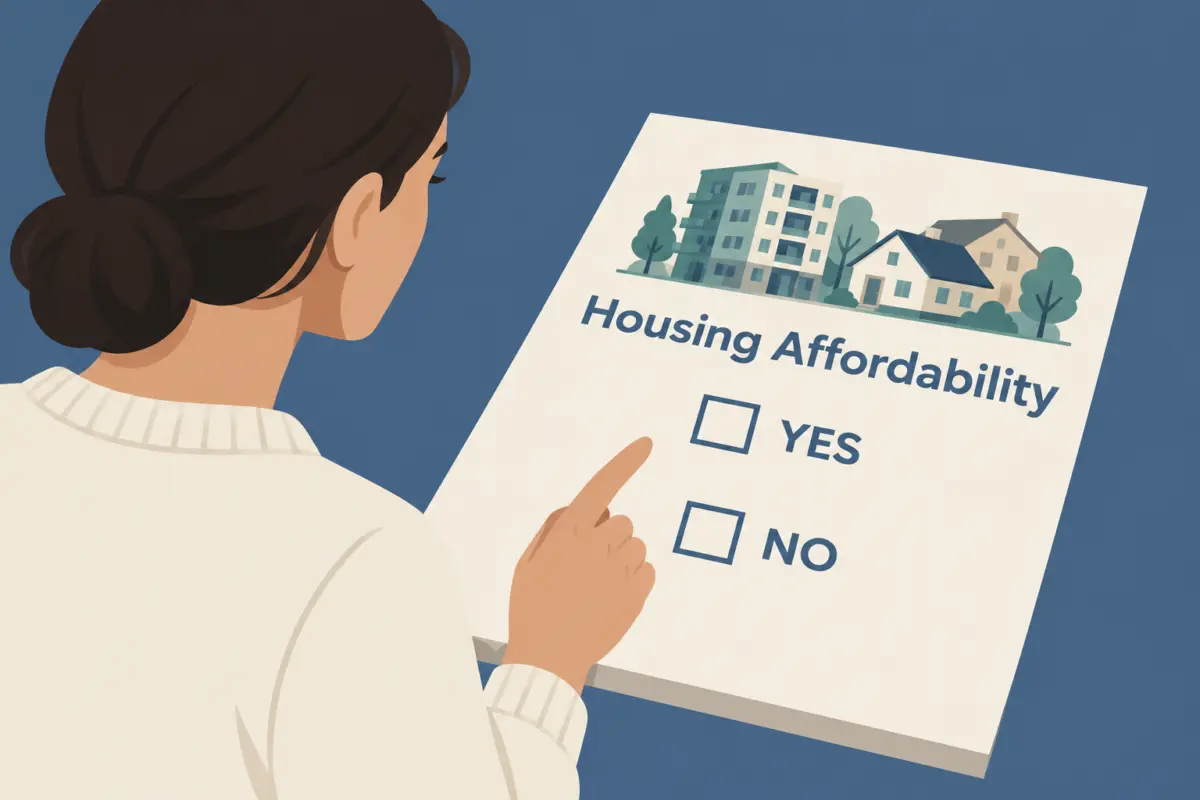
As the United States approaches a pivotal election cycle, the national conversation has been dominated by the cost of living, with housing affordability emerging as a central pillar of voter concern. However, the battle over where and how Americans live is not only being fought in the high-profile races for the White House and Congress. On November 3, voters in three of the nation’s most populous and economically influential states—California, Florida, and Massachusetts—will face direct ballot questions that could fundamentally reshape the landscape of residential development, property taxation, and environmental oversight.
These measures represent a shift toward direct democracy as a tool to bypass legislative gridlock or to force a consensus on issues that local governments have struggled to resolve for decades. From the suburban lots of New England to the coastal reaches of Florida and the regulatory environment of California, the outcomes of these votes will serve as a bellwether for the "Yes In My Backyard" (YIMBY) movement and the broader effort to increase the nation’s housing supply.
While early voting has already commenced in California, voters in Florida and Massachusetts are preparing for their turn at the polls. Each state faces a unique set of thresholds and political hurdles, reflecting the diverse ways in which the housing crisis manifests across the country.
Massachusetts: The Fight to Legalize the "Starter Home"
In Massachusetts, the debate centers on the very physical footprint of the American dream. Question 7 on the statewide ballot seeks to address one of the most significant barriers to entry for first-time homebuyers: minimum lot size requirements. If approved, the measure would establish a statewide cap on minimum lot sizes for single-family homes, effectively "legalizing" the types of smaller, more affordable starter homes that have become increasingly rare in the Commonwealth.
The technical specifics of Question 7 are precise. The measure would cap minimum lot sizes at 5,000 square feet, but only for lots that are zoned for residential use, possess at least 50 feet of frontage, and have access to existing public water and sewer infrastructure. By targeting areas with existing infrastructure, proponents hope to encourage "infill" development—building on vacant or underutilized land within established neighborhoods—rather than contributing to suburban sprawl in undeveloped rural areas.
The geographic scope of the measure is also carefully defined. The City of Boston is excluded from the mandate, as municipal leaders there have already initiated their own localized efforts to increase density and reform zoning. Furthermore, the cap would likely not apply to vast swaths of Cape Cod, the Berkshires, or the islands of Martha’s Vineyard and Nantucket, where public sewer access is often limited or non-existent. However, for the densely populated suburbs of Eastern Massachusetts, the impact could be transformative. Currently, more than half of the towns in Eastern Massachusetts require at least one acre of land for a single-family home, with some municipalities mandating two acres or more. These "snob zoning" laws, as critics often call them, are seen by housing advocates as a primary driver of the state’s sky-high property values.
Despite the clear focus of the measure, its path to victory is complicated by a unique and difficult procedural hurdle. In Massachusetts, a ballot initiative does not simply need a majority of those who vote on the specific question. To pass, the "Yes" votes must also equal at least 30% of the total number of ballots cast in the entire election. This means that if a voter casts a ballot for President but skips the down-ballot housing question, it effectively functions as a "No" vote in the eyes of the 30% requirement.
This procedural quirk is exacerbated by the sheer length of the ballot. Question 7 is the seventh of nine statewide questions, tying a historical record for the most questions ever put before Massachusetts voters in a single election. Advocates are deeply concerned about "voter fatigue"—the tendency for citizens to stop answering questions as they move down a long list.