The relentless pace of the modern news cycle often feels like an exercise in endurance, a sentiment shared by editors and readers alike as the week draws to a close. In the fast-moving world of literary reporting, the landscape can shift in the time it takes to draft a single sentence. This volatility was on full display recently, as breaking developments necessitated last-minute revisions to even the most lighthearted of commentaries. It serves as a reminder that the news simply refuses to pause, even for a moment of levity. As the weekend approaches, offering a much-needed reprieve for those who have spent the last several days tracking the ebbs and flows of global culture, one might look to the animal kingdom for a lesson in persistence. Specifically, the industrious beavers of Poland have recently made headlines for a display of pure, unadulterated resolve. In a moment of supreme irony that captured the internet’s imagination, these beavers reportedly destroyed a government-installed sign that had been erected specifically to warn the public about their presence. It is a fitting metaphor for a week in which the literary world has seen its own signs and boundaries challenged, rewritten, or simply ignored.
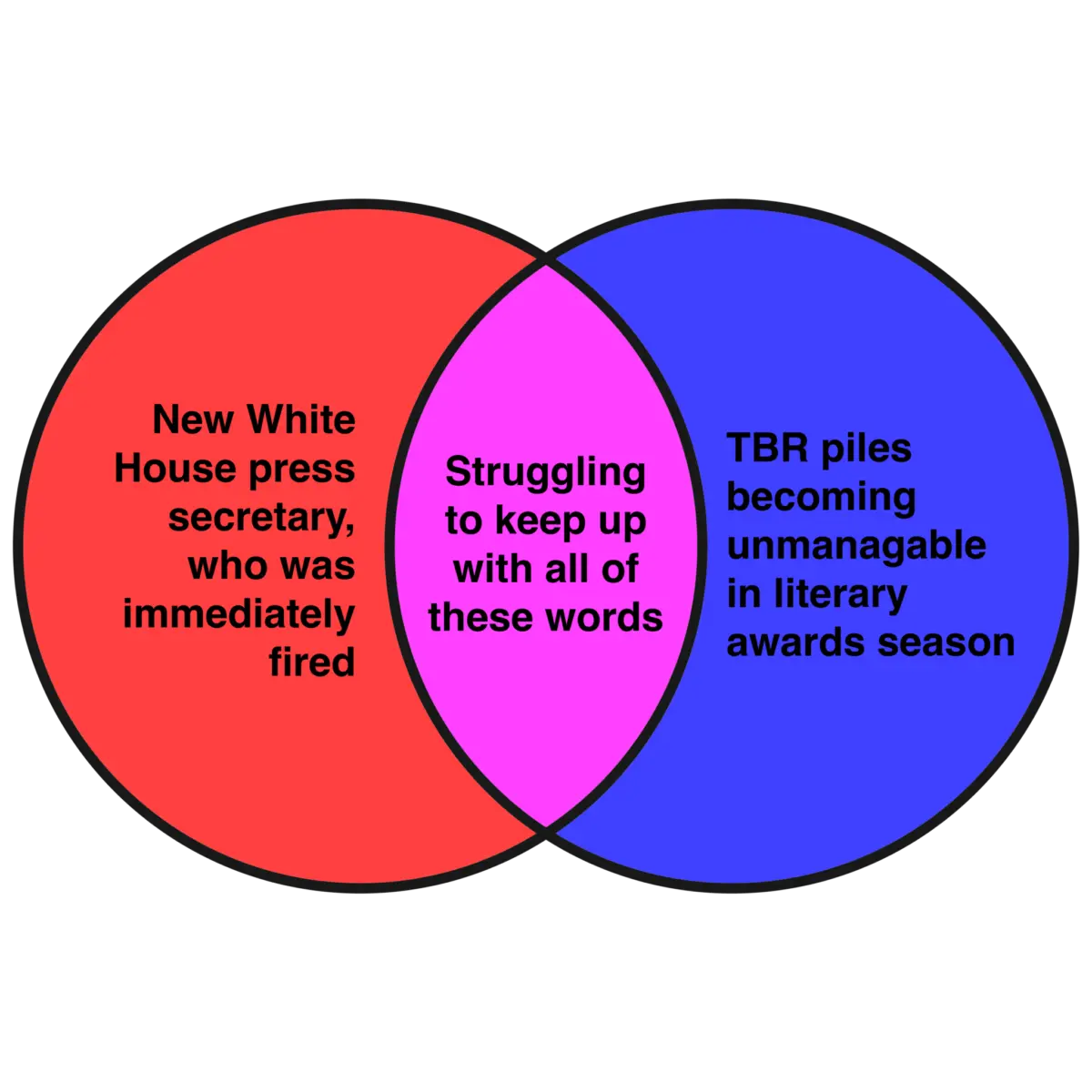
The week began with the high-stakes announcement of the 2026 National Book Awards finalists, an event that remains one of the most significant dates on the American cultural calendar. The National Book Foundation’s selection process is always a subject of intense scrutiny, and this year proved no different. As the longlists were whittled down to the final contenders, the atmosphere in the publishing industry shifted from nervous anticipation to rigorous debate. The finalists across the categories of Fiction, Nonfiction, Poetry, Translated Literature, and Young People’s Literature represent a diverse cross-section of the contemporary zeitgeist, reflecting the complexities of the mid-2020s. To capture the essence of this frenzy, commentators have turned to visual shorthand, utilizing Venn diagrams to illustrate the often-overlapping spheres of literary prestige and the performative nature of public relations. One such diagram compared the role of the awards with that of a high-pressure press secretary, highlighting the delicate balance between maintaining the dignity of the arts and navigating the noisy, often chaotic demands of modern media promotion. The finalist list is not merely a collection of titles; it is a map of the current intellectual climate, and the tension surrounding it underscores how much weight these accolades still carry in an increasingly fractured media landscape.

While the American literary establishment was celebrating its finalists, a far more contentious and legally complex situation was unfolding across the Atlantic. The news that Sally Rooney, the internationally acclaimed Irish novelist, is reportedly facing a situation where she can no longer sell her books in the United Kingdom under the threat of arrest has sent shockwaves through the global writing community. This development marks a startling escalation in the intersection of literature and geopolitical tensions. Rooney has long been known for her firm political stances, often aligning her publishing decisions with her personal ethics. However, the prospect of an author of her stature being effectively barred from one of the world’s largest English-language book markets—and facing legal repercussions—suggests a significant shift in the climate of free expression and commercial distribution.
The situation has sparked a heated discourse regarding the boundaries of cultural boycotts and the legal frameworks that govern international trade and intellectual property. In the spirit of the week’s visual commentary, the "clarkson-rooney" Venn diagram has become a point of reference for those trying to make sense of the polarized British media response. This comparison likely draws a line between the populist, often controversial media presence of figures like Jeremy Clarkson and the high-brow, politically charged literary world of Rooney. It highlights a strange convergence where the mechanics of celebrity, national identity, and legal censorship meet. For readers and booksellers in the UK, the absence of Rooney’s latest work from the shelves is not just a commercial loss but a cultural flashpoint, raising questions about the future of literary autonomy in a world where political alignment can dictate market access.