As the autumn of 2026 settles into the global consciousness, the literary world finds itself at a peculiar and profound crossroads. The week of October 5 through October 9 has emerged as a microcosm of the broader tensions defining contemporary life: the friction between artificial intelligence and human creativity, the weight of historical legacy against the urgency of current political crises, and the persistent effort to find language for identities that refuse to be easily categorized. At the center of this week’s literary discourse is a celebration of the past and a bracing look at a future that feels increasingly uncertain.
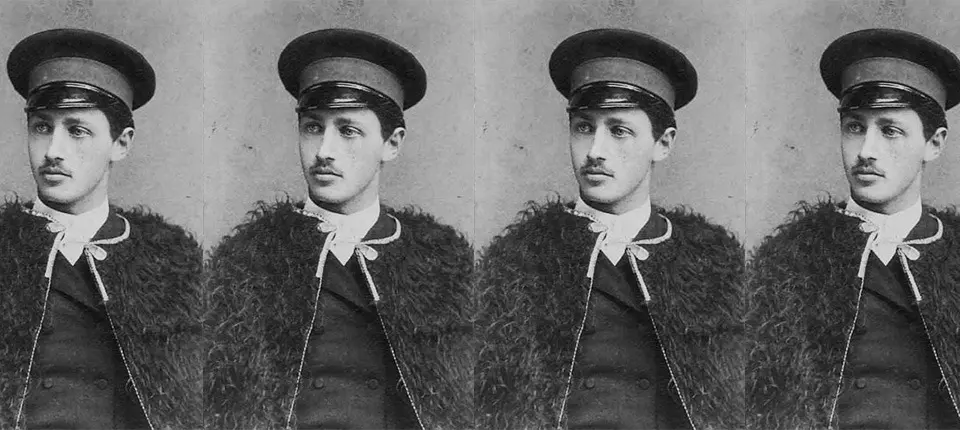
The week began with a significant historical milestone: the anniversary of the birth of Ivan Bunin in 1870. As the first Russian writer to be awarded the Nobel Prize in Literature, Bunin’s legacy remains a cornerstone of prose that prioritizes the sensory, the melancholic, and the deeply human. His inclusion in this week’s highlights serves as more than just a chronological marker; it sets the stage for a recurring theme in the current discourse—the endurance of the human "soul" in the face of displacement and technological advancement. Bunin, who lived much of his life in exile, understood the precarity of the written word, a sentiment that resonates deeply in today’s landscape of global conflict and digital transformation.
THE BEST OF THE LITERARY INTERNET
The defining debate of the current moment centers on the encroachment of artificial intelligence into the creative arts. In an era where generative models can mimic style and structure with unsettling accuracy, the literary community is increasingly vocal about the one element that remains beyond the reach of the algorithm: the writer’s soul. This week, critics and creators alike have argued that while AI can replicate the mechanics of a sentence, it cannot replicate the lived experience, the idiosyncratic grief, or the spiritual "soul" that is forged through human existence. This defense of the intangible is not merely a rejection of technology, but an assertion that literature serves as a building where the human spirit must remain the primary inhabitant.
This search for the "soul" of writing extends into the realm of identity and the evolving nature of language. The discourse surrounding Latinx identity continues to shift, reflecting a community that is far from monolithic. Writers are grappling with the limitations of labels and the necessity of creating a "medicine" through literature that addresses the complexities of heritage and belonging. Similarly, the exploration of trans poetics highlights a fascinating paradox: the "failure" of language to fully capture the nuances of gender "becoming." Rather than viewing this failure as a deficit, contemporary poets are embracing the gaps in language as a space of creative potential, where the inability to be perfectly defined becomes a form of liberation.
The literary week also cast a long look back at the figures who shaped the 20th-century canon, specifically the enduring influence of Sylvia Plath. The preservation of Plath’s legacy has often been a contentious subject, but new insights this week have shed light on the pivotal role played by feminist activist Robin Morgan. Morgan’s influence helped safeguard Plath’s work from being reduced to mere pathology, instead framing it within the broader context of women’s intellectual and creative struggles. This is further complemented by a deep dive into the cycles of life and death that pulse through Plath’s poetry, reminding readers that her work remains a living, breathing entity rather than a static relic of the past.