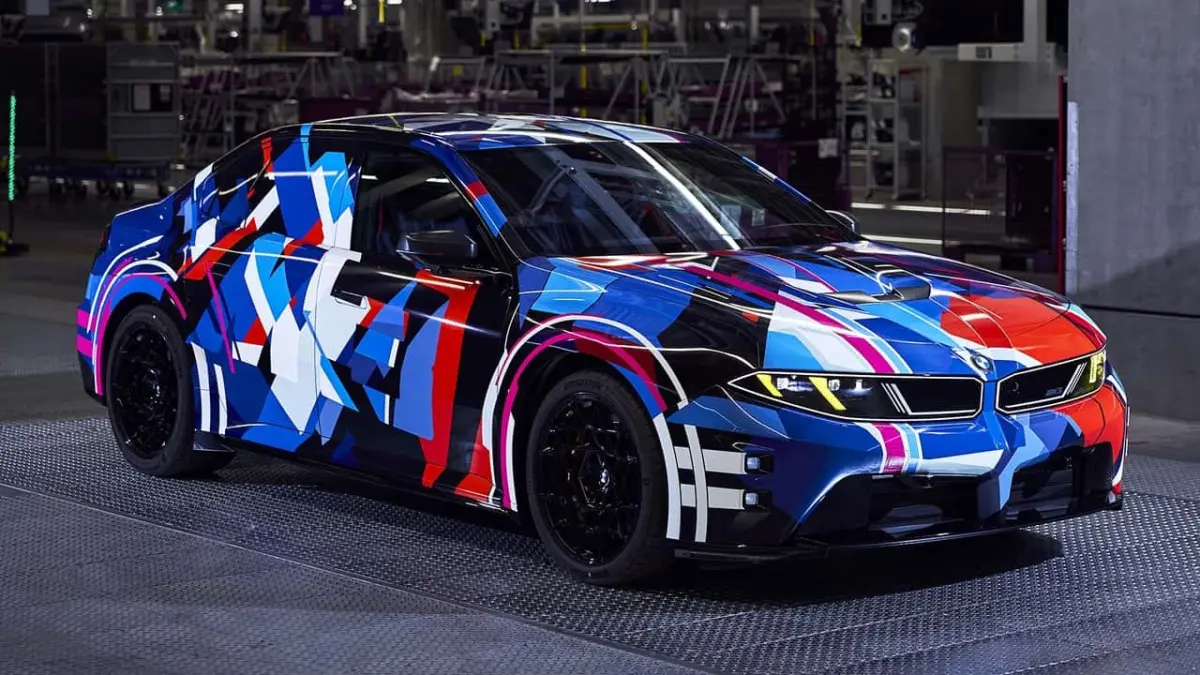
In a moment that serves as both a reflection on a half-century of performance excellence and a bold signal of the era to come, BMW M has officially surpassed the production milestone of one million vehicles. The landmark occasion was commemorated at BMW’s historic home plant in Munich, Germany, where a specially commissioned BMW M3 rolled off the assembly line, draped in the striking and iconic shade of BMW Individual Fire Orange III.
The arrival of the millionth vehicle represents more than just a numerical achievement for the brand’s high-performance subsidiary; it marks the culmination of over 50 years of engineering dedicated to the "M" philosophy. To honor the event, a symbolic ceremony was held at the facility, where Peter Weber, the director of the Munich plant, handed over the keys of the Fire Orange M3 to Frank van Meel, the CEO of BMW M. The event was attended by factory staff and executives alike, providing a rare moment to pause and acknowledge the brand’s trajectory from a niche racing specialist to a global powerhouse in the performance automotive sector.
The choice of the M3 for this milestone was far from accidental. As the quintessential "M" car, the M3 has spent four decades defining the sport sedan segment, serving as the benchmark for competitors and the aspirational goal for enthusiasts worldwide. Finished in a color that evokes the legendary M3 GTS of the E92 generation, the millionth car serves as a bridge between the high-revving internal combustion heritage of the past and the high-voltage technological leap that BMW is currently undertaking.
The Electric M3 Is Coming To Munich
While the one-million-unit milestone offers a chance to celebrate the past, the focus at the Munich plant is already shifting toward a radical transformation. BMW has confirmed that its main production hub will become the primary site for the next-generation, all-electric BMW M3. This move marks a significant departure from tradition, as the M3 will be the first high-performance model to utilize BMW M’s highly anticipated "Neue Klasse" technology.
The "Neue Klasse," or New Class, represents a fundamental shift in how BMW designs and builds vehicles. Unlike the current models, which often share architectures between internal combustion and electric variants, the Neue Klasse is an EV-first platform designed to maximize the benefits of electric propulsion, including improved packaging, higher energy density, and advanced software integration. The upcoming electric M3 will be the second model from this new era to be assembled in Munich, following shortly after the launch of the all-electric BMW i3 sedan.
The decision to keep M3 production in Munich is deeply rooted in the relationship between the vehicle and the workforce. The current G80 generation of the M3 began its production run at the site in 2020, and according to Peter Weber, the bond between the car and the employees who assemble it is a point of pride for the facility. However, maintaining this relationship requires a massive logistical and structural overhaul of the plant itself.
By 2027, the Munich plant—one of the oldest in BMW’s network—is slated to produce exclusively electric vehicles. To facilitate this transition, BMW is funneling an investment of approximately €650 million into the site. This capital is being used to modernize nearly one-third of the entire plant’s footprint. The upgrades include a brand-new body shop, a completely redesigned assembly area, and a total reorganization of the logistics facilities to accommodate the specific needs of EV battery and motor integration.
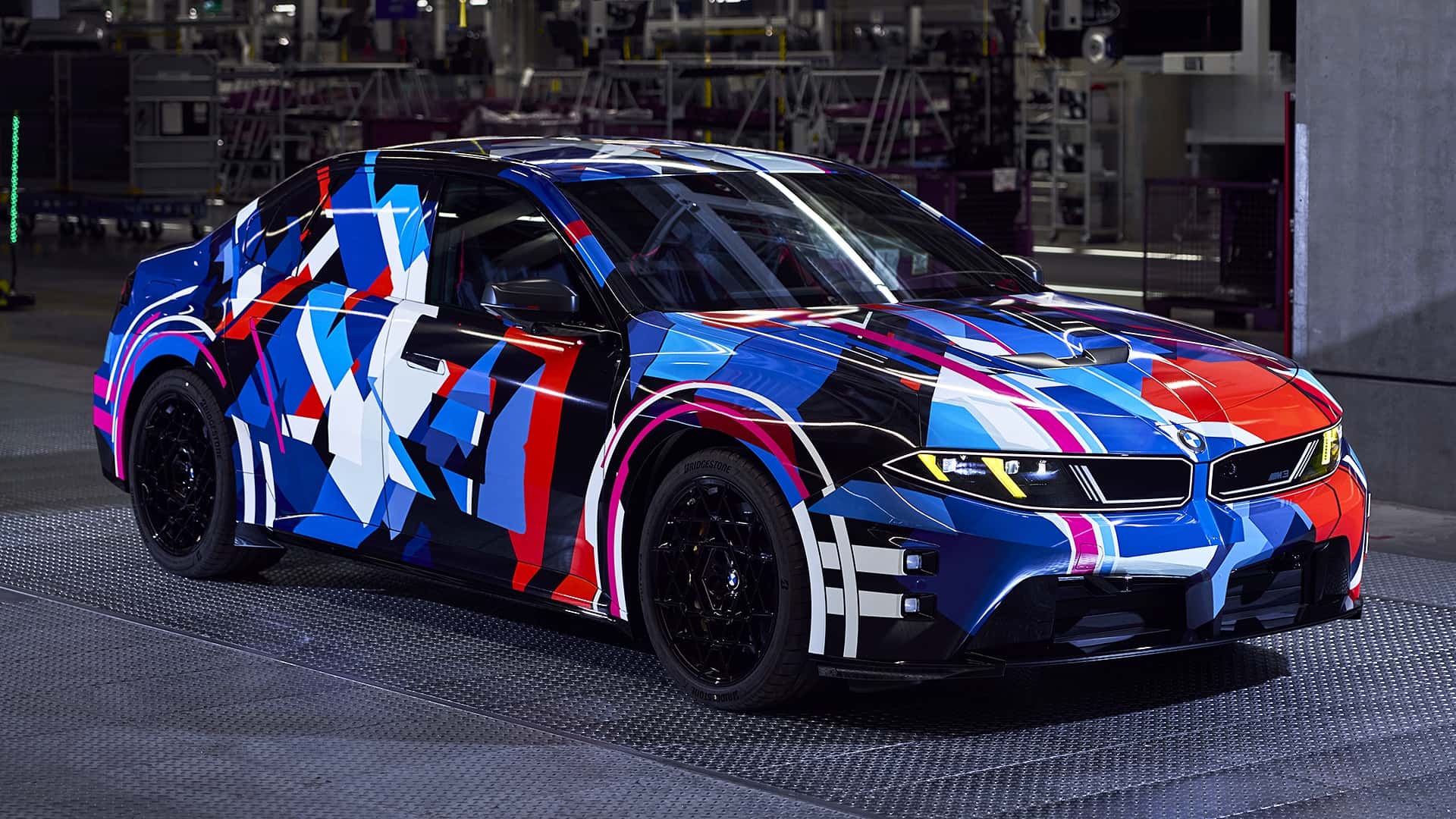
Perhaps most impressively, BMW has stated that this massive transformation is being carried out without halting current production. The factory continues to churn out internal combustion and hybrid models alongside the construction crews and engineers who are laying the groundwork for the 2027 deadline. This "open-heart surgery" on the manufacturing line ensures that BMW can meet current demand for its high-performance cars while preparing for a future where the roar of the inline-six is replaced by the hum of high-performance electric motors.
BMW Is Getting Ready For A Very Different M3
For many purists, the transition of the M3 to an all-electric powertrain is a seismic shift. Since its debut in 1986, the M3 has been defined by its engines—from the high-strung four-cylinder of the E30 to the screaming V8 of the E90 and the twin-turbocharged straight-sixes of the modern era. However, Frank van Meel remains adamant that the core identity of the M brand will remain intact, regardless of the energy source.
According to van Meel, reaching the one-million-vehicle milestone is a testament to the enduring appeal of the M philosophy: the seamless combination of track-ready capability and everyday usability. This "dual-character" nature is what has allowed BMW M to grow its customer base over the last 40 years. The challenge now is to translate those characteristics—steering precision, chassis balance, and emotional engagement—into a vehicle powered by batteries.
The upcoming electric M3 is expected to be the most technologically advanced vehicle in the brand’s history. By leveraging the Neue Klasse architecture, BMW M engineers are working on a quad-motor setup that could offer unprecedented levels of torque vectoring and handling dynamics. The goal is to ensure that the electric M3 does not just feel like a fast EV, but specifically like an M3. This involves developing sophisticated control systems that can manage power delivery at each wheel with a level of granularity that was never possible with a mechanical differential and a combustion engine.
The transition to Neue Klasse also coincides with a broader streamlining of the BMW lineup. As the company prepares for the next decade, it is making difficult decisions to phase out certain powertrains and models to make room for new electric sports sedans and larger SUVs. In Europe, the brand has already begun trimming the diesel 3 Series offerings, signaling that the "Power of Choice" strategy is gradually narrowing toward a future dominated by electrification.
The roadmap for the Munich plant is clear. The facility will spend the next few years as a hybrid hub, producing the final iterations of the internal combustion M3 alongside the first wave of Neue Klasse vehicles. But once the clock strikes 2027, the factory that once defined the peak of German piston-engine engineering will become a temple to the electric future.
As the Fire Orange M3 was driven off the stage at the Munich ceremony, it served as a vivid reminder of what BMW M has achieved. One million cars is a milestone that few performance divisions ever reach, and it validates the brand’s decision to bring motorsport-inspired engineering to the masses. Yet, the real test lies ahead. The upcoming electric M3 will be the clearest sign yet of whether BMW can maintain its status as the "Ultimate Driving Machine" in a world without gasoline.
If the engineers in Munich can successfully marry the instant torque and low center of gravity of an EV with the soul and agility of the M3 nameplate, the next million vehicles might be even more impactful than the first. The milestone reached this week is not just an end to a chapter; it is the prologue to a very different, and potentially very exciting, era for BMW M.