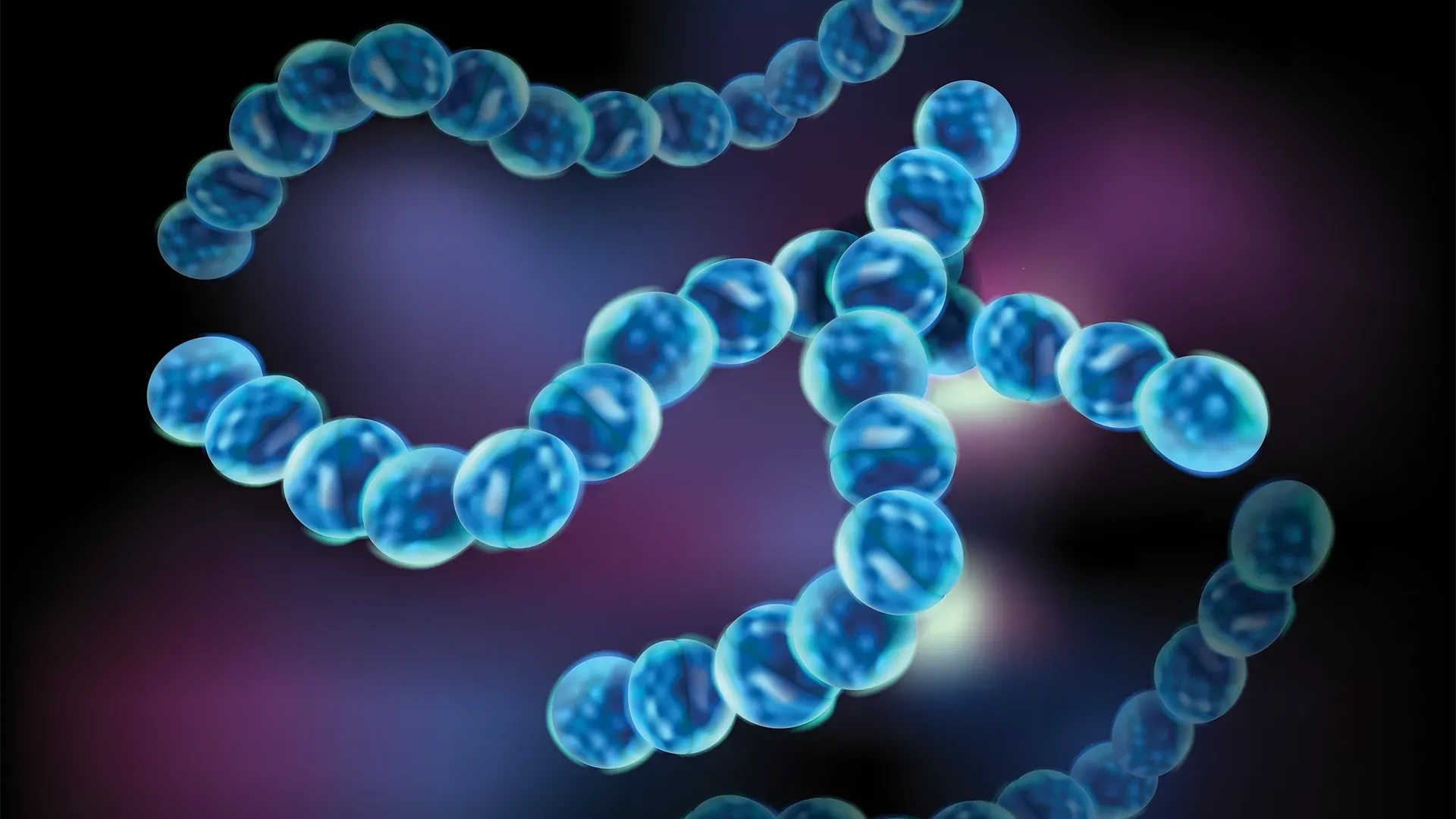
In a significant advancement for the field of biomedical engineering, researchers have successfully harnessed the remarkable properties of a protein responsible for the incredible jumping power of fleas to solve one of modern medicine’s most persistent challenges: surgical site infections. A collaborative study led by RMIT University in Australia has demonstrated that coatings derived from resilin-mimetic proteins can effectively "boot out" bacteria, providing a potential 100% shield against the colonization of medical implants.
The study, which represents the first reported use of resilin-based antibacterial coatings to entirely block bacterial attachment to a surface, offers a promising alternative to traditional antibiotics. By creating a physical and electrostatic barrier, the material prevents the formation of biofilms—complex communities of bacteria that are notoriously difficult to treat once they take hold on an implanted device.
The Growing Threat of Implant Infections
The necessity for such a breakthrough is underscored by the rising global crisis of antibiotic resistance. In modern clinical settings, even the most stringent sterilization protocols and infection control measures cannot always prevent bacteria from entering the body during or after surgery. When bacteria settle on a medical implant—whether it be a prosthetic joint, a cardiac pacemaker, or a simple catheter—they can quickly multiply and form a protective layer known as a biofilm.
Once a biofilm is established, the bacteria within it become significantly more resistant to both the body’s immune system and external antibiotic treatments. This often results in chronic infections that may necessitate additional surgeries to remove and replace the infected implant, placing a massive burden on both patients and healthcare systems.
Professor Namita Roy Choudhury, the lead author of the study and a researcher at RMIT University, emphasized that this finding is a critical step toward the development of "smart surfaces." These surfaces are designed to proactively stop dangerous pathogens, including the much-feared Methicillin-resistant Staphylococcus aureus (MRSA), from gaining a foothold on medical devices.
"This work shows how these coatings can be adjusted to effectively fight bacteria—not just in the short term, but possibly over a long period," Choudhury said. She noted that the push toward self-sterilizing materials has been accelerated by the diminishing efficacy of traditional drugs. "Antibiotic resistance has prompted greater interest in the area of self-sterilising materials and easy preparation of antibacterial surfaces. Therefore, we designed this surface to completely prevent the initial attachment of the bacteria and biofilm formation to decrease the infection rates."
Resilin to the Rescue
The secret to this new coating lies in resilin, a specialized protein found in the cuticles of many insects. Resilin is widely regarded by biologists as one of the most efficient elastic materials in the natural world. It is what allows a flea to store and release energy with such speed that it can leap over a hundred times its own height in a matter of microseconds. However, beyond its mechanical "bounce," resilin possesses a suite of properties that make it an ideal candidate for medical applications: it is extremely resilient, durable, and, crucially, biocompatible.
"These exceptional properties and non-toxic nature make resilin and resilin-mimetic proteins ideal for many applications requiring flexible, durable materials and coatings," Choudhury explained. While the protein has previously been explored for use in tissue engineering, drug delivery systems, flexible electronics, and even high-performance sports equipment, the RMIT-led study is the first to document its performance as a potent antibacterial coating.
To test the material’s efficacy, the research team engineered several variations of coatings using resilin-mimetic proteins—synthetic versions of the protein designed to mimic its natural counterparts. They then observed the interaction between these coatings and two very different types of biological matter: E. coli bacteria and human skin cells.
The results were stark. The team discovered that when the altered proteins were applied in a specific nano-droplet form known as coacervates, they were 100% effective at repelling the bacteria. Perhaps more importantly for medical use, the material did not harm human cells. Instead, it integrated seamlessly with healthy skin cells, a vital requirement for any material intended to remain inside the human body for extended periods.
Dr. Nisal Wanasingha, a lead author from RMIT, explained that the secret to the coating’s success lies in the physics of its surface. The nano-droplets provide a high surface area that maximizes the opportunity for interaction with microscopic threats.
"Once they come in contact, the coating interacts with the negatively charged bacterial cell membranes through electrostatic forces," Wanasingha said. "This disrupts their integrity, leading to leakage of cellular contents and eventual cell death."
This mechanical and electrostatic method of killing bacteria is a significant departure from how antibiotics work. Because the resilin coating physically destroys the bacterial membrane rather than interfering with a specific biological pathway, it is much harder for bacteria to evolve a defense against it.
"Unlike antibiotics, which can lead to resistance, the mechanical disruption caused by the resilin coatings may prevent bacteria from establishing resistance mechanisms," Wanasingha added. Furthermore, because the material is protein-based, it avoids the environmental and toxicity concerns associated with other antibacterial alternatives, such as silver nanoparticles, which can sometimes have adverse effects on human tissue or the environment.
A Versatile Solution for Clinical Settings
The potential applications for this technology are vast. Because the protein-based coating can be applied in various forms, researchers envision it being used as a spray for surgical instruments, a permanent coating for orthopedic implants, or a protective layer for catheters and wound dressings.
The versatility of the material is one of its most promising attributes. Professor Naba Dutta, a study co-author, noted that resilin-mimetic proteins are highly responsive to their environment. This "stimuli-responsive" nature means the material could potentially be "tuned" to react to specific triggers, such as changes in pH or temperature, which often occur at the site of an emerging infection.
"These early results are very promising as a new way to help improve infection control in hospitals and other medical settings," Dutta said. However, he cautioned that while the lab results are a landmark achievement, the journey from the laboratory bench to the hospital bedside involves several more hurdles.
Next Steps and Scaling Up
The research team is now looking toward the next phase of development, which involves testing the resilin coatings against a much broader spectrum of harmful bacteria and fungi. They also plan to enhance the coating’s potency by incorporating antimicrobial peptide segments during the synthesis process, creating a multi-layered defense system against pathogens.
Transitioning to clinical use will also require the team to prove the formula’s long-term stability and ensure that the production process can be scaled up efficiently. "Future work includes attaching antimicrobial peptide segments during recombinant synthesis of resilin-mimics and incorporating additional antimicrobial agents to broaden the spectrum of activity," Dutta explained. "Transitioning from lab research to clinical use will require ensuring the formula’s stability and scalability, conducting extensive safety and efficacy trials, while developing affordable production methods for widespread distribution."
The success of this project was the result of a massive collaborative effort involving several leading scientific institutions. The study was conducted in partnership with the ARC Centre of Excellence for Nanoscale BioPhotonics and the Australian Nuclear Science and Technology Organisation (ANSTO). To analyze the molecular interactions of the proteins, the researchers utilized the state-of-the-art facilities at ANSTO’s Australian Centre for Neutron Scattering, as well as RMIT University’s Micro Nano Research Facility and Microscopy and Microanalysis Facility.
The research was supported by the Australia India Strategic Research Fund and the Australian Research Council, with additional support from the Australian Institute of Nuclear Science and Engineering through a Postgraduate Research Award granted to the team.
As the medical community continues to grapple with the decline of effective antibiotics, the ability to engineer surfaces that naturally repel infection could represent a paradigm shift in surgical safety. By looking to the unique evolutionary adaptations of insects, these researchers may have found a way to make the next generation of medical implants not just functional, but inherently self-protecting.