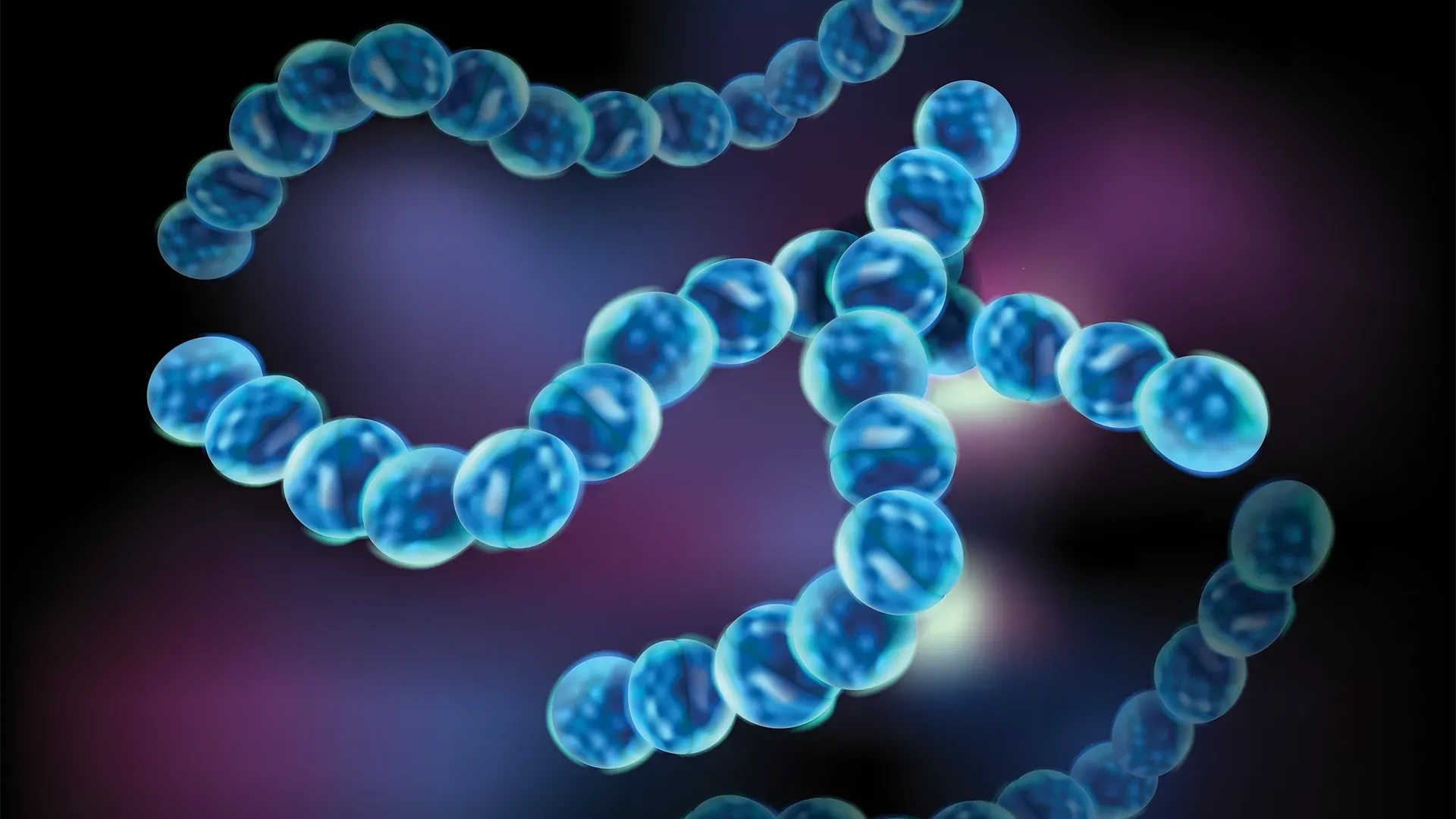
To test the material’s efficacy, the research team engineered several variations of coatings using resilin-mimetic proteins—synthetic versions of the protein designed to mimic its natural counterparts. They then observed the interaction between these coatings and two very different types of biological matter: E. coli bacteria and human skin cells.
The results were stark. The team discovered that when the altered proteins were applied in a specific nano-droplet form known as coacervates, they were 100% effective at repelling the bacteria. Perhaps more importantly for medical use, the material did not harm human cells. Instead, it integrated seamlessly with healthy skin cells, a vital requirement for any material intended to remain inside the human body for extended periods.
Dr. Nisal Wanasingha, a lead author from RMIT, explained that the secret to the coating’s success lies in the physics of its surface. The nano-droplets provide a high surface area that maximizes the opportunity for interaction with microscopic threats.
"Once they come in contact, the coating interacts with the negatively charged bacterial cell membranes through electrostatic forces," Wanasingha said. "This disrupts their integrity, leading to leakage of cellular contents and eventual cell death."
This mechanical and electrostatic method of killing bacteria is a significant departure from how antibiotics work. Because the resilin coating physically destroys the bacterial membrane rather than interfering with a specific biological pathway, it is much harder for bacteria to evolve a defense against it.
"Unlike antibiotics, which can lead to resistance, the mechanical disruption caused by the resilin coatings may prevent bacteria from establishing resistance mechanisms," Wanasingha added. Furthermore, because the material is protein-based, it avoids the environmental and toxicity concerns associated with other antibacterial alternatives, such as silver nanoparticles, which can sometimes have adverse effects on human tissue or the environment.
A Versatile Solution for Clinical Settings
The potential applications for this technology are vast. Because the protein-based coating can be applied in various forms, researchers envision it being used as a spray for surgical instruments, a permanent coating for orthopedic implants, or a protective layer for catheters and wound dressings.