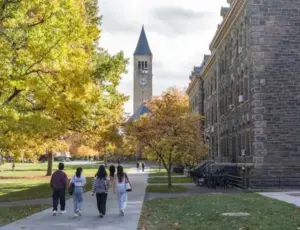
At MIT, Kimberly Allen, the executive director of media relations, described the Labor Department’s subpoena as “very broad” and noted that the university is currently in the process of reviewing the document. Allen pointed out that the U.S. government itself is responsible for vetting every individual who receives a J-1 visa, implying that any systemic issues with the program should be addressed at the regulatory level rather than through punitive measures against universities. She reiterated the importance of attracting top global talent, describing it as a "national strength" and a "competitive advantage" that should be supported by the government rather than curtailed.
Stanford University echoed these sentiments, with a spokesperson stating that the university complies with all applicable visa laws and intends to cooperate with the federal investigation. The University of California, Davis, the University of Pittsburgh, Harvard, Yale, and Caltech did not immediately provide detailed rebuttals, though the general sentiment from the academic community suggests a mounting concern that the investigation is politically motivated or based on a misunderstanding of how high-level research is conducted in the 21st century.
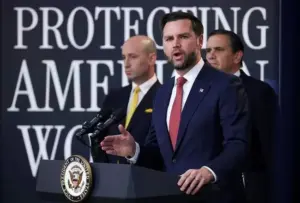
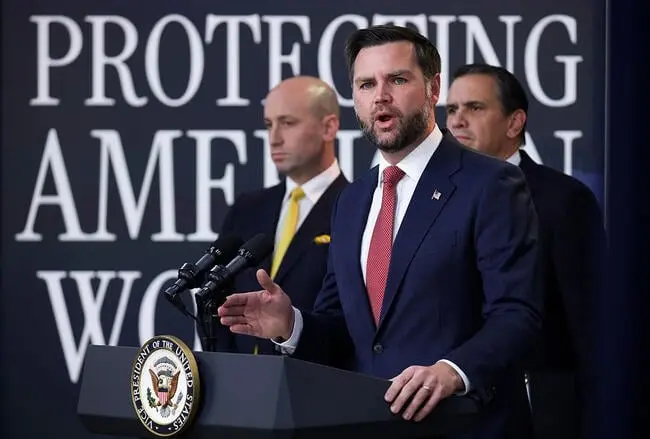
The tension between the administration and the academic elite highlights a fundamental debate over the future of the American labor market. For Vance and the Labor Department, the issue is one of fairness and the protection of domestic workers from being priced out of their own country’s institutions. They argue that if universities are receiving billions of dollars in federal grants, they have a moral and legal obligation to prioritize the American workforce.
Conversely, the universities argue that the pursuit of scientific breakthroughs requires a borderless approach to talent. They contend that the $20,000 wage gap cited by Vance may not account for the different levels of experience, specific roles, or the temporary nature of the J-1 visitor status compared to long-term faculty or staff positions. Furthermore, they warn that aggressive enforcement actions could create a "chilling effect," discouraging the world’s brightest minds from bringing their expertise to American shores, which could ultimately allow rival nations to overtake the United States in critical fields like artificial intelligence, biotechnology, and renewable energy.
As the Labor Department begins the arduous process of reviewing the subpoenaed records, the investigation is expected to be a long-term endeavor. The Task Force to Eliminate Fraud has signaled that these nine universities may only be the beginning, as they continue to analyze visa data across other sectors of the economy. For now, the focus remains on the halls of some of the world’s most famous educational institutions, where the intersection of immigration policy, federal funding, and labor rights has become a high-stakes battlefield. The outcome of the investigation could have profound implications for how American universities operate and how they balance their global aspirations with their domestic responsibilities.