A critical aspect of Maxon’s implementation is the philosophy of maintaining artist control and data integrity. One of the primary concerns surrounding the rise of generative AI in the creative arts is the "black box" nature of many tools, which often produce flattened, non-editable outputs. Maxon has addressed this by ensuring that all actions triggered by the AI assistant are performed through Cinema 4D’s own internal tools and APIs. The processes run locally on the user’s computer, and the results are not generated pixels or "hallucinated" geometry, but rather native Cinema 4D scene data. This means that every change made by the AI remains fully editable; an artist can review the work, refine specific parameters, or use the standard undo history to revert any step. By keeping the output in a native format, the software ensures that the AI acts as a facilitator of the existing toolset rather than a replacement for it.
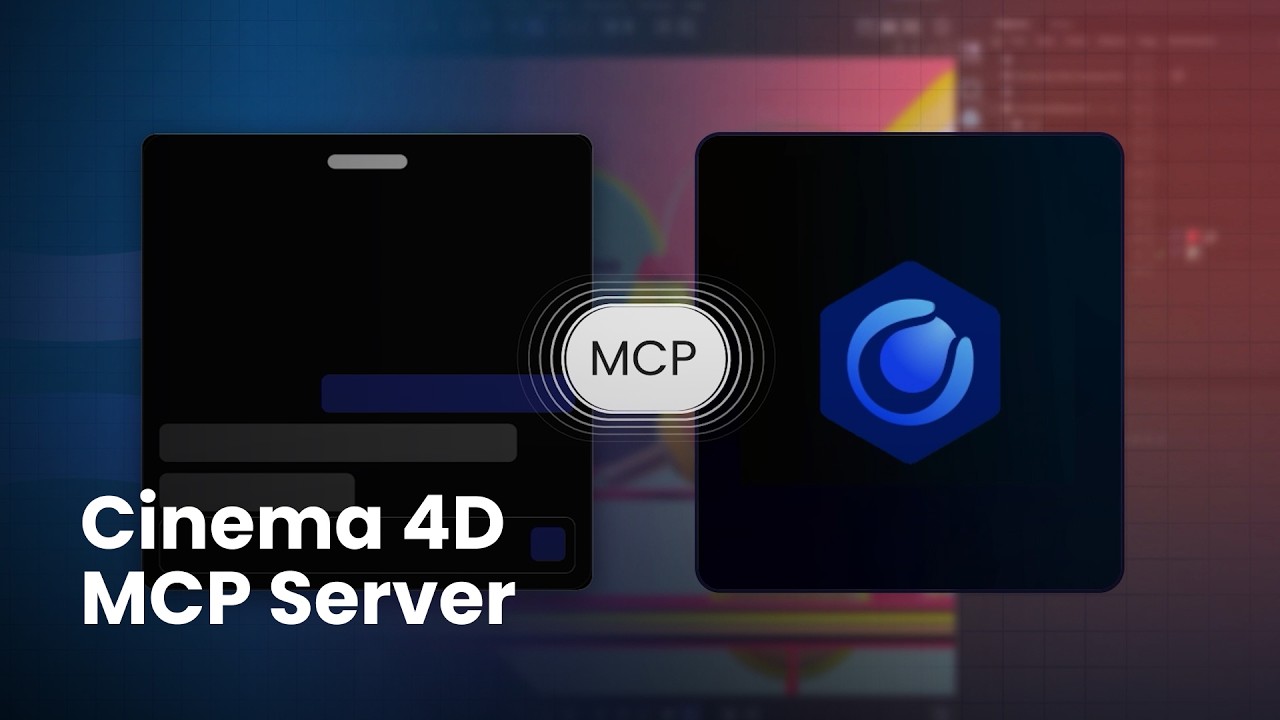
Security and transparency have also been prioritized in this update, reflecting the stringent requirements of professional production environments where data privacy is paramount. The MCP server is not an "always-on" feature; it is switched off by default, and users must proactively enable it to begin using an AI assistant. Once activated, the connection is secured by an MCP adapter access token, ensuring that only authorized requests are processed. Furthermore, Maxon has introduced a granular permission system, allowing artists to specify exactly which groups of Cinema 4D tools the assistant is allowed to access. To ensure total visibility, every action taken by the AI is recorded in a local audit log, and batches of changes are clearly demarcated in the undo history, allowing for a high degree of accountability in the production pipeline.
This move to support third-party assistants is consistent with Maxon’s recent history of strategic technological partnerships. It mirrors the company’s previous integration of Tencent’s HY 3D AI engine, which brought 3D model generation capabilities to Cinema 4D. By embracing the Model Context Protocol, Maxon is positioning Cinema 4D as an extensible platform that can grow alongside the rapidly evolving field of artificial intelligence, rather than being tethered to a single proprietary model that might quickly become obsolete. This flexibility is particularly valuable given the speed at which models like Anthropic’s Claude and OpenAI’s ChatGPT are being updated with new reasoning capabilities and larger context windows.
The introduction of the MCP server is part of the Cinema 4D 2026.4 update, which is available starting today for users on both Windows and macOS. The integration is designed to be user-friendly, requiring no additional software installations beyond the update itself to establish the connection with a supported AI service. As the industry moves toward more mobile and versatile production environments, Maxon is also looking toward the future of its ecosystem. The company has confirmed that a new Cinema 4D app for iPad is currently in development and is slated for release before the end of the year, though it remains to be seen how the AI assistant features will translate to the tablet interface.