The automotive landscape is often defined by a tug-of-war between pragmatic utility and emotional design. Nowhere is this tension more visible than in the segment of the "coupe SUV"—a category of vehicle that, depending on who you ask, is either a masterstroke of lifestyle engineering or a confusing contradiction of terms. Despite the polarized opinions of critics and purists, the market has spoken, and the message is clear: buyers are still enamored with the high-riding, slope-roofed silhouette.
Mercedes-Benz, a pioneer in the "four-door coupe" philosophy that eventually migrated from sedans to SUVs, is doubling down on this niche. While other manufacturers are beginning to trim their portfolios to focus on high-volume, traditional body styles or pure electric transitions, the Stuttgart-based automaker remains one of the most prolific purveyors of the coupe SUV. Currently, the Mercedes-Benz stable includes three distinct coupe SUV models, complemented by three four-door "coupe" sedans. For those expecting the brand to streamline these niche offerings out of existence, the latest word from company leadership suggests quite the opposite.
In a recent conversation with Christoph Starzynski, the Mercedes-Benz Vice President of Product Strategy and Product Steering, the enduring appeal of these vehicles was brought into sharp focus. When asked by journalists whether the appetite for "swoopy" SUVs was waning in an era of tightening budgets and shifting consumer priorities, Starzynski was unequivocal in his defense of the format.
"I see strong demand for the coupe," Starzynski noted, pointing to a dedicated and vocal segment of the market that prioritizes the unique aesthetic of the vehicle. According to the executive, the appeal lies in the duality of the machine. "There is a fan base for the coupe, you know? Because you actually have a very, very spacious vehicle with a very, very sporty driving behavior. We are happy that we have that car."
This sentiment underscores a broader strategy at Mercedes-Benz: providing a "multi-tool" luxury experience. While a traditional SUV might offer maximum vertical cargo room, the coupe variant targets the buyer who rarely fills their trunk to the roofline but frequently values the psychological and physical sensations of a "sportier" drive. By maintaining these models, Mercedes-Benz is betting on the idea that luxury is defined by choice and the ability to prioritize style without sacrificing the fundamental benefits of an SUV platform.
The Coupe SUV Still Has An Audience
The confirmation of the coupe SUV’s longevity within the Mercedes-Benz lineup comes as a relief to enthusiasts of the brand, particularly following a period of intense speculation. In 2024, the automotive industry was abuzz with rumors that Mercedes-Benz was preparing a massive consolidation of its internal combustion engine (ICE) offerings. Reports from the German newspaper Handelsblatt suggested that as part of a cost-cutting and streamlining initiative, the automaker was looking at the GLC Coupe and the GLE Coupe as prime candidates for discontinuation.
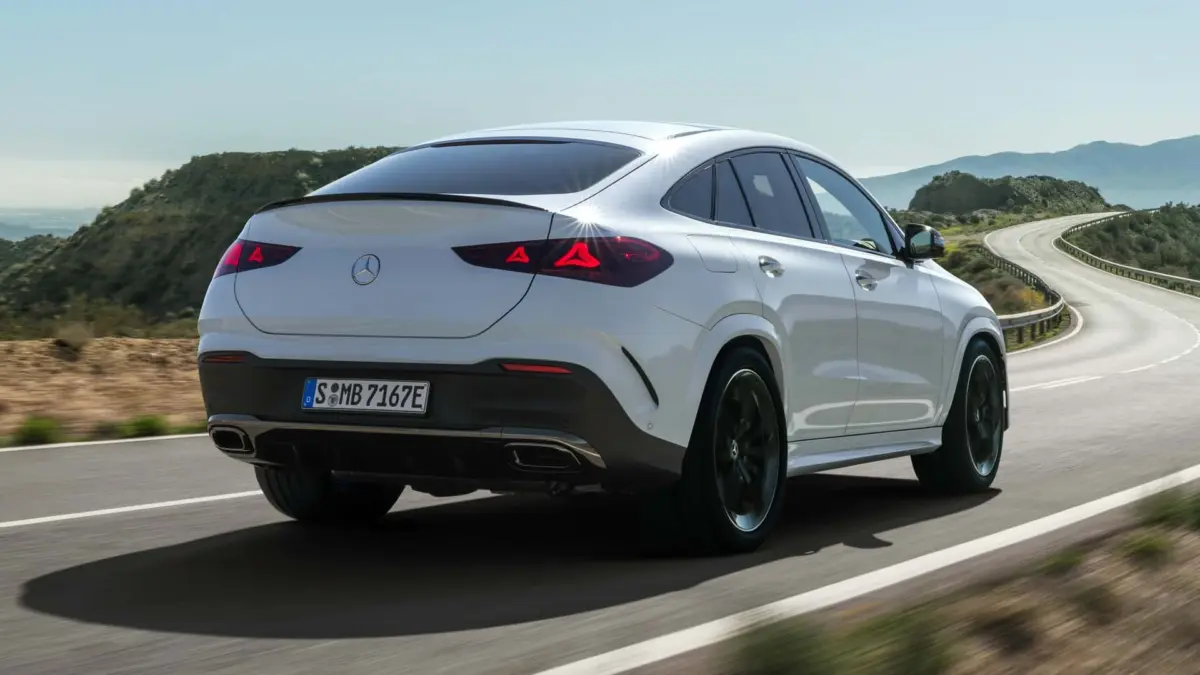
The logic behind those rumors was grounded in the industry-wide push toward electrification. As manufacturers pour billions into EV platforms, many have looked to simplify their traditional lineups, removing low-volume "niche" models to focus on the core sellers. However, the recent unveiling and confirmation of the 2027 Mercedes-Benz GLE Coupe suggests that these reports of its demise were, at the very least, premature.
The return of the GLE Coupe for the 2027 model year serves as a powerful indicator that the demand for this body style is not just a passing fad but a sustained market preference. Mercedes-Benz continues to offer a remarkably broad spectrum within this single model line. Buyers are not merely limited to a single "lifestyle" trim; instead, they can choose from a range that spans from the accessible and efficient GLE 350 to the high-performance monsters developed by the AMG division. The existence of the AMG 53 and the flagship AMG 63 models proves that Mercedes-Benz views the coupe SUV as a legitimate performance platform, capable of handling massive horsepower and sophisticated suspension setups that justify the "sporty" marketing.

Mercedes-Benz is far from the only player in this space, though they remain one of its most staunch defenders. The German luxury "Big Three"—Mercedes, BMW, and Audi—have essentially carved out this segment as their own. BMW, which arguably started the modern trend with the original X6, continues to find success with the X4 and X6. Audi maintains a strong presence with its "Sportback" designations, offering the Q5 Sportback and the Q8.
Even brands traditionally associated with more conservative designs or pure sports car heritage have entered the fray. Genesis has introduced coupe variants to its SUV line, and Porsche has found immense success with the Cayenne Coupe. Perhaps most telling of the segment’s viability is Porsche’s decision to offer the Cayenne Coupe across almost its entire powertrain range, including the highly anticipated electric versions. When a brand as focused on driving dynamics as Porsche embraces the coupe SUV for its EV future, it signals that the silhouette has moved from a "niche experiment" to a foundational pillar of modern luxury.
Not Every Automaker Is Keeping The Coupe
While the German luxury giants seem convinced of the coupe SUV’s future, the sentiment is not universal across the global automotive industry. For some manufacturers, the cost of developing a separate body style with reduced rear-seat headroom and cargo space has not yielded the necessary return on investment.
Infiniti, the luxury arm of Nissan, recently made headlines by pulling the plug on the QX55. The vehicle, which was designed to invoke the spirit of the iconic FX series from the early 2000s, lasted only a few years on the market before being discontinued. The QX55’s departure highlights the difficulty of succeeding in this segment without the massive global scale and brand prestige that the likes of Mercedes-Benz enjoy. In a crowded market, a "swoopy" SUV must offer more than just a curved roofline; it must deliver a cohesive luxury experience that justifies its often-higher price tag compared to its more practical siblings.
Similarly, Volkswagen has shown signs of retreating from the coupe SUV trend in certain markets. The ID.5, the coupe-styled sibling to the all-electric ID.4, has seen its production ended in Europe as Volkswagen undergoes a broader restructuring of its ID electric vehicle lineup. For a mass-market brand like Volkswagen, the efficiency of scale often outweighs the benefits of offering multiple body styles for a single platform, especially when sales are concentrated on the more traditional, family-friendly SUV shapes.
The divergence in strategy between Mercedes-Benz and brands like Infiniti or Volkswagen illustrates a deepening divide in the automotive market. For "Tier 1" luxury brands, the coupe SUV is an essential tool for "conquest sales"—drawing in younger, more style-conscious buyers who might have previously opted for a sports sedan but now desire the command seating position of an SUV. For these buyers, the slight loss in rear-seat practicality is a fair trade for a vehicle that stands out in a sea of boxy crossovers.
For Mercedes-Benz, the decision to stick with the coupe SUV is also a matter of brand identity. The company has long marketed itself as the inventor of the modern automobile and a leader in design innovation. By offering "coupe" versions of the GLC and GLE, and even applying the philosophy to their electric EQ range, they are reinforcing a design language that has become synonymous with the "Three-Pointed Star."
As we move toward 2027 and beyond, the coupe SUV remains a staple of the Mercedes-Benz portfolio. While the industry continues to debate the merits of the form factor, the sales figures and executive confidence tell a different story. The "fan base" that Christoph Starzynski mentioned appears to be loyal and willing to pay a premium for the "sporty driving behavior" and distinctive look that only a coupe SUV can provide. In the high-stakes world of luxury automotive sales, if the customers want it, Mercedes-Benz is more than happy to build it.