Infiniti, the luxury arm of Nissan, recently made headlines by pulling the plug on the QX55. The vehicle, which was designed to invoke the spirit of the iconic FX series from the early 2000s, lasted only a few years on the market before being discontinued. The QX55’s departure highlights the difficulty of succeeding in this segment without the massive global scale and brand prestige that the likes of Mercedes-Benz enjoy. In a crowded market, a "swoopy" SUV must offer more than just a curved roofline; it must deliver a cohesive luxury experience that justifies its often-higher price tag compared to its more practical siblings.
Similarly, Volkswagen has shown signs of retreating from the coupe SUV trend in certain markets. The ID.5, the coupe-styled sibling to the all-electric ID.4, has seen its production ended in Europe as Volkswagen undergoes a broader restructuring of its ID electric vehicle lineup. For a mass-market brand like Volkswagen, the efficiency of scale often outweighs the benefits of offering multiple body styles for a single platform, especially when sales are concentrated on the more traditional, family-friendly SUV shapes.
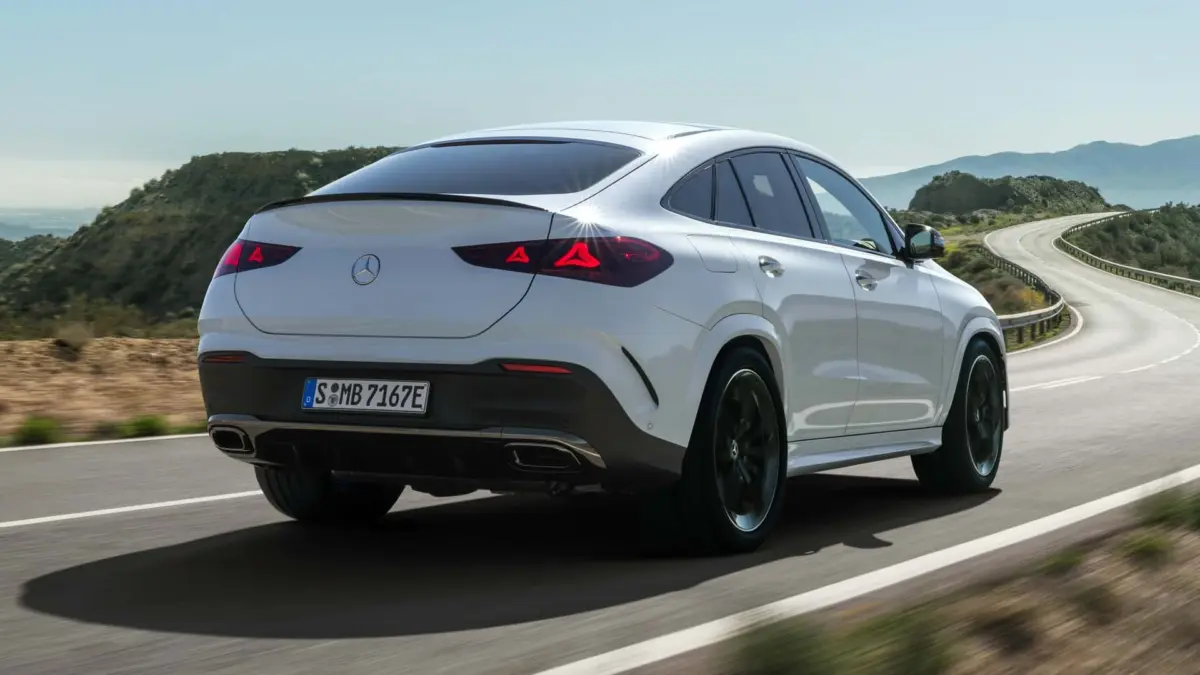
The divergence in strategy between Mercedes-Benz and brands like Infiniti or Volkswagen illustrates a deepening divide in the automotive market. For "Tier 1" luxury brands, the coupe SUV is an essential tool for "conquest sales"—drawing in younger, more style-conscious buyers who might have previously opted for a sports sedan but now desire the command seating position of an SUV. For these buyers, the slight loss in rear-seat practicality is a fair trade for a vehicle that stands out in a sea of boxy crossovers.
For Mercedes-Benz, the decision to stick with the coupe SUV is also a matter of brand identity. The company has long marketed itself as the inventor of the modern automobile and a leader in design innovation. By offering "coupe" versions of the GLC and GLE, and even applying the philosophy to their electric EQ range, they are reinforcing a design language that has become synonymous with the "Three-Pointed Star."
As we move toward 2027 and beyond, the coupe SUV remains a staple of the Mercedes-Benz portfolio. While the industry continues to debate the merits of the form factor, the sales figures and executive confidence tell a different story. The "fan base" that Christoph Starzynski mentioned appears to be loyal and willing to pay a premium for the "sporty driving behavior" and distinctive look that only a coupe SUV can provide. In the high-stakes world of luxury automotive sales, if the customers want it, Mercedes-Benz is more than happy to build it.