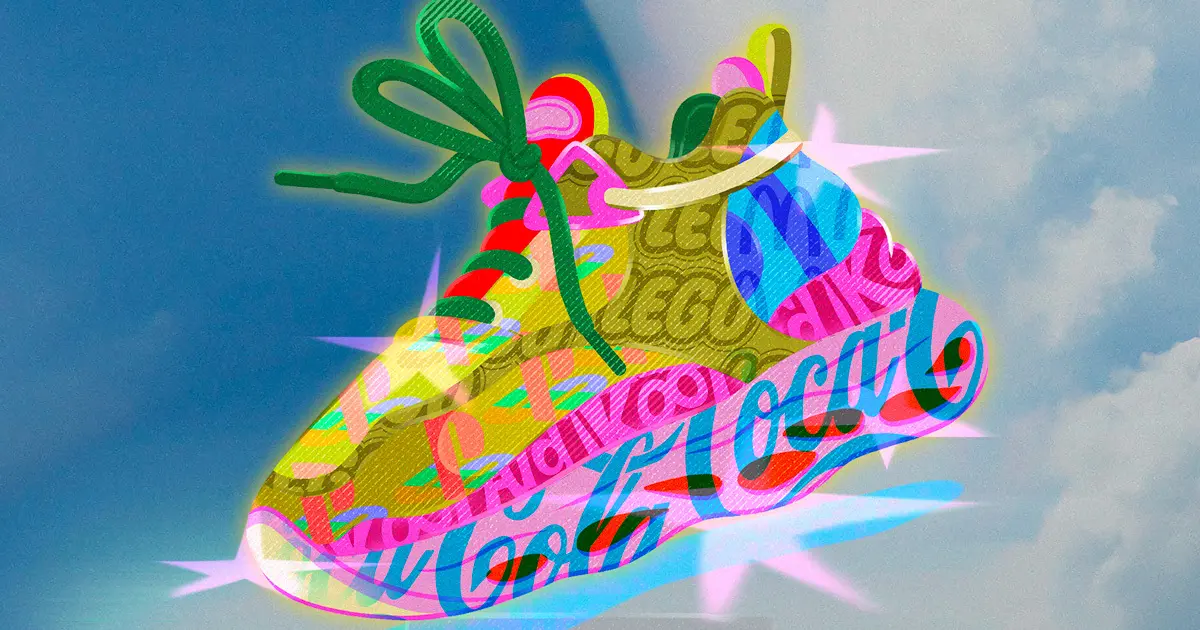
The Power of the Unexpected Collaboration
In recent years, the industry has seen a surge in "unexpected" collaborations. These are partnerships where a non-footwear brand joins forces with an established shoe manufacturer to create something entirely new. These collaborations are often designed to shock the system, generating headlines and social media engagement through the sheer novelty of the pairing.
However, the most successful of these ventures go beyond mere novelty. They tap into the "creativity x culture" nexus, where the brand’s story is told through the lens of design. By partnering with a footwear brand, a company can leverage the existing credibility and "cool factor" of the shoe manufacturer while introducing its own brand narrative to a new, often younger, demographic.
This strategy is particularly effective for legacy brands looking to modernize their image. By associating themselves with the fast-moving world of footwear culture, these companies can signal that they are still relevant, innovative, and in touch with the current moment. It allows them to transition from being a "product" that people use to a "culture" that people want to be a part of.
Signaling and the Psychology of the Consumer
The psychological aspect of footwear cannot be overstated. Jed Hallam’s observation regarding "affiliation" highlights a fundamental human desire to belong. In a fragmented digital world, physical markers of identity have taken on a renewed importance. When a consumer wears a specific pair of shoes, they are often participating in a larger conversation. They are signaling to others that they "get it"—that they are aware of the latest trends, that they value a certain aesthetic, or that they support a specific cause.
This signaling is what makes footwear such a resilient category in the face of economic fluctuations. Even when consumers pull back on large luxury purchases, the "lipstick effect"—where small, high-visibility indulgences remain popular—often applies to footwear. A pair of premium or collaborative shoes is a relatively accessible way for a consumer to participate in a luxury or high-fashion lifestyle without the price tag of a designer suit or handbag.
Furthermore, the physical nature of shoes provides a tactile connection to a brand. In a world increasingly dominated by intangible services and digital experiences, the weight, texture, and craftsmanship of a shoe offer a grounded, "real-world" interaction. For a brand, being literally "underfoot" as a consumer navigates their day creates a level of intimacy and presence that few other marketing channels can match.