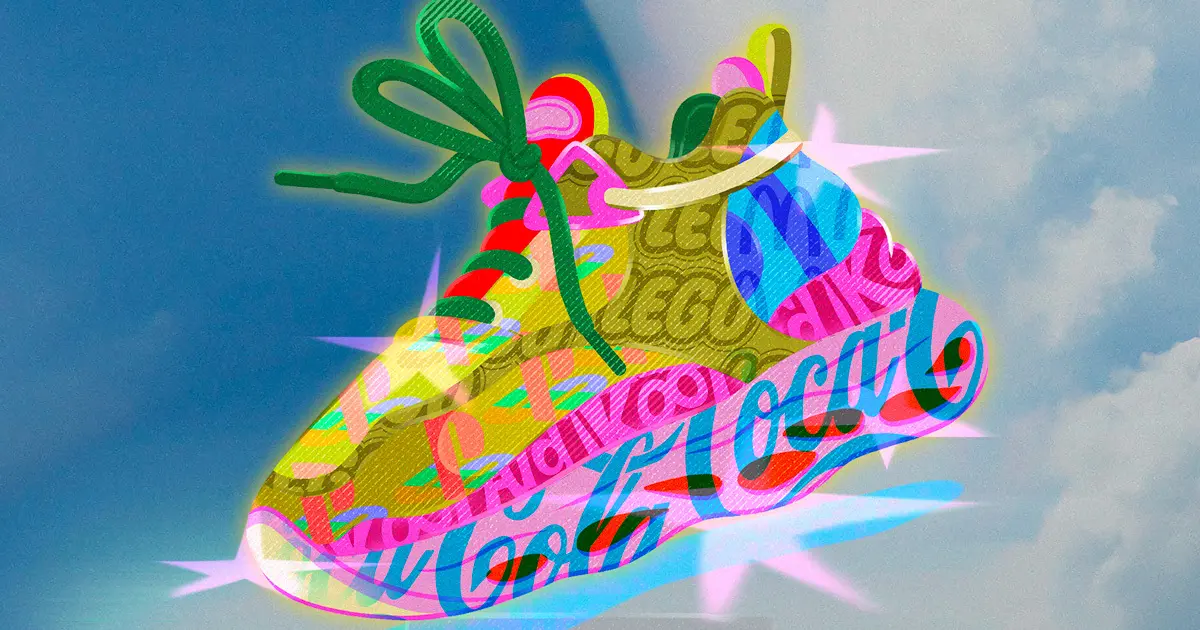
The old saying suggests that the first thing people notice about a person is their shoes. While once a mere observation of social etiquette or personal grooming, this logic has evolved into a foundational principle for modern brand strategy. For a growing number of companies, footwear has transitioned from a functional necessity into one of the most potent vehicles for breaking into the cultural zeitgeist.
In an era where traditional advertising often struggles to pierce through the digital noise, shoes have emerged as a unique medium. They are no longer just products; they are high-visibility signals of identity, community, and values. This shift has prompted a wave of unexpected entries into the footwear market, as brands from across the industrial spectrum—from fast food and beverage companies to tech giants and luxury houses—seek to plant their flag on the feet of consumers.
“Shoes are an omnipresent icon of culture,” says Jed Hallam, co-founder and managing director of CultureLab. “More so than any other item of clothing, it’s the thing that you outwardly signal your affiliation with.”
This concept of "affiliation" is the engine driving the current boom in footwear collaborations. According to Hallam, the choice of shoe is a public declaration of one’s tribe. Whether it is a limited-edition sneaker born from a hip-hop collaboration or a rugged boot designed for outdoor utility, the footwear a person chooses to wear acts as a shorthand for their interests, their social status, and their cultural literacy. For marketers, this represents an unparalleled opportunity to embed their brand into the daily lives and personal identities of their target audience.
The Shift from Apparel to Identity
The rise of footwear as a cultural powerhouse did not happen overnight. It is the result of a decades-long evolution that saw sneakers move from the basketball courts and skate parks into the boardroom and onto the fashion runway. What was once a niche subculture defined by "sneakerheads" has become a global mainstream phenomenon. Today, the secondary market for collectible footwear is worth billions, and the "drop" model—where limited quantities of a product are released at a specific time to generate hype—has become the gold standard for product launches across various industries.
For brands that do not traditionally operate in the fashion or apparel space, footwear offers a way to bypass the traditional barriers to cultural relevance. While a consumer might be hesitant to wear a t-shirt emblazoned with a corporate logo, they are often much more willing to wear a pair of shoes that subtly incorporates a brand’s color palette, iconography, or philosophy. This is because footwear is perceived differently than other garments. It occupies a space between utility and art, allowing for creative expressions that feel more like a "collectible" than a piece of promotional merchandise.
The appeal to marketers is clear: shoes offer high visibility and high frequency of use. Unlike a digital ad that disappears after a few seconds or a billboard that stays in one location, a pair of shoes moves with the consumer. It enters social spaces, workplaces, and public arenas, serving as a walking endorsement for whatever brand or collaboration it represents.
The Power of the Unexpected Collaboration
In recent years, the industry has seen a surge in "unexpected" collaborations. These are partnerships where a non-footwear brand joins forces with an established shoe manufacturer to create something entirely new. These collaborations are often designed to shock the system, generating headlines and social media engagement through the sheer novelty of the pairing.
However, the most successful of these ventures go beyond mere novelty. They tap into the "creativity x culture" nexus, where the brand’s story is told through the lens of design. By partnering with a footwear brand, a company can leverage the existing credibility and "cool factor" of the shoe manufacturer while introducing its own brand narrative to a new, often younger, demographic.
This strategy is particularly effective for legacy brands looking to modernize their image. By associating themselves with the fast-moving world of footwear culture, these companies can signal that they are still relevant, innovative, and in touch with the current moment. It allows them to transition from being a "product" that people use to a "culture" that people want to be a part of.
Signaling and the Psychology of the Consumer
The psychological aspect of footwear cannot be overstated. Jed Hallam’s observation regarding "affiliation" highlights a fundamental human desire to belong. In a fragmented digital world, physical markers of identity have taken on a renewed importance. When a consumer wears a specific pair of shoes, they are often participating in a larger conversation. They are signaling to others that they "get it"—that they are aware of the latest trends, that they value a certain aesthetic, or that they support a specific cause.
This signaling is what makes footwear such a resilient category in the face of economic fluctuations. Even when consumers pull back on large luxury purchases, the "lipstick effect"—where small, high-visibility indulgences remain popular—often applies to footwear. A pair of premium or collaborative shoes is a relatively accessible way for a consumer to participate in a luxury or high-fashion lifestyle without the price tag of a designer suit or handbag.
Furthermore, the physical nature of shoes provides a tactile connection to a brand. In a world increasingly dominated by intangible services and digital experiences, the weight, texture, and craftsmanship of a shoe offer a grounded, "real-world" interaction. For a brand, being literally "underfoot" as a consumer navigates their day creates a level of intimacy and presence that few other marketing channels can match.
The Evolution of Brand Storytelling
As brands continue to branch out into footwear, the nature of brand storytelling is changing. It is no longer enough to simply place a logo on a product. Consumers, particularly those in the Gen Z and Millennial cohorts, are highly sensitive to authenticity. They can easily distinguish between a cynical "cash grab" and a genuine creative partnership.
To succeed, brands must find a "hook"—a reason for the collaboration to exist that makes sense within the context of culture. This might involve tapping into nostalgia, celebrating a shared set of values, or pushing the boundaries of material science and sustainable design. The footwear becomes the canvas upon which this story is painted.
The most effective shoe collaborations of late have proven that the medium is incredibly versatile. They can be used to tell stories of heritage, as seen in the revival of classic silhouettes, or stories of the future, through the use of 3D printing and eco-friendly materials. They can be playful, serious, minimalist, or avant-garde. This versatility is what makes footwear the ultimate cultural vehicle; it can be whatever the brand—and the culture—needs it to be at that moment.
A New Frontier for Marketing
The trend of non-footwear brands entering the shoe space shows no signs of slowing down. As more companies recognize the power of "cultural signaling," the competition for space on the retail shelf and in the consumer’s closet will only intensify. This will likely lead to even more creative and boundary-pushing designs as brands strive to stand out in an increasingly crowded market.
For the marketing industry, the message is clear: culture is not something that can be bought through traditional media alone. It must be lived, worn, and shared. By embracing footwear as a primary vehicle for engagement, brands are finding new ways to move beyond the transaction and into the lifestyle of the consumer.
As Jed Hallam and other industry observers note, the shoe is no longer just an accessory. It is a focal point of modern identity. For brands looking to make a lasting impression, the path to the consumer’s heart—and their social media feed—may very well start with their feet. The ability to navigate this landscape, balancing brand heritage with cultural relevance, will define the next generation of successful marketing campaigns. In the high-stakes world of global branding, it seems the first thing people notice is indeed the most important.