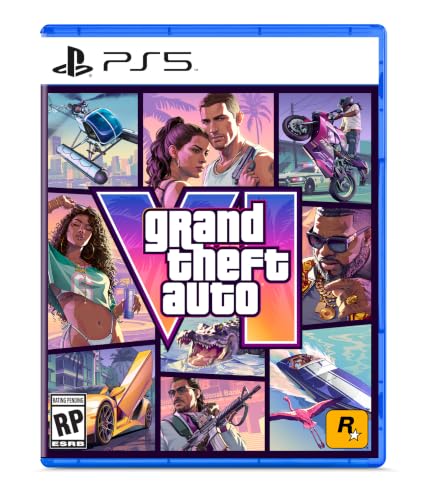
As Rockstar prepares for the release of Grand Theft Auto VI, the studio is leaning heavily into this established nostalgia. The official art for the upcoming title, which is set to return players to the sun-drenched streets of Vice City (now part of the state of Leonida), follows the Bliss-inspired template to the letter. It features the series’ first female protagonist, Lucia, alongside her partner, framed by the familiar vignettes of modern-day Florida life. The art serves as a bridge between the series’ past and its future, proving that a design born from a weekend of crisis management can become a permanent fixture of the cultural landscape.
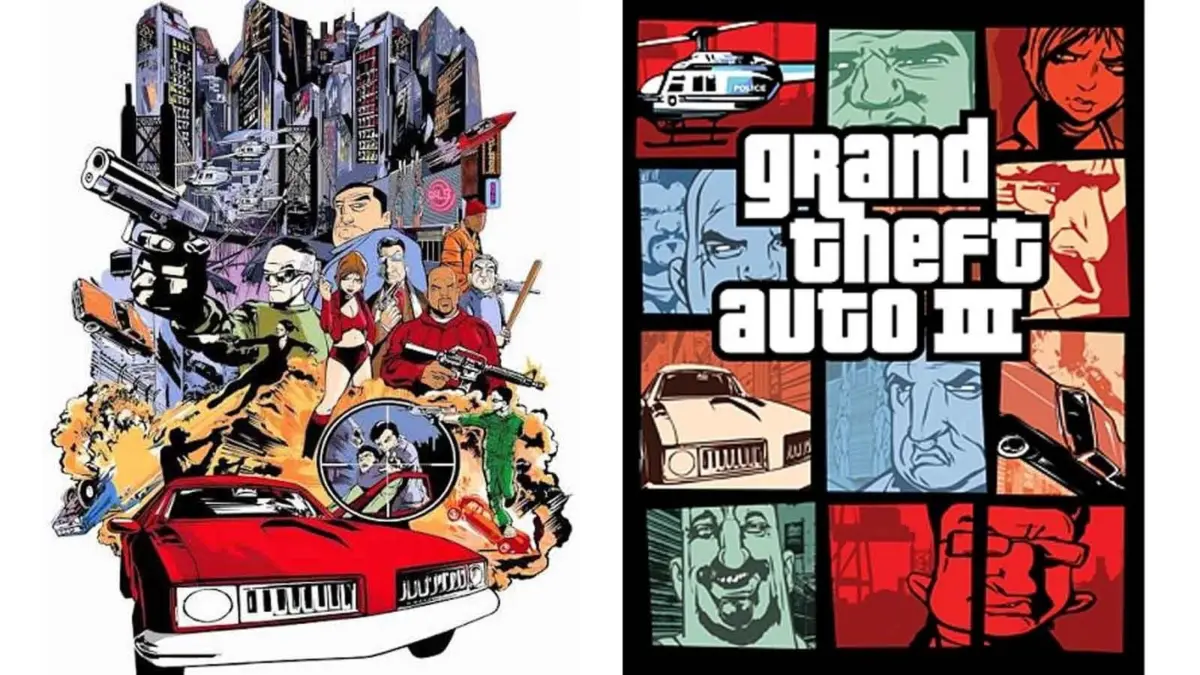
The legacy of the GTA 3 cover art is a reminder that in the world of high-level creative production, the best ideas aren’t always the ones that are nurtured over months of meetings and focus groups. Sometimes, the most enduring icons are the ones that are forged in the heat of a deadline, when the original plan is thrown in the bin and creators are forced to rely on instinct. What remains is a graphic design masterstroke that has become as iconic as the gameplay it represents.
Beyond the box art, the influence of that 2001 pivot can be seen in the way Rockstar approaches its entire brand identity. The studio has always been one to favor mystery and carefully curated "vibes" over traditional marketing blitzes. The grid layout facilitates this, offering a mosaic of the experience rather than a literal depiction of a single mission. It invites the player to imagine the world inside the box, a strategy that has helped Grand Theft Auto V become one of the best-selling pieces of media in history.
For those looking forward to the next chapter, the wait is nearing its end. Grand Theft Auto VI is currently slated for release on November 19, targeting the latest generation of hardware on the PlayStation 5 and Xbox Series X/S. As the industry looks toward what is arguably the most anticipated video game release of all time, the artwork standing at the forefront of the campaign remains a tribute to a moment twenty-five years ago when a team of artists had to find a new way to show the world what Liberty City was all about. What was once a rushed replacement is now the gold standard of gaming iconography, a visual language that speaks to millions of players before they even press "start."