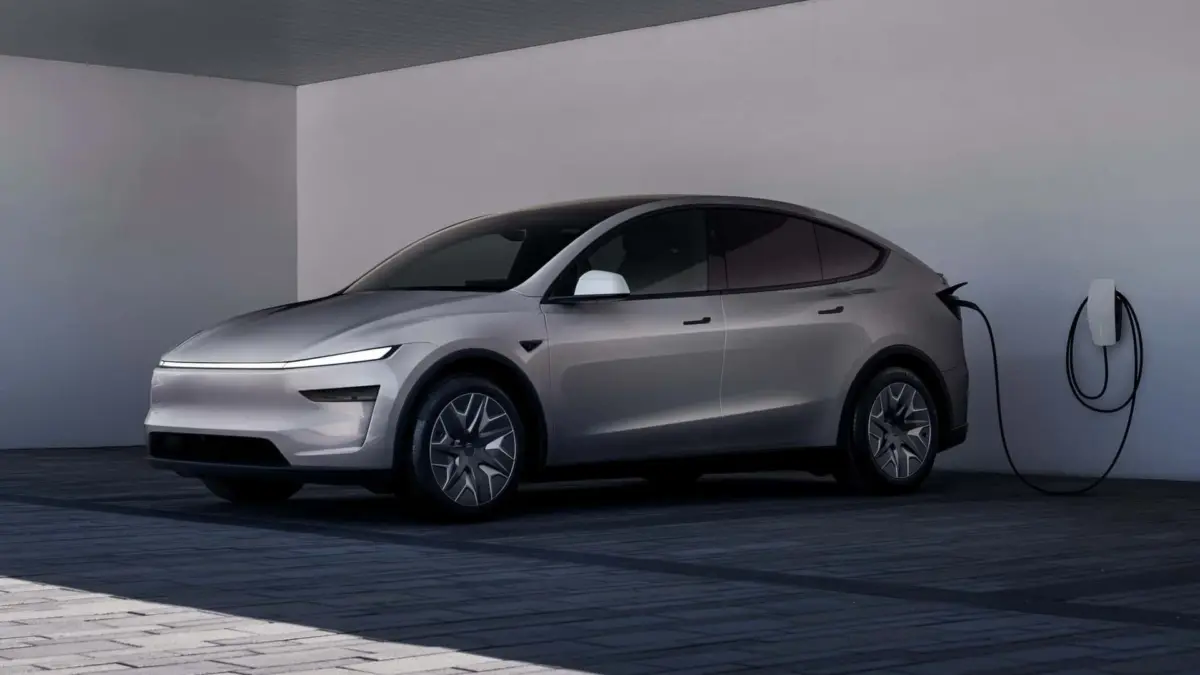
As the American automotive landscape undergoes its most significant transition in a century, the shift toward battery-electric vehicles (BEVs) continues to be driven by a complex mix of economic necessity and technological curiosity. With gasoline prices remaining stubbornly high and volatile in many regions, the appeal of bypassing the pump entirely has never been stronger. However, for many prospective buyers, the enthusiasm for electric mobility is often tempered by a lingering concern: "Where will I charge it?"
While the national charging infrastructure is undoubtedly improving, it is doing so at a pace that many advocates describe as agonizingly slow. Furthermore, the growth is far from uniform. A vast and often inconsistent patchwork of charging stations currently spans the United States, creating a reality where the ease of owning an EV depends heavily on one’s zip code. Some municipalities have embraced the electric revolution with aggressive planning and subsidies, while others remain "charging deserts," leaving residents with few options for public replenishment.
According to a comprehensive new study from the automotive research firm iSeeCars, the United States is on track to reach a significant milestone, with nearly 300,000 public EV chargers expected to be in operation by the end of this year. However, the raw number of plugs tells only a fraction of the story. The study highlights a dramatic disparity in how these chargers are distributed across the country, breaking down which metropolitan areas have become the most EV-friendly communities and which ones are failing to keep pace with the growing demand.
To determine these rankings, researchers analyzed the number of Level 2 and Level 3 (DC Fast) public chargers relative to the population of the 50 largest U.S. metropolitan areas. By focusing on the ratio of residents per charger, the study provides a clearer picture of true accessibility, moving beyond total counts to show how much "competition" exists for every available plug.
What City Is Most Friendly To EVs?
It should come as no shock to those following the industry that California continues to dominate the rankings of the most EV-friendly cities. The state has long been the epicenter of electric vehicle adoption in the United States, fueled by a combination of strict environmental regulations, state-level incentives, and a consumer base that was among the first to embrace Tesla and its successors.
According to the iSeeCars data, California claims four of the top ten spots for charger density. However, the "Golden State" is no longer the only region making significant strides. Karl Brauer, Executive Analyst for iSeeCars, noted that while geography and culture play a role, the trend is expanding into other major hubs.
"California’s EV-friendly weather and tech-oriented communities clearly contribute to the state’s EV demand and aggressive charging infrastructure buildout," Brauer said. "But high-ranking New York, Boston, and Denver reflect strong EV charging support outside the Golden State."
When looking at the sheer volume of infrastructure, Los Angeles stands as the undisputed king. The metro area boasts the most chargers overall, with a staggering 36,318 units currently in operation. However, when adjusted for its massive population, Los Angeles actually ranks third in terms of resident-to-charger ratio, with approximately 500 residents for every public charger.
The top honors for the most accessible infrastructure go to the San Francisco Bay Area. The combined metropolitan region of San Francisco, Oakland, and San Jose ranks first in the nation. Despite having fewer total chargers than Los Angeles—22,430 available units—the region’s more concentrated population results in a ratio of just 334 residents per charger. This level of density significantly reduces "charger anxiety," as the likelihood of finding an available stall during a daily commute or a weekend errand is much higher than in almost any other part of the world.
San Diego follows closely behind its northern neighbors, securing the second-place spot. With 7,582 chargers servicing the area, San Diego maintains a ratio of 432 residents per charger. These figures illustrate a clear trend: California’s major coastal cities have successfully integrated charging into the urban fabric, making EV ownership a viable reality for those without dedicated home charging.
Nationally, the picture is improving, albeit from a lower baseline. The average across the United States is expected to reach 1,143 residents per charger by the end of the year. While this may still seem high compared to the ubiquity of gas stations, it represents a 13.2 percent year-over-year improvement in accessibility, suggesting that infrastructure buildout is finally starting to catch up with the surge in EV sales.
The presence of cities like Boston and Denver in the top tier is particularly noteworthy. These cities experience significant winter weather, which has historically been viewed as a deterrent for EV adoption due to the impact of cold temperatures on battery range and charging speeds. Their high rankings suggest that municipal policy and urban density can overcome climatic hurdles, providing a blueprint for other cold-weather cities looking to modernize their transit infrastructure.
Least-Friendly Cities For EVs
Despite the progress seen in coastal hubs and tech-centric enclaves, the iSeeCars study also shines a light on the "charging laggards"—major American cities where public infrastructure remains woefully inadequate. In these areas, the transition to electric power faces an uphill battle, as the lack of visible, reliable charging stations serves as a major psychological and practical barrier for potential buyers.
At the bottom of the list, Louisville, Kentucky, stands out as one of the least EV-friendly major cities in the country. With only 621 public chargers serving the entire metropolitan area, the city suffers from a ratio of 2,904 residents per charger. This means that a resident in Louisville is nearly nine times less likely to find an available charger than someone living in San Francisco.
Milwaukee, Wisconsin, fares little better, ranking near the bottom with just 852 chargers. This results in a ratio of 2,716 residents per station. The lack of infrastructure in the Midwest and South is a recurring theme in the study, highlighting a geographic "EV gap" that could slow national adoption rates.
Texas, despite its reputation as a burgeoning tech hub and the new home of Tesla’s global headquarters, shows a surprising lack of density in its major cities. Both San Antonio and Houston appear on the list of least-friendly cities. San Antonio has a ratio of 2,666 residents per charger, while Houston sits at 2,453. While the raw number of chargers in these Texas cities is higher than in Louisville, the massive population growth in the Lone Star State has far outpaced the installation of new charging hardware.
Interestingly, while Texas cities struggle with density, the state as a whole does not rank among the bottom ten states for total chargers. That dubious honor belongs to Alaska. The nation’s largest state by landmass has the fewest chargers per capita, a result of its extreme isolation, rugged terrain, and the severe impact of sub-zero temperatures on lithium-ion battery performance.
The "charging desert" extends across much of the rural West and the Great Plains. States including North Dakota, South Dakota, Wyoming, and Montana remain among the most difficult places to own an EV. These are states defined by vast distances between population centers and harsh winters—factors that make the installation and maintenance of high-speed DC charging stations both expensive and technically challenging.
Beyond the Mountain West, the study identifies West Virginia, Mississippi, Nebraska, Delaware, and Idaho as states with the fewest chargers. In many of these regions, the lack of infrastructure is a "chicken and egg" problem: charging networks are hesitant to invest in areas with low EV registration numbers, while consumers are hesitant to buy EVs because there is nowhere to charge them.
The disparity between the "most friendly" and "least friendly" cities underscores the necessity of federal programs like the National Electric Vehicle Infrastructure (NEVI) Formula Program, which aims to place high-speed chargers every 50 miles along major highways. However, as the iSeeCars study demonstrates, the "last mile" of urban and suburban charging remains a localized challenge.
As the industry moves toward 2025, the gap between leaders like San Francisco and laggards like Louisville will likely dictate the pace of the used EV market and the long-term viability of manufacturer transition plans. For now, American drivers are living in two different worlds: one where an electric future is already visible on every street corner, and another where the hum of a charging station remains a rare and distant sound.