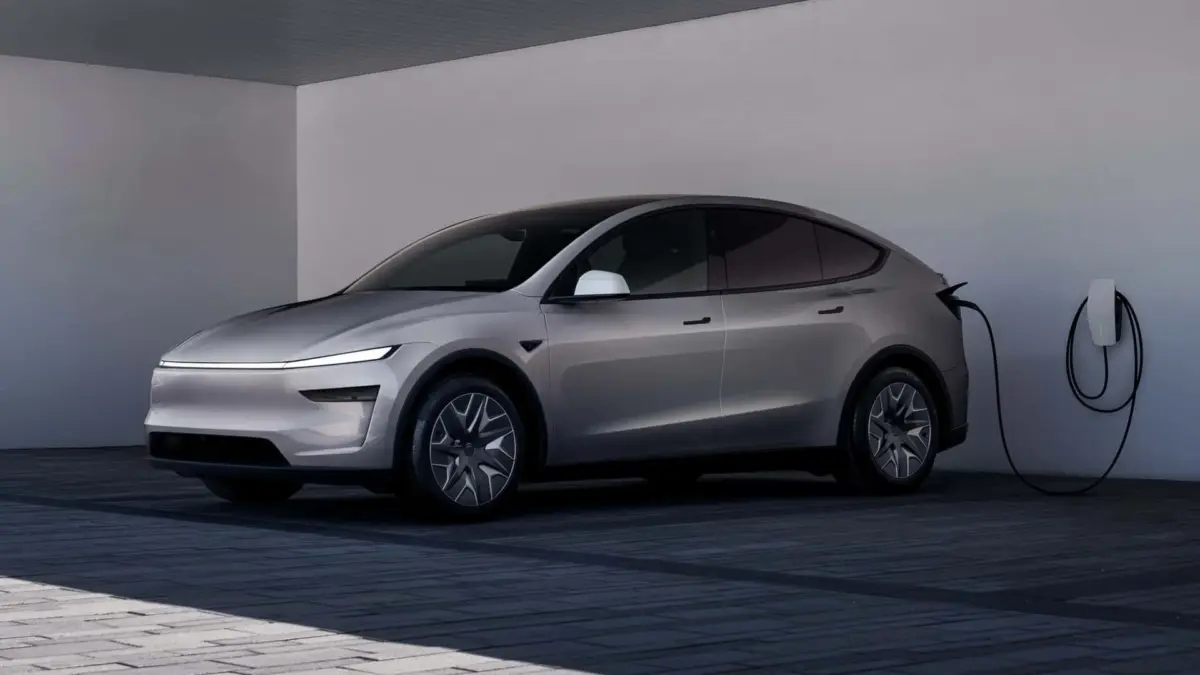
As the global automotive landscape continues its steady shift toward electrification, the primary concern for many prospective buyers remains the practicalities of daily operation. While the allure of moving away from internal combustion engines is bolstered by fluctuating but generally high gas prices, the transition is often hampered by the logistical realities of "pain at the pump" being replaced by "anxiety at the plug." A new comprehensive study by the automotive research firm iSeeCars has shed light on the stark disparities in the nation’s charging infrastructure, revealing that while the country is making significant strides, the experience of owning an electric vehicle (EV) depends heavily on one’s zip code.
The United States is currently on a trajectory to reach a significant milestone by the end of this year, with the total number of public EV chargers expected to approach the 300,000 mark. However, the raw data hides a more complex story of geographic inequality. The infrastructure is not a uniform blanket covering the lower 48 states and beyond; rather, it is a vast and inconsistent patchwork of charging stations that spans the country, leaving some metropolitan areas as beacons of accessibility while others remain "charging deserts."
The iSeeCars study meticulously breaks down the most and least EV-friendly communities in the nation by analyzing the density of Level 2 and Level 3 (DC fast) public chargers relative to the local population. By focusing on the ratio of residents per charger, the study provides a clearer picture of how much "competition" exists for every available plug, a metric that often matters more to the average driver than the total number of stations in a given state.
What City Is Most Friendly To EVs?
It should come as no shock to industry observers that California remains the undisputed leader in the electrification movement. The Golden State has long been the epicenter of EV adoption, driven by a combination of early-adopter culture, aggressive state-level incentives, and a regulatory environment that favors zero-emission vehicles. According to the study, California claims four of the top ten spots for the most EV-friendly cities in America, but it is far from the only region making significant investments.
Karl Brauer, an Executive Analyst for iSeeCars, noted that the success of these regions is often a "chicken and egg" scenario where demand and infrastructure fuel one another. "California’s EV-friendly weather and tech-oriented communities clearly contribute to the state’s EV demand and aggressive charging infrastructure buildout," Brauer stated. However, he also pointed out that the trend is moving beyond the West Coast. "High-ranking New York, Boston, and Denver reflect strong EV charging support outside the Golden State."
When looking purely at the total volume of hardware, Los Angeles leads the nation with a staggering 36,318 public chargers. However, when the data is adjusted for population density, the rankings shift. The metropolitan area encompassing San Francisco, Oakland, and San Jose takes the top spot for overall friendliness. In this tech-heavy corridor, there are approximately 22,430 chargers available to the public, resulting in a ratio of just 334 residents per charger. This low ratio suggests that drivers in the Bay Area are far more likely to find an open stall when they need one compared to almost anywhere else in the country.