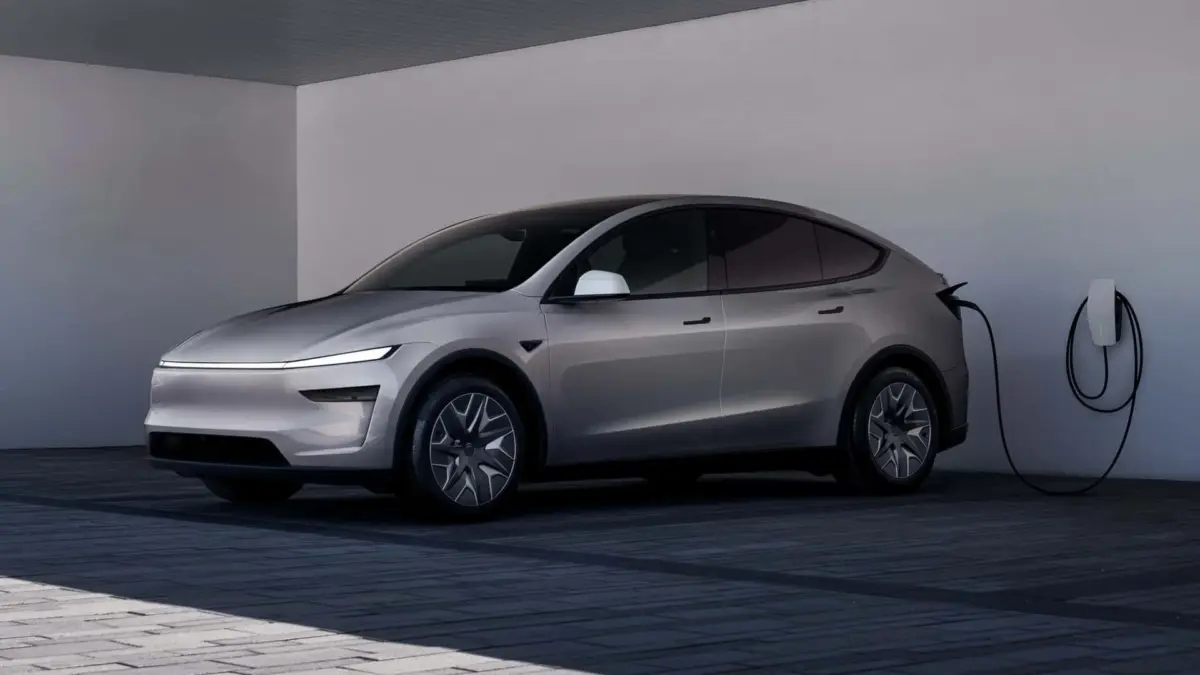
As the global automotive landscape continues its steady shift toward electrification, the primary concern for many prospective buyers remains the practicalities of daily operation. While the allure of moving away from internal combustion engines is bolstered by fluctuating but generally high gas prices, the transition is often hampered by the logistical realities of "pain at the pump" being replaced by "anxiety at the plug." A new comprehensive study by the automotive research firm iSeeCars has shed light on the stark disparities in the nation’s charging infrastructure, revealing that while the country is making significant strides, the experience of owning an electric vehicle (EV) depends heavily on one’s zip code.
The United States is currently on a trajectory to reach a significant milestone by the end of this year, with the total number of public EV chargers expected to approach the 300,000 mark. However, the raw data hides a more complex story of geographic inequality. The infrastructure is not a uniform blanket covering the lower 48 states and beyond; rather, it is a vast and inconsistent patchwork of charging stations that spans the country, leaving some metropolitan areas as beacons of accessibility while others remain "charging deserts."
The iSeeCars study meticulously breaks down the most and least EV-friendly communities in the nation by analyzing the density of Level 2 and Level 3 (DC fast) public chargers relative to the local population. By focusing on the ratio of residents per charger, the study provides a clearer picture of how much "competition" exists for every available plug, a metric that often matters more to the average driver than the total number of stations in a given state.
What City Is Most Friendly To EVs?
It should come as no shock to industry observers that California remains the undisputed leader in the electrification movement. The Golden State has long been the epicenter of EV adoption, driven by a combination of early-adopter culture, aggressive state-level incentives, and a regulatory environment that favors zero-emission vehicles. According to the study, California claims four of the top ten spots for the most EV-friendly cities in America, but it is far from the only region making significant investments.
Karl Brauer, an Executive Analyst for iSeeCars, noted that the success of these regions is often a "chicken and egg" scenario where demand and infrastructure fuel one another. "California’s EV-friendly weather and tech-oriented communities clearly contribute to the state’s EV demand and aggressive charging infrastructure buildout," Brauer stated. However, he also pointed out that the trend is moving beyond the West Coast. "High-ranking New York, Boston, and Denver reflect strong EV charging support outside the Golden State."
When looking purely at the total volume of hardware, Los Angeles leads the nation with a staggering 36,318 public chargers. However, when the data is adjusted for population density, the rankings shift. The metropolitan area encompassing San Francisco, Oakland, and San Jose takes the top spot for overall friendliness. In this tech-heavy corridor, there are approximately 22,430 chargers available to the public, resulting in a ratio of just 334 residents per charger. This low ratio suggests that drivers in the Bay Area are far more likely to find an open stall when they need one compared to almost anywhere else in the country.
San Diego follows closely in second place, boasting 7,582 chargers and a ratio of 432 residents per charger. Los Angeles, despite its massive total count, ranks third in density with 500 residents per charger. The disparity between the total count and the density highlights the challenges of scale; even with tens of thousands of plugs, the sheer size of the Los Angeles population means that the infrastructure is under more pressure than in the slightly less populous San Francisco area.
On a national level, the average density of charging infrastructure is showing signs of healthy growth. By the end of the year, the national average is expected to reach 1,143 residents per charger. This represents a 13.2 percent improvement over previous periods, signaling that the buildout of the network is currently outpacing the growth of the general population, even if it still struggles to keep up with the rapid pace of EV sales in certain markets.
The top of the list for charger density is dominated by cities that have integrated charging into the urban fabric, often placing stations in accessible public locations, shopping centers, and municipal parking garages. These "Most Friendly" cities typically benefit from a mix of private investment from charging networks and public funding from state and local governments.
Least-Friendly Cities For EVs
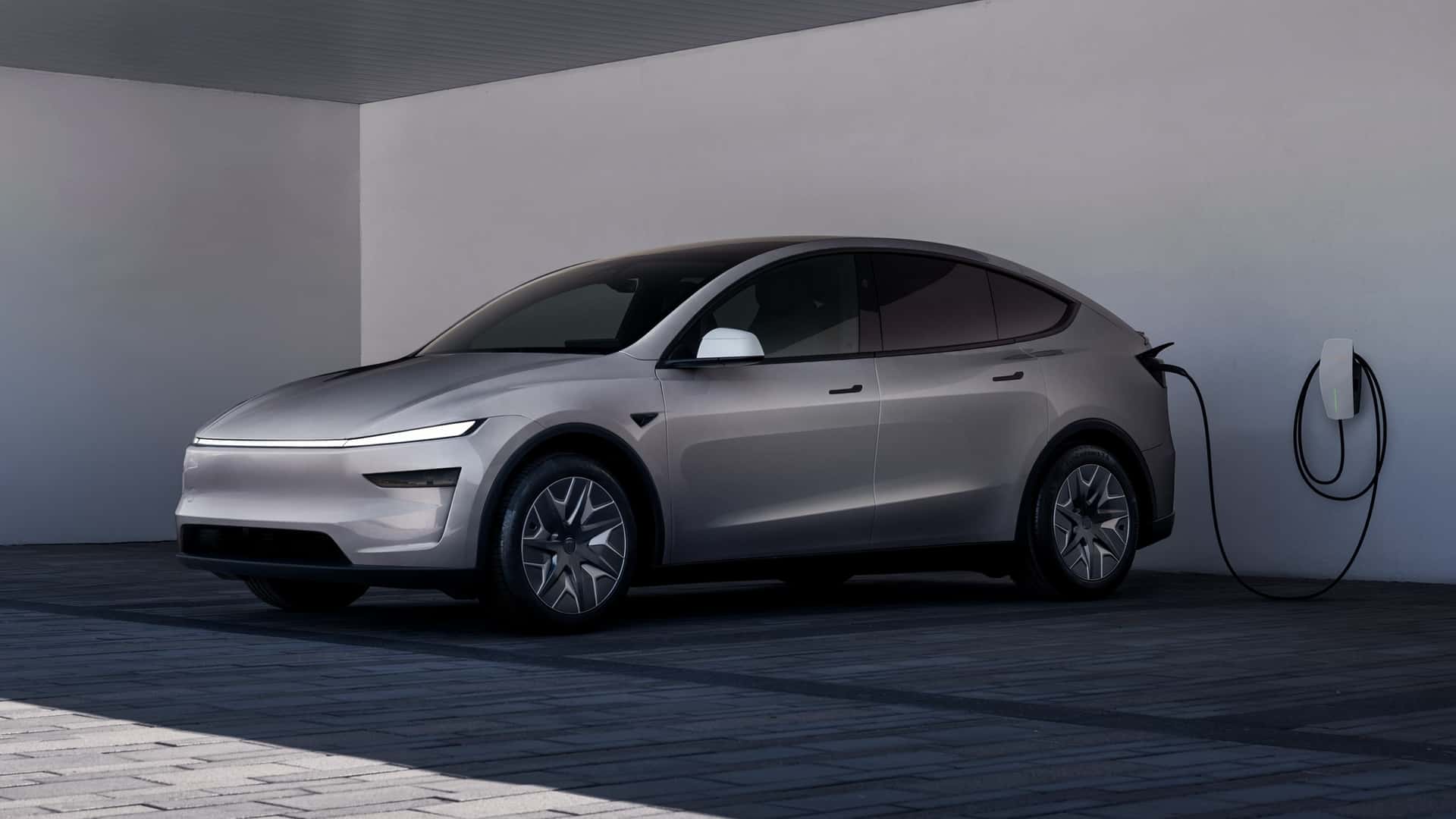
While the progress in coastal hubs and tech centers is encouraging, the iSeeCars study also highlights a sobering reality for many Americans living in the Midwest, the South, and the Mountain West. Despite the nationwide push for electrification, many major American cities are failing to provide adequate charging locations for their residents, creating a significant barrier to entry for those who cannot charge their vehicles at home.
The city of Louisville, Kentucky, sits at the bottom of the rankings among major metropolitan areas. With only 621 public chargers to serve its entire population, the city suffers from a ratio of 2,904 residents per charger. This level of scarcity can make EV ownership nearly impossible for apartment dwellers or those who rely on public infrastructure for their daily commute.
Milwaukee, Wisconsin, faces similar challenges, with just 852 chargers available, resulting in 2,716 residents per station. Texas, a state known for its massive highway systems and car-centric culture, also sees two of its major hubs on the "least friendly" list. San Antonio has a ratio of 2,666 residents per charger, while Houston sits at 2,453. Interestingly, while these cities struggle, the state of Texas as a whole does not rank among the bottom ten states for total charging infrastructure—that dubious honor belongs to Alaska.
The geographic distribution of the "Fewest Chargers" list reveals a clear regional trend. Outside of the major cities, the states with the lowest density of chargers include Alaska, the Dakotas, Wyoming, and Montana. These are vast, sparsely populated states characterized by long distances between towns and harsh winter climates.
The climate factor cannot be understated in the discussion of EV adoption. Cold weather is notoriously difficult for battery-electric vehicles, as low temperatures can significantly reduce battery efficiency and slow down charging speeds. In states like Wyoming or North Dakota, where sub-zero temperatures are common for several months of the year, the combination of reduced range and a lack of charging stations creates a "perfect storm" of logistical difficulty for EV owners.
Furthermore, states like West Virginia, Mississippi, Nebraska, Delaware, and Idaho round out the list of areas with the fewest chargers per capita. In many of these regions, the lack of infrastructure is often tied to a lack of state-level mandates or incentives, as well as a slower rate of consumer demand. Without a critical mass of EV drivers, private charging companies are less likely to invest in expensive DC fast-charging installations, leading to a cycle of stagnation.
The distinction between Level 2 and Level 3 chargers is also a critical component of the study. Level 2 chargers are ideal for "destination charging," such as at a workplace or a hotel, where a vehicle can sit for several hours. Level 3/DC fast chargers, however, are the backbone of long-distance travel and quick urban turnarounds, capable of replenishing a battery to 80 percent in as little as 20 to 30 minutes. In many of the "least friendly" cities, the few chargers that do exist are often slower Level 2 units, further complicating the lives of those who need a quick boost.
As the federal government continues to roll out funding through initiatives like the National Electric Vehicle Infrastructure (NEVI) Formula Program, the hope is that these gaps in the map will begin to close. The goal is to create a reliable network of fast chargers every 50 miles along major travel corridors, which would specifically help the states currently lagging behind.
For now, however, the iSeeCars study serves as a vital guide for consumers. It highlights that while the dream of a gas-free future is becoming a reality for residents of San Francisco and San Diego, those in Louisville or Milwaukee still face a steep climb. The 13.2 percent national improvement is a step in the right direction, but until the "patchwork" becomes a seamless grid, the "pain at the pump" may simply be traded for the frustration of a "charger not found" notification.