Understanding Aging and the Decline of Smell
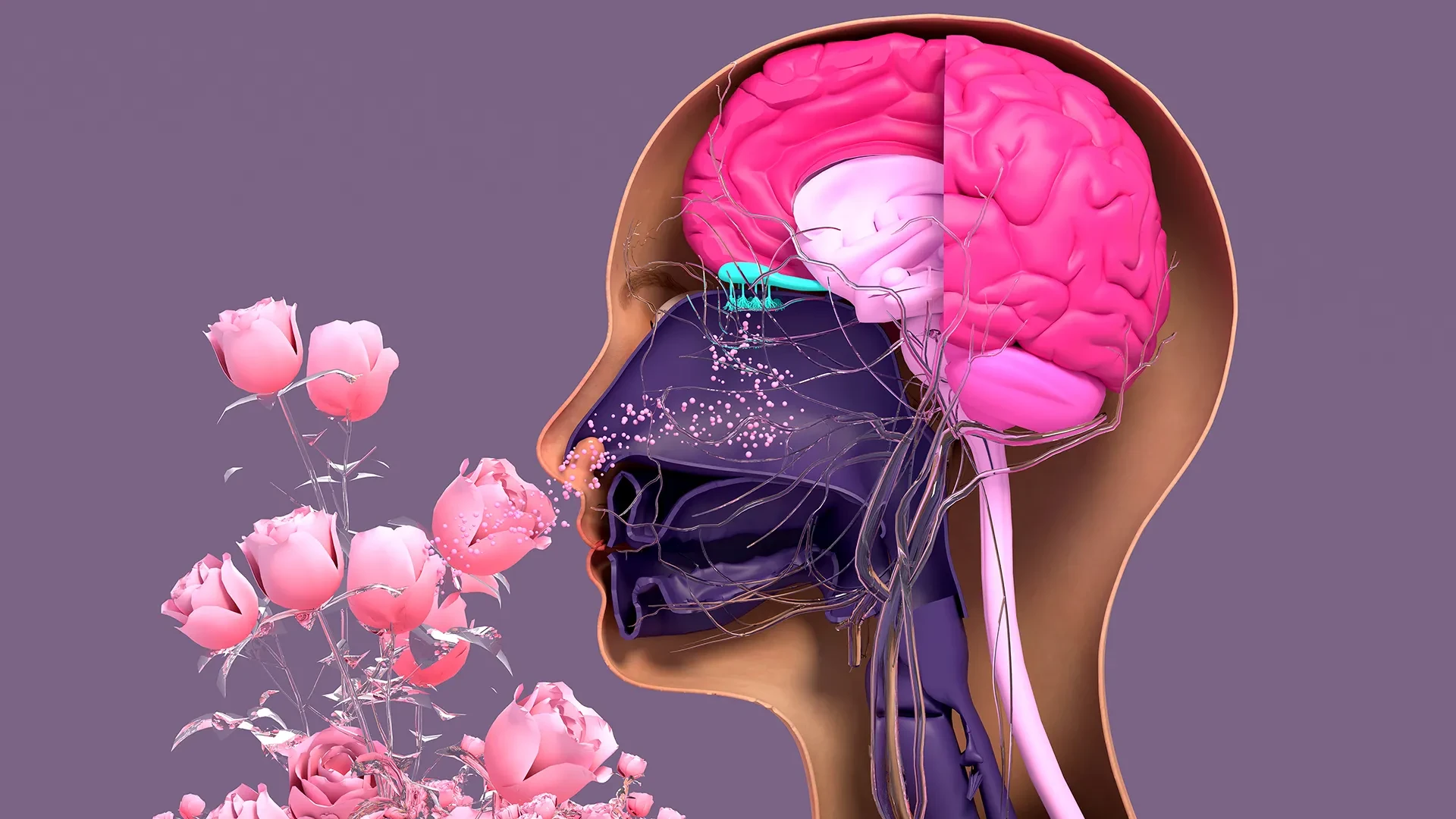
Beyond identifying the roles of specific cell types, the Tufts team used their 3D model to investigate one of the most common causes of olfactory loss: aging. As humans age, the sense of smell often dulls, a condition that can impact nutrition, safety, and overall quality of life. Until now, the exact cellular mechanics behind this decline remained somewhat elusive.
The researchers compared cells harvested from mice of different ages and grew them within their organoid model to observe how age impacted the regenerative process. They found a clear and measurable decline in the ability of cells from older mice to generate new neurons.
"We found a decline in the ability of the older mice cells to generate new neurons," Lin said. "We think this is due to a decrease in the GBC population as we age, but we need to do more work to test this hypothesis and if so, develop ways to rejuvenate them."
The study suggests that as the population of GBCs dwindles or becomes less efficient with age, the entire regenerative cycle slows down. If the HBCs and GBCs are indeed interdependent, the failure of one group inevitably hampers the other, leading to a permanent reduction in the number of active sensory neurons. This insight is particularly valuable for researchers looking to develop therapies that could potentially "restart" or "rejuvenate" the stem cell environment in the elderly, helping them regain a sense of smell that has faded over decades.
An Easy-To-Use Model
One of the most significant contributions of this study is the model itself. The lead author of the study, Juliana Gutschow Gameiro, joined the Tufts team as a visiting Ph.D. student from the State University of Londrina in Brazil. Her primary goal was to create a 3D organoid model that was not only biologically accurate but also accessible to the wider scientific community.
In the world of high-level biological research, specialized equipment and expensive reagents can often limit the ability of smaller labs to contribute to major breakthroughs. Gameiro and Lin sought to democratize the study of olfactory tissue by designing a model that was easy to create, even in labs with limited funds.
The timing of this development is critical. Since the onset of the global COVID-19 pandemic, interest in the olfactory system has surged. The virus’s well-documented ability to cause sudden and sometimes permanent loss of smell has brought a new level of urgency to the field. Furthermore, smell loss is increasingly recognized as an early warning sign for neurodegenerative conditions, such as Parkinson’s disease and Alzheimer’s.