Recognizing this surge in interest, the team designed the mouse-tissue organoid to be "easy-to-create." By providing a simplified protocol that can be replicated in labs with limited funds and standard equipment, they hope to democratize the study of the sense of smell. This approach allows scientists who may not be stem cell specialists—such as virologists studying how COVID-19 enters the nervous system or toxicologists looking at air pollution—to incorporate high-quality olfactory tissue models into their work.
Next Step: A Human Organoid
While the mouse model has provided a wealth of new information regarding the fundamental mechanics of stem cell interdependence, the ultimate objective of the Tufts team is to translate these findings into human health applications. The next major milestone on their roadmap is the development of a human olfactory organoid.
The potential for a human-specific model is vast. In the pharmaceutical industry, organoids serve as a bridge between early-stage laboratory research and human clinical trials. They allow for "pre-clinical" drug screening that is often more accurate than animal testing, as they utilize actual human cells and replicate the complex 3D structure of human organs. While organoids for the lungs, kidneys, and liver have been in use for several years, the olfactory system has remained a difficult frontier.
The primary obstacle is the difficulty of obtaining pure, viable human olfactory tissue. "It’s challenging to get pure olfactory tissue from humans," Lin notes. Currently, the process involves a procedure where a patient is anesthetized, and a medical professional uses a specialized brush—similar to a long COVID-19 testing swab—to reach deep into the upper nasal cavity to collect cells.
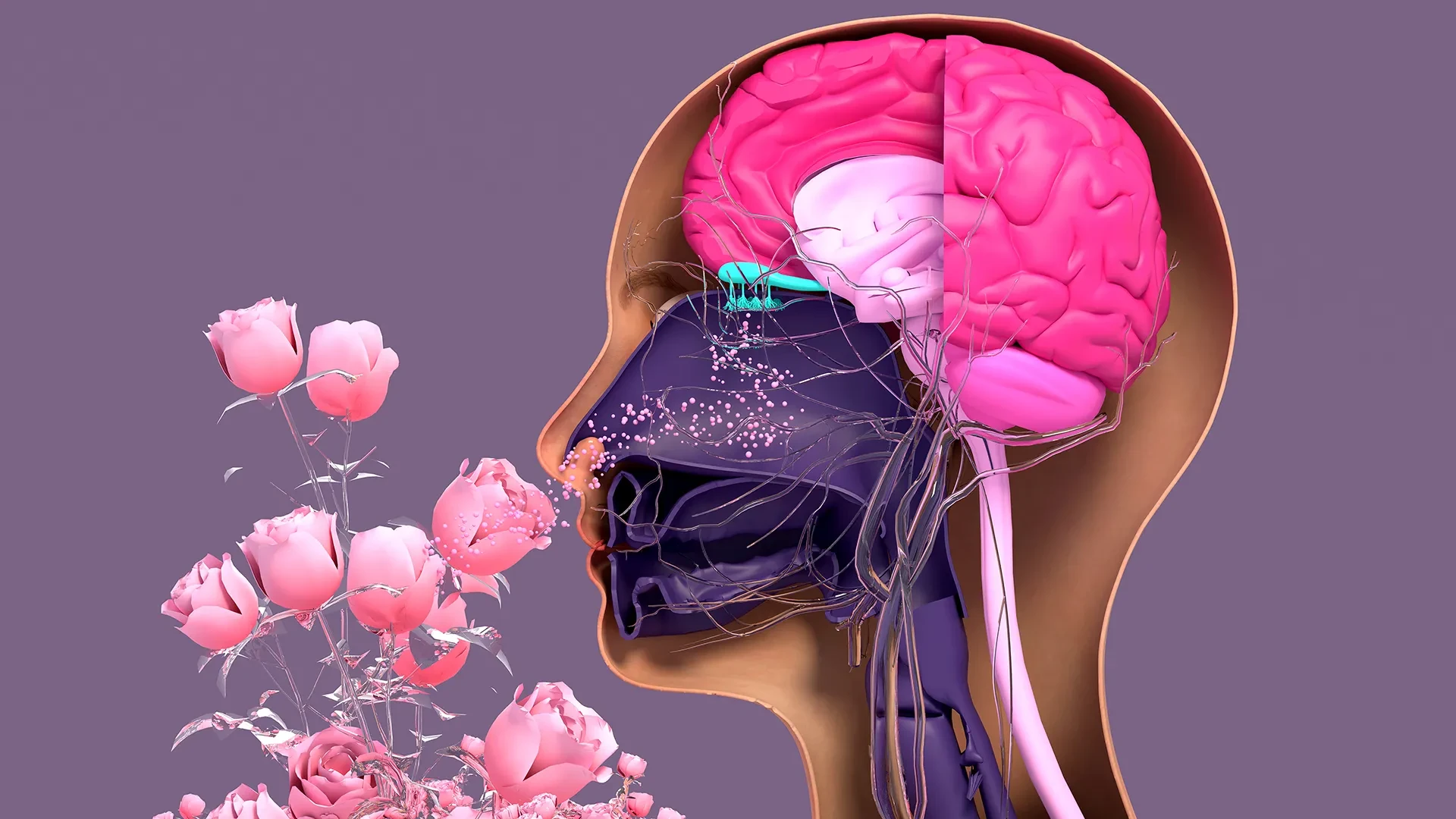
However, the biology of the human nose presents a complication that the mouse model does not: the close proximity and intermingling of different tissue types. When cells are collected via the brush method, the sample typically contains a mixture of respiratory stem cells (which line the majority of the nasal passage) and olfactory stem cells. In the laboratory, these two types are notoriously difficult to separate, making it hard to grow a pure olfactory organoid that accurately reflects the sensory system.
The research team is now focused on overcoming this technical hurdle. Their goal is to develop a simple and cost-effective technique to isolate human olfactory stem cells from respiratory ones and "coax" them into forming the same supportive 3D structures seen in their mouse model.
Once perfected, a human olfactory organoid could revolutionize how we treat sensory loss. It would provide a platform to test new drugs that could "wake up" dormant stem cells or replace those lost to disease. For the millions of people worldwide suffering from long-term smell loss following viral infections or due to the progression of age, the work being done in the labs at Tufts offers a promising pathway toward reclaiming one of the most fundamental ways we experience the world.