Insights into Aging and Sensory Decline
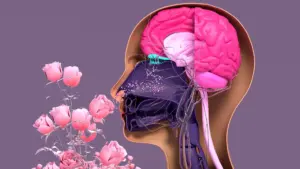
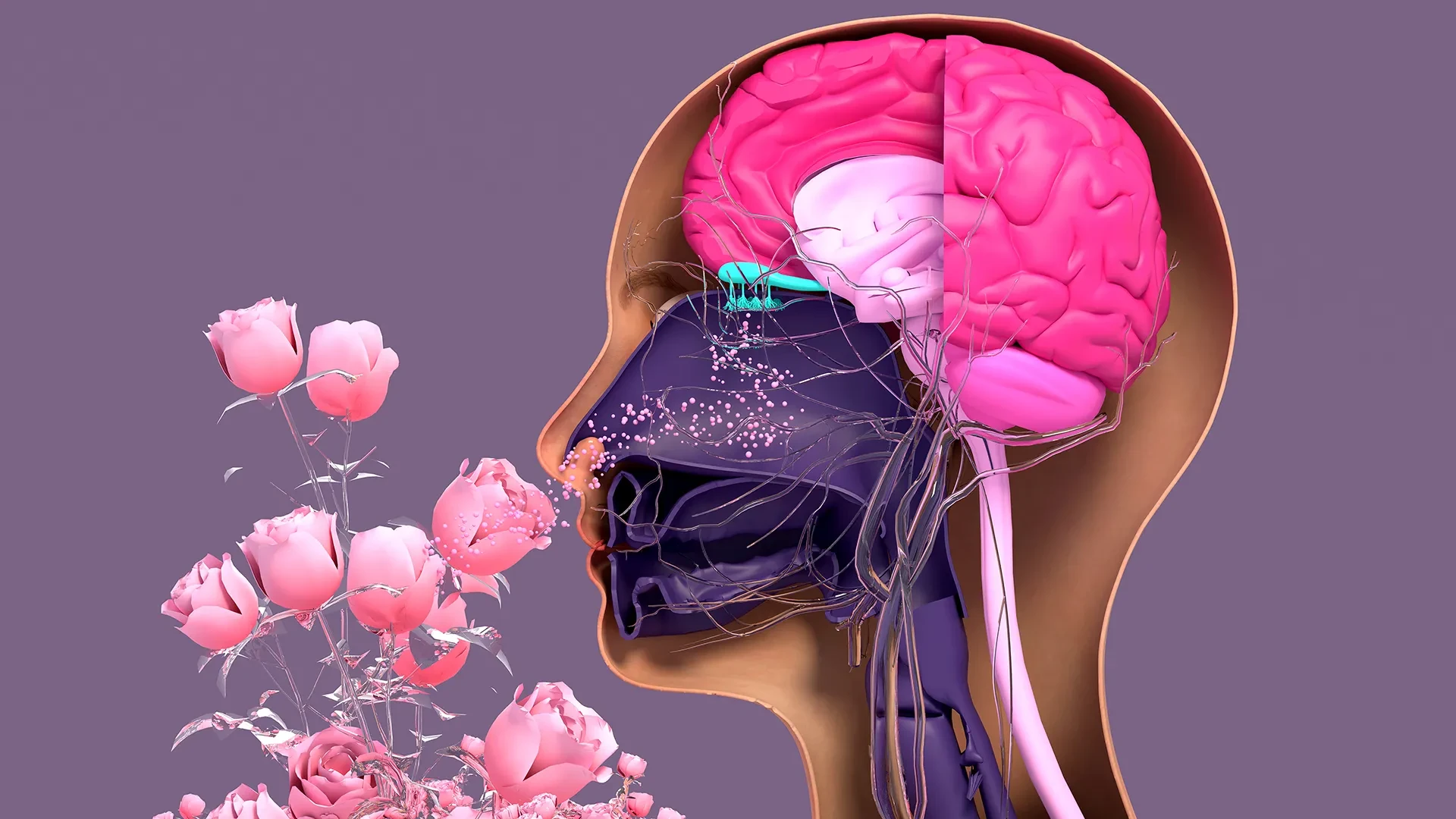
One of the most pressing questions in olfactory research is why the sense of smell inevitably declines as people grow older. This loss is more than a minor inconvenience; it is often linked to decreased appetite, depression, and in some cases, it serves as an early warning sign for neurodegenerative diseases like Alzheimer’s and Parkinson’s.
To investigate this, Lin and his colleagues utilized their model to compare cells harvested from mice of various ages. When they attempted to grow organoids using cells from older subjects, they observed a marked decline in the ability to generate new sensory neurons.
"We found a decline in the ability of the older mice cells to generate new neurons," says Lin. "We think this is due to a decrease in the GBC population as we age, but we need to do more work to test this hypothesis and if so, develop ways to rejuvenate them."
The 3D model allows researchers to isolate these variables in a way that traditional 2D cell cultures or whole-animal studies cannot. By observing how the interaction between HBCs and GBCs falters over time, the team hopes to identify the molecular "brakes" that slow down regeneration in the elderly. If the GBC population is indeed the bottleneck, future therapies might focus on stimulating these cells or enhancing the supportive signals they receive from the HBCs to restore youthful regenerative capacity.
An Easy-To-Use Model for Global Research
The development of the organoid itself is as much a part of the breakthrough as the biological findings it produced. The study’s lead author, Juliana Gutschow Gameiro, a former Ph.D. student who visited the Graduate School of Biomedical Sciences at Tufts from the State University of Londrina in Brazil, was instrumental in this effort.
Gutschow Gameiro and Lin set out with a specific goal: to create a model that was not only effective but also accessible. In the world of high-tech biological research, many advanced models require prohibitively expensive equipment, proprietary reagents, or highly specialized training that limits their use to the world’s most well-funded institutions.
"Because loss of smell is associated with COVID-19, as well as with Parkinson’s disease and other conditions, a much larger number of researchers from a variety of different fields have begun researching olfactory epithelial cells in the last few years," says Lin.