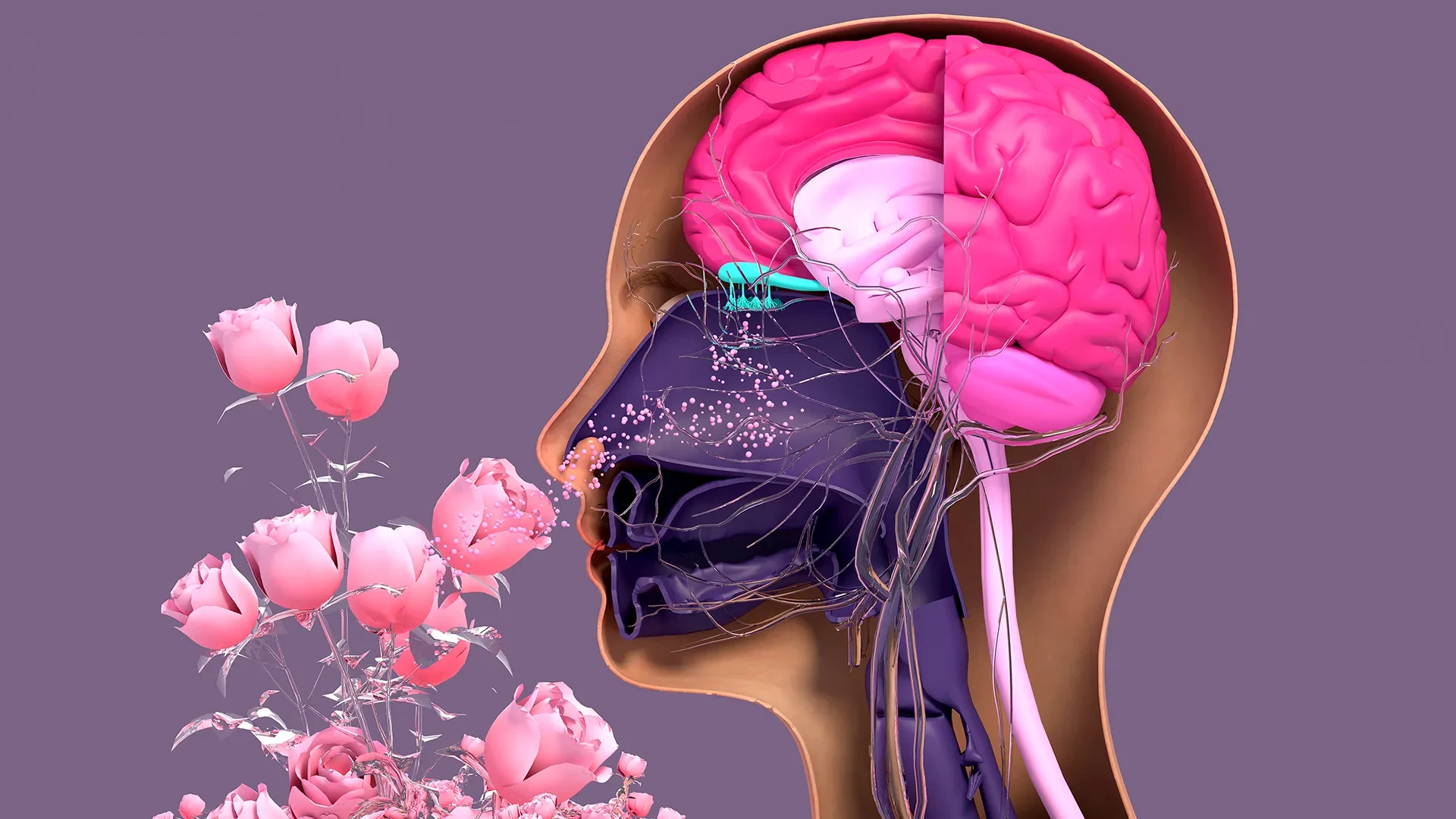
The pandemic acted as a catalyst for olfactory research, as millions of people worldwide experienced sudden sensory loss. Furthermore, the link between a declining sense of smell and early-stage neurodegenerative diseases like Parkinson’s and Alzheimer’s has made the study of the nasal epithelium a priority for neurologists. By providing an easy-to-create model, the Tufts team is empowering a broader spectrum of the scientific community—including those who may not be stem cell specialists—to investigate how these neurons regenerate and why that process eventually fails.
Next Step: A Human Organoid
While the mouse-tissue model has provided invaluable insights, the researchers are already looking toward the next frontier: the human nose. The transition from animal models to human tissue is a critical step in translating laboratory findings into clinical treatments.
The ultimate vision is to develop a human olfactory organoid that can serve as a platform for drug screening. Such a model would allow pharmaceutical researchers to test potential treatments for anosmia or age-related sensory decline in a controlled, lab-grown environment that accurately reflects human biology.
Organoids offer several advantages over traditional research methods. They are faster and less expensive than whole-animal studies and provide a more complex, realistic environment than simple 2D cell cultures. While organoids have already been successfully developed for other organs, such as the lungs and kidneys, the human olfactory system has proven particularly elusive.
The primary hurdle is the difficulty of obtaining pure olfactory tissue from human subjects. "It’s challenging to get pure olfactory tissue from humans," Lin notes. Currently, the process involves anesthetizing a patient and using a tool similar to a COVID-19 testing swab, which must be pushed deep into the nasal cavity to reach the olfactory epithelium.
However, even when tissue is successfully collected, it is often a mixture of different cell types. Unlike the relatively "clean" samples used in their mouse model, human samples are frequently contaminated with respiratory stem cells, which are structurally similar but functionally distinct from olfactory stem cells. Separating these two populations is a complex task that currently limits the scalability of human olfactory organoid production.
The research team’s next challenge is to refine a simple and cost-effective technique for isolating these human olfactory stem cells. Once they can reliably separate these cells and "coax" them into growing in the laboratory, the path will be clear for a new generation of treatments.
As the scientific community continues to grapple with the long-term effects of the pandemic and the challenges of an aging global population, the work being done at Tufts offers a glimmer of hope. By uncovering the hidden partnership between "dormant" and active stem cells, these researchers are not just mapping the biology of the nose—they are laying the groundwork for a future where the loss of smell is no longer an inevitable part of the human experience.