In the complex landscape of human biology, the sense of smell often occupies a paradoxical position. While frequently overlooked in favor of sight or hearing, its sudden absence—whether through viral infection, environmental trauma, or the steady march of time—can profoundly diminish a person’s quality of life. Unlike the delicate and often irreplaceable neurons of the central nervous system, however, the sensory neurons housed within the nasal cavity possess an extraordinary, near-miraculous capacity for self-renewal. These cells are the frontline soldiers of the olfactory system, constantly exposed to the harsh realities of the external environment, from airborne toxins to infectious pathogens.
Now, a pioneering study from the Tufts University School of Medicine and the Graduate School of Biomedical Sciences (GSBS) has shed new light on how this regenerative engine operates. By developing a sophisticated, three-dimensional model of olfactory tissue, researchers have overturned long-held assumptions about the stem cells responsible for maintaining our sense of smell. The study, published recently in the journal Cell Reports Methods, suggests that a specific type of stem cell previously dismissed as largely dormant may, in fact, be a central protagonist in the story of nasal tissue repair.
The Frontline of Sensory Regeneration
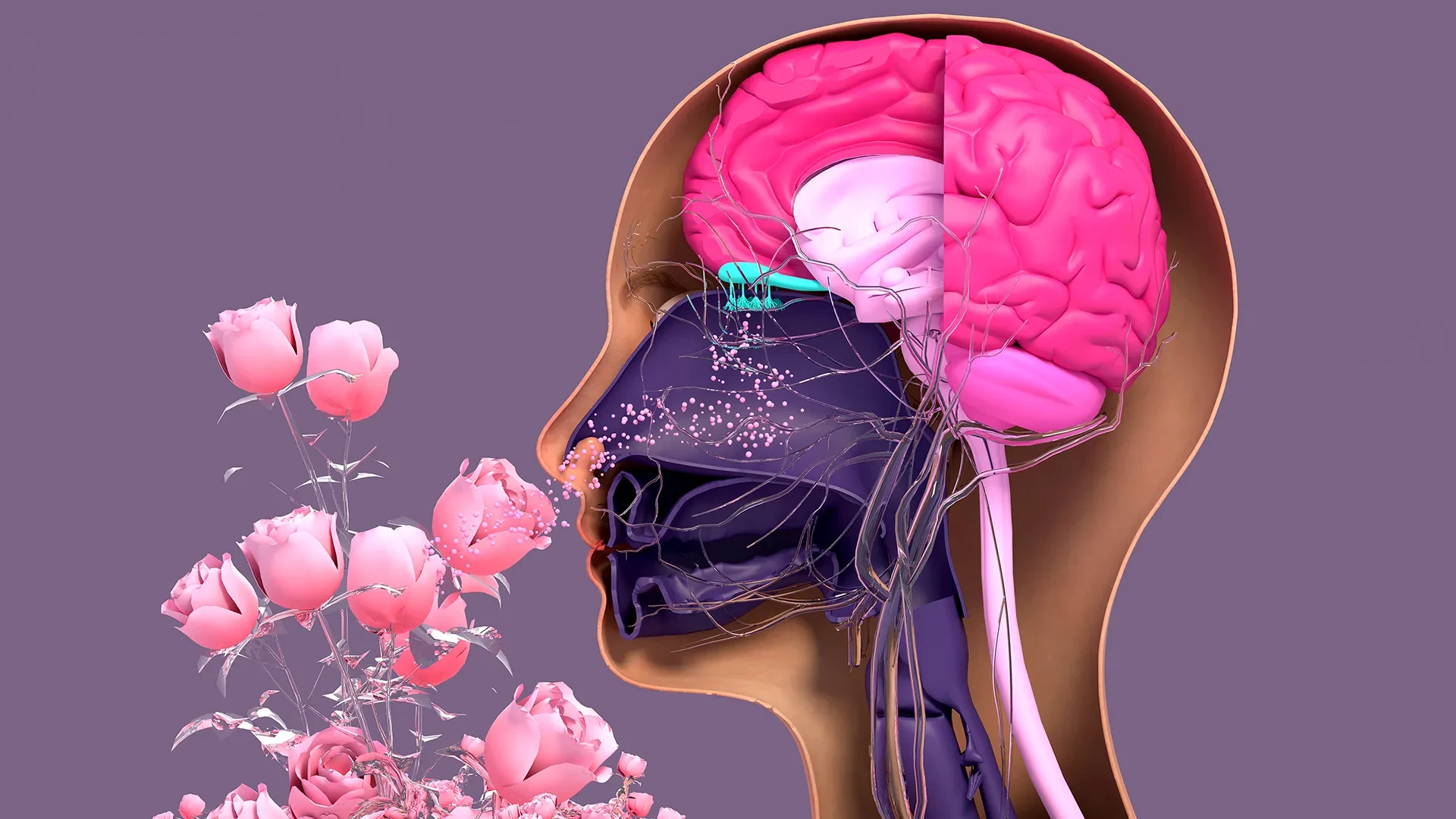
The nasal cavity is a unique biological theater. Unlike the brain, which is shielded by the skull and the blood-brain barrier, the olfactory epithelium is in perpetual contact with the outside world. This exposure makes the sensory neurons responsible for smell highly susceptible to damage. In a healthy individual, these neurons are replaced regularly throughout their lifespan, a process of neurogenesis that remains one of the most robust examples of regeneration in the adult body.
However, this regenerative capability is not invincible. Viral infections—most notably COVID-19—as well as exposure to industrial toxins, cigarette smoke, and the natural physiological changes associated with aging can severely hamper the ability of these cells to replicate. When the birth of new neurons fails to keep pace with the death of old ones, the result is anosmia (the total loss of smell) or hyposmia (a partial loss).
To investigate why this process fails and how it might be restored, the Tufts research team, led by senior author Brian Lin, a research assistant professor in the Department of Developmental, Molecular and Chemical Biology, sought to create a more accurate representation of the nasal environment. Their solution was the development of a three-dimensional olfactory organoid—a "mini-organ" grown in a lab that mimics the structure and function of actual mouse tissue.
Reevaluating the Role of "Dormant" Stem Cells
Central to the study’s findings is the interaction between two primary types of stem cells found in the nose: horizontal basal cells (HBCs) and globose basal cells (GBCs). For years, the prevailing scientific consensus suggested a clear division of labor. GBCs were seen as the active "workhorses," constantly dividing to produce new sensory neurons under normal conditions. In contrast, HBCs were viewed as a reserve force—dormant cells that only sprang into action following a catastrophic injury to the tissue.
The Tufts study challenges this binary view. Using their new 3D model, the researchers discovered a much more nuanced and interdependent relationship between the two cell types.
"Our research suggests that these two stem cells may be interdependent," explains Dr. Lin. "One type that we thought was largely dormant—HBCs—may actually play a crucial role in supporting the production of new neurons and the repair of damaged tissue."
Through meticulous observation of the organoid cultures, the team identified a specific subpopulation of HBCs characterized by the production of a protein known as KRT5. Rather than sitting idly by, these KRT5-positive HBCs appeared to actively facilitate the generation of new olfactory neurons. The evidence became clear when the researchers experimented with the composition of the organoids. When these specific HBCs were selectively removed from the cultures, the production of new neurons was significantly impaired.