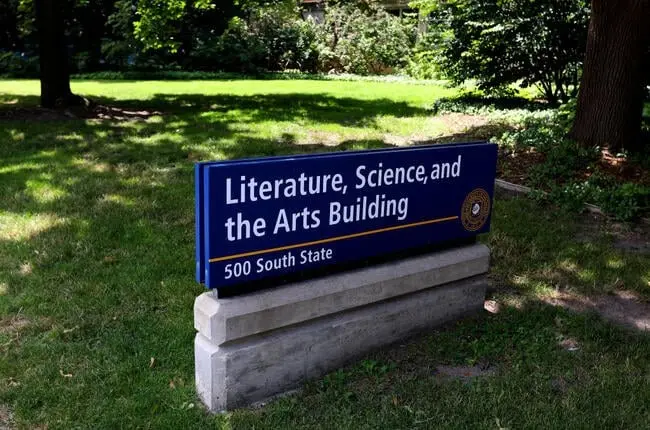

The College of Literature, Science, and the Arts originally proposed the pass–no credit system as a direct response to the escalating mental health challenges observed among college-aged individuals nationwide. When the pilot was first announced in August, university officials framed it as a proactive measure to "help students start strong."
The transition from high school to a Tier 1 research university like Michigan is often cited as a period of extreme stress. For many students, the first semester is a high-stakes adjustment period involving not only advanced coursework but also the social and emotional challenges of independence. The LSA’s proposal sought to create a "grace period" where students could acclimate to the university’s high academic expectations without the immediate fear that a single difficult course or a rocky transition period would permanently damage their long-term GPA.
Under the paused plan, the "pass–no credit" designation was intended to encourage intellectual risk-taking. Proponents of such systems argue that when students are not hyper-focused on the impact of a grade on their permanent record, they are more likely to engage deeply with the material, explore unfamiliar subjects outside their comfort zones, and develop more sustainable study habits. The university had emphasized that the "rigor" would remain unchanged; professors would still hold students to the same standards, and the "pass" threshold would still require satisfactory academic performance.
An Uncertain Future for the Pilot
Despite the clear pedagogical and wellness-based reasons for the pilot, the university’s leadership has decided that the current climate is too volatile to proceed. An update posted to the University of Michigan’s official website confirmed that the pause was requested "to allow further input, analysis, and discussion."
This move highlights the delicate balancing act that modern universities must perform between internal academic innovation and external public relations. While the LSA had designed the program based on internal data regarding student success and well-being, the external reaction—fueled by social media and national news outlets—created a pressure that the administration felt could not be ignored.
The details of what this "pause" will entail remains vague. President Grasso’s letter did not provide a specific timeline for when the pilot might be reconsidered or what specific metrics would be used to evaluate its viability during this interim period. Furthermore, a spokesperson for the College of Literature, Science, and the Arts declined to provide additional commentary on the duration of the pause or the specific nature of the "additional input" the university intends to seek.
This lack of clarity leaves both current faculty and prospective students in a state of limbo. Faculty members who had begun preparing for the shift in grading philosophy for the 2027 academic year must now revert to traditional grading expectations, while the "Class of 2031"—those who would have been the first to experience the pilot—face an uncertain landscape regarding their first-semester evaluations.