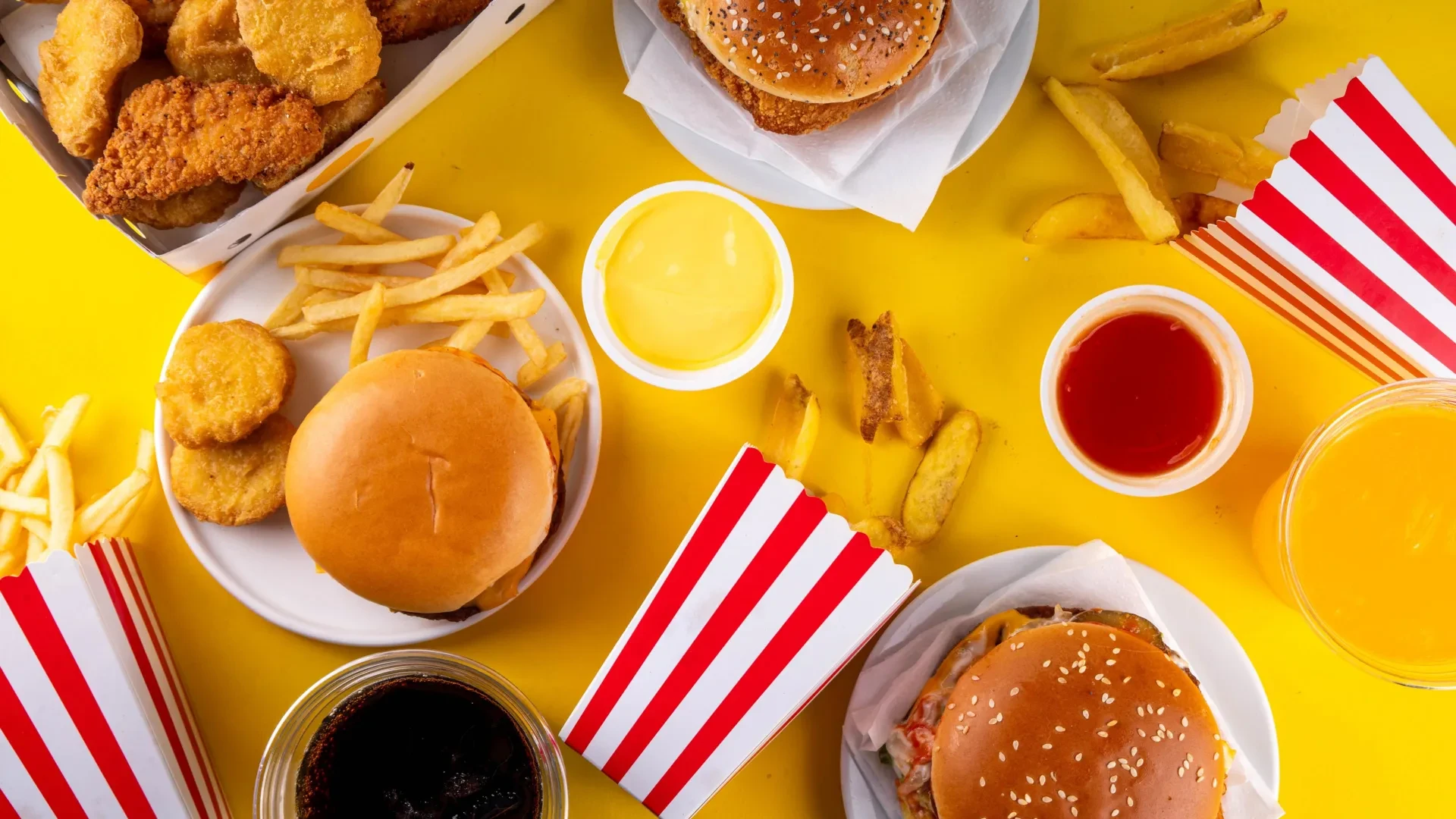
In the landscape of modern nutrition, the term "ultra-processed food" has become synonymous with poor health outcomes. From obesity to cardiovascular disease, these industrial formulations—often high in salt, sugar, and additives—have been frequently cast as the primary villains of the Western diet. However, a landmark study involving more than 460,000 Americans is now providing a more nuanced perspective on the relationship between these foods and one of the most prevalent forms of malignancy: colorectal cancer (CRC).
The research, led by Erikka Loftfield of the National Cancer Institute and published on October 15 in the open-access journal PLOS Medicine, offers a sophisticated breakdown of how processing affects health. While the study found that a high total intake of ultra-processed foods (UPFs) was not associated with an overall increase in the incidence of colorectal cancer, the data revealed a complex internal logic. The health impact, researchers discovered, appears to depend less on the level of processing itself and more on the specific nutritional content and the type of food being consumed.
A Massive Study Tracks Cancer Risk for Nearly 19 Years
The scale of the investigation is among the largest of its kind, drawing from the NIH-AARP Diet and Health Study. To reach their conclusions, the research team analyzed the health and dietary records of 461,682 individuals. At the time of enrollment in 1995 and 1996, the participants were between the ages of 50 and 71, providing a robust window into the dietary habits of a generation that has seen the rapid expansion of the processed food industry.
At the outset of the study, participants were required to complete detailed questionnaires regarding their dietary habits, specifying the frequency and quantity of various food items. Researchers used these self-reported data points to categorize foods and estimate each individual’s intake of ultra-processed products. Following this initial assessment, the cohort was tracked through 2018, representing a median follow-up period of 18.8 years.
This nearly two-decade-long observation period allowed the team to monitor the development of colorectal cancer across a vast population, providing enough data to identify subtle trends that smaller studies might miss. When the final numbers were tallied, the initial results were surprising: there was no statistically significant overall association between the total volume of ultra-processed food consumption and the incidence of colorectal cancer. Participants who filled their plates with the highest amounts of UPFs did not, as a broad group, face a higher risk of the disease than those who consumed the least.
However, this "neutral" finding was only the surface of the story. When the researchers began to disaggregate the data into specific food categories, a much more complicated and instructive picture began to emerge.
The Complexity of the Ultra-Processed Category
Ultra-processed foods currently account for more than half of the total calories consumed by adults in the United States. The category is notoriously broad, encompassing everything from sugar-sweetened beverages and packaged snacks to mass-produced whole-grain breads and fortified dairy products. Because the "ultra-processed" label applies to any food product that has undergone significant industrial transformation—often involving the addition of stabilizers, emulsifiers, and flavor enhancers—it groups together items with vastly different nutritional profiles.
The research highlighted this diversity by showing that not all UPFs behave the same way in the human body. The study found that certain types of ultra-processed foods were actually linked to lower cancer rates, while others were clearly associated with an increased risk. This suggests that the degree of processing may be a less important factor in cancer risk than the underlying nutrients the food provides.