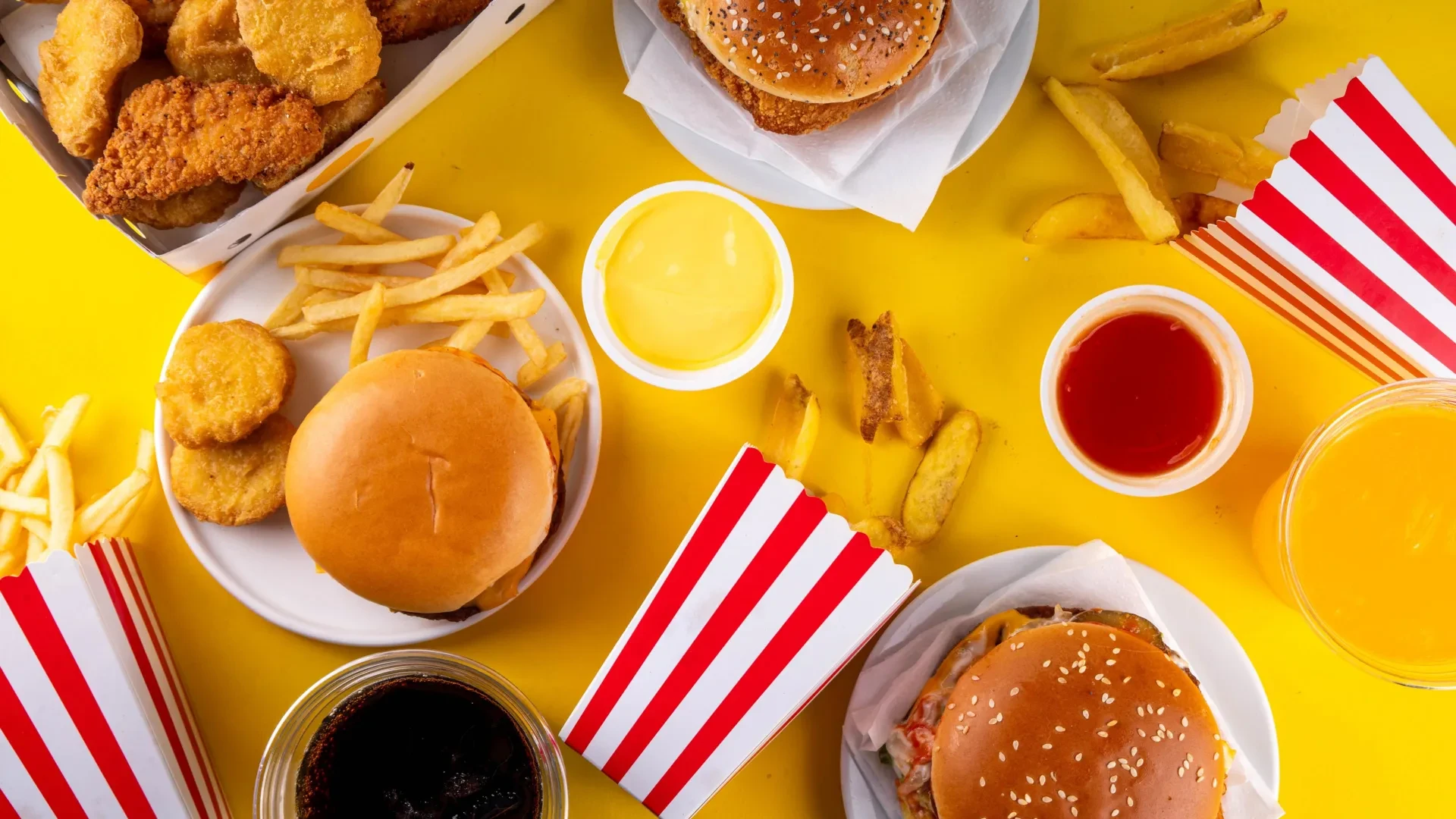
In the landscape of modern nutrition, the term "ultra-processed food" has become synonymous with poor health outcomes. From obesity to cardiovascular disease, these industrial formulations—often high in salt, sugar, and additives—have been frequently cast as the primary villains of the Western diet. However, a landmark study involving more than 460,000 Americans is now providing a more nuanced perspective on the relationship between these foods and one of the most prevalent forms of malignancy: colorectal cancer (CRC).
The research, led by Erikka Loftfield of the National Cancer Institute and published on October 15 in the open-access journal PLOS Medicine, offers a sophisticated breakdown of how processing affects health. While the study found that a high total intake of ultra-processed foods (UPFs) was not associated with an overall increase in the incidence of colorectal cancer, the data revealed a complex internal logic. The health impact, researchers discovered, appears to depend less on the level of processing itself and more on the specific nutritional content and the type of food being consumed.
A Massive Study Tracks Cancer Risk for Nearly 19 Years
The scale of the investigation is among the largest of its kind, drawing from the NIH-AARP Diet and Health Study. To reach their conclusions, the research team analyzed the health and dietary records of 461,682 individuals. At the time of enrollment in 1995 and 1996, the participants were between the ages of 50 and 71, providing a robust window into the dietary habits of a generation that has seen the rapid expansion of the processed food industry.
At the outset of the study, participants were required to complete detailed questionnaires regarding their dietary habits, specifying the frequency and quantity of various food items. Researchers used these self-reported data points to categorize foods and estimate each individual’s intake of ultra-processed products. Following this initial assessment, the cohort was tracked through 2018, representing a median follow-up period of 18.8 years.
This nearly two-decade-long observation period allowed the team to monitor the development of colorectal cancer across a vast population, providing enough data to identify subtle trends that smaller studies might miss. When the final numbers were tallied, the initial results were surprising: there was no statistically significant overall association between the total volume of ultra-processed food consumption and the incidence of colorectal cancer. Participants who filled their plates with the highest amounts of UPFs did not, as a broad group, face a higher risk of the disease than those who consumed the least.
However, this "neutral" finding was only the surface of the story. When the researchers began to disaggregate the data into specific food categories, a much more complicated and instructive picture began to emerge.
The Complexity of the Ultra-Processed Category
Ultra-processed foods currently account for more than half of the total calories consumed by adults in the United States. The category is notoriously broad, encompassing everything from sugar-sweetened beverages and packaged snacks to mass-produced whole-grain breads and fortified dairy products. Because the "ultra-processed" label applies to any food product that has undergone significant industrial transformation—often involving the addition of stabilizers, emulsifiers, and flavor enhancers—it groups together items with vastly different nutritional profiles.
The research highlighted this diversity by showing that not all UPFs behave the same way in the human body. The study found that certain types of ultra-processed foods were actually linked to lower cancer rates, while others were clearly associated with an increased risk. This suggests that the degree of processing may be a less important factor in cancer risk than the underlying nutrients the food provides.
For example, some ultra-processed products are vehicles for essential nutrients. The study noted that whole-grain breads and certain dairy products, despite being classified as ultra-processed due to their manufacturing methods and additives, were associated with a lower risk of colorectal cancer. This is likely due to the high levels of fiber, calcium, and vitamin D often found in these products—nutrients that have long been recognized for their protective effects against colon and rectal cancers.
Some Ultra-Processed Foods Linked to Lower Cancer Risk
The findings regarding specific food groups provide a roadmap for understanding which processed foods might still hold a place in a healthy diet. According to the data, higher consumption of ultra-processed sources of whole grains, fiber, dairy products, and calcium was associated with a lower incidence of colorectal cancer.
This finding challenges the "all or nothing" approach to dietary processing. It suggests that a packaged, ultra-processed whole-grain loaf may still offer the protective benefits of fiber, even if it contains emulsifiers or preservatives. Similarly, ultra-processed dairy products, which might include certain yogurts or fortified milks, appeared to retain their association with reduced cancer risk.
In sharp contrast, ultra-processed meats showed a consistently negative association. Greater consumption of processed meats—such as deli meats, sausages, and hot dogs—was linked to a higher incidence of colorectal cancer. This aligns with long-standing warnings from organizations like the World Health Organization, which has classified processed meat as a Group 1 carcinogen. The new study reinforces that when it comes to meat, the combination of processing and the nature of the food itself creates a significant health hazard that is not mitigated by other dietary factors.
To further explore the impact of these dietary choices, the researchers conducted a substitution analysis. They modeled what might happen if a portion of ultra-processed foods were replaced with less processed alternatives. Their analysis found that substituting minimally processed foods for just 10% of ultra-processed food intake (by weight) was associated with a 2% lower incidence of colorectal cancer. While 2% may seem small on an individual level, across a national population, such a shift could represent thousands of avoided cancer diagnoses.
Why the Findings Come With Important Limitations
Despite the rigorous nature of the study and the massive sample size, Erikka Loftfield and her colleagues have urged caution in how these results are interpreted. Several limitations inherent in the study’s design mean that the findings may not be universally applicable.
First, the demographic makeup of the study population was relatively narrow. Most participants were older, white Americans. Because dietary patterns, genetic predispositions, and environmental factors can vary significantly across different age groups and racial or ethnic backgrounds, the results may not accurately reflect the risks faced by younger adults or more diverse populations. This is particularly relevant as the incidence of early-onset colorectal cancer—diagnosed in adults under the age of 50—has been rising in recent years.
Second, the method of data collection relied on a single dietary "snapshot." Participants reported their eating habits only once, at the start of the study in the mid-1990s. The researchers were unable to account for how an individual’s diet might have changed over the following twenty years. Furthermore, the landscape of the American food system shifted dramatically between 1995 and 2018. The variety and availability of ultra-processed foods increased significantly during this window, meaning the initial assessments may have underestimated the actual lifetime consumption of these products by the participants.
Finally, the study was observational in nature. While it can identify correlations between certain foods and cancer rates, it cannot definitively prove a cause-and-effect relationship. Other lifestyle factors, such as physical activity, smoking, or underlying health conditions, could also play a role in the observed outcomes, although researchers attempt to control for these variables.
What the Results Mean for a Healthy Diet
The primary takeaway from this research is a call for nuance. Rather than treating all ultra-processed foods as an undifferentiated group of "bad" foods, the findings support a more granular evaluation based on nutritional content. The study suggests that the label "ultra-processed" is not a perfect proxy for "unhealthy," especially when the foods in question are rich in fiber or calcium.
Loftfield explained the significance of these distinctions in a statement accompanying the study: "In this large population of older US adults, we did not observe an association between total ultra-processed food (UPF) intake and colorectal cancer incidence; however, when we looked at food groups, like whole grains, dairy, and meat, by UPF or non-UPF source, we found that associations were in line with current dietary guidance for colorectal cancer prevention such that higher whole grain and dairy but lower meat intakes were associated with lower colorectal cancer incidence."
These results largely reinforce existing dietary guidelines. For years, health organizations have encouraged the public to increase their intake of whole grains and dairy while strictly limiting processed meats. This study confirms that these rules remain the most reliable markers for reducing colorectal cancer risk, regardless of whether the whole grains or dairy come in a package.
Ultimately, the research highlights that the "ultra-processed" designation may not tell the whole story of a food’s impact on long-term health. While the category remains a useful tool for identifying many low-nutrient, high-calorie foods, it is the specific nutritional profile—the presence of fiber and calcium versus the presence of processed meat compounds—that appears to be the true driver of colorectal cancer risk. For consumers, the message is clear: the ingredients and the type of food matter more than the factory it came from.
Research Funding and Disclosures
The study was supported and funded by the Intramural Research Program of the National Cancer Institute (NCI), part of the National Institutes of Health. Several of the study’s authors, including Loftfield, are current or former employees of the NCI. The funding organization provided the resources for the research but did not participate in the design of the study, the analysis of the data, or the final decision to publish the findings.