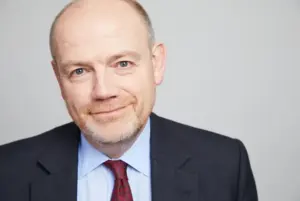
Similarly, Melissa Proctor of the Atlanta Hawks has been a vocal advocate for the "Always True" mantra that has come to define the NBA team’s marketing efforts. Under Proctor’s leadership, the Hawks have leaned heavily into the city’s status as a tastemaker in fashion and music. The team’s home, State Farm Arena, has been reimagined as a "social hub" that mirrors the nightlife and hospitality for which Atlanta is famous. Proctor’s strategy acknowledges that for many fans, the basketball game is just one part of a larger social experience. By integrating local artists, musicians, and influencers into the very fabric of the Hawks’ brand, the team has successfully positioned itself at the center of Atlanta’s contemporary culture.
The Atlanta Braves, represented by Adam Zimmerman, offer a different but equally compelling case study in cultural integration. As the oldest continuously operating franchise in Major League Baseball, the Braves carry a weight of history that few other teams can claim. However, Zimmerman and his team have worked to ensure that the brand remains forward-looking. The move to Truist Park and the development of The Battery Atlanta created a year-round lifestyle destination that blends the nostalgia of baseball with modern retail, dining, and entertainment. Zimmerman’s focus on content and storytelling allows the Braves to bridge the gap between their storied past and a new generation of fans who consume sports through a digital-first lens. The Braves’ "Home Field Advantage" extends beyond the diamond, tapping into the regional pride of the Southeast while maintaining a hyper-local connection to the Atlanta metro area.
Perhaps no team better illustrates the "New Atlanta" than Atlanta United FC. Mike Ridley, who oversees marketing for the MLS club, has been at the forefront of a phenomenon that caught the sports world by surprise when the team launched. Atlanta United didn’t just enter the market; it exploded into it, breaking attendance records and fostering a supporter culture that feels more like a grassroots movement than a corporate entity. Ridley’s approach has been to embrace the city’s international diversity and its youthful energy. By centering the brand around the "Golden Spike" tradition and collaborating with local creatives, Atlanta United has become a symbol of the city’s modern, global identity. For Ridley, the goal is to maintain that authentic connection with a fanbase that views the team as a reflection of their own diverse and vibrant community.
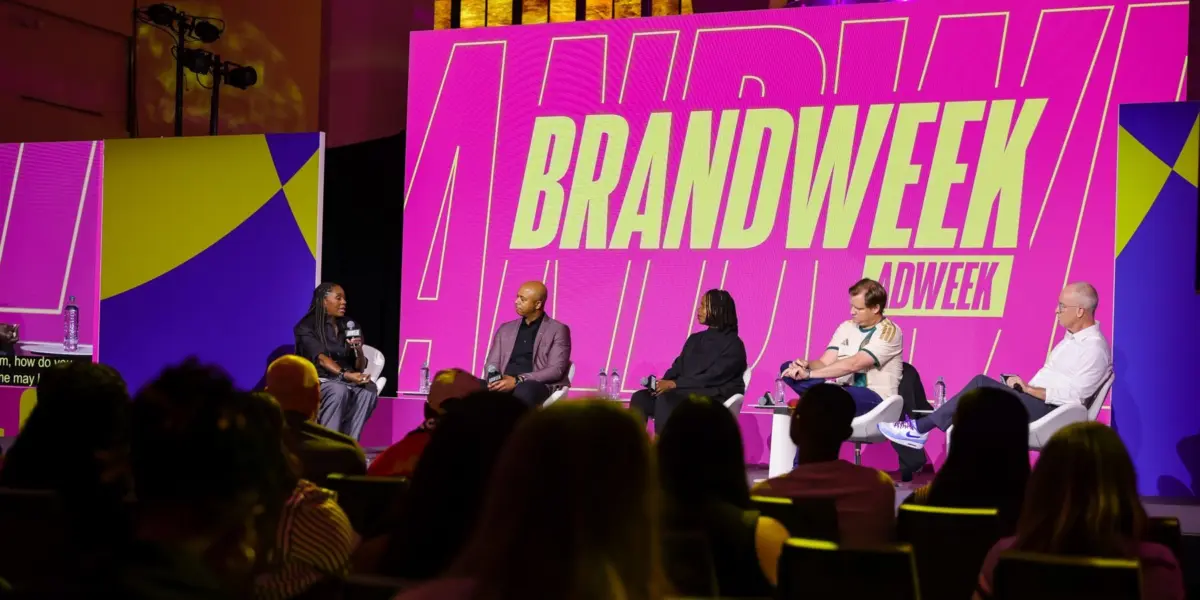
Throughout the session, the panelists returned to the idea that authenticity is the currency of the Atlanta market. Watkins pointed out that because the city’s residents are so deeply connected to its cultural history, they can easily spot marketing that feels forced or insincere. This is why the collaborative spirit among these four teams is so vital. While they are technically competitors for the entertainment dollars of Atlantans, they often find themselves working in concert to elevate the city’s profile on the national and international stage. Whether it is through joint community initiatives or shared marketing platforms, the leaders of these franchises understand that a stronger "Brand Atlanta" benefits everyone.