The intersection of professional sports and regional identity has long been a subject of study for brand architects, but in Atlanta, the relationship is evolving into something far more integrated than simple sponsorship or local pride. During the final day of Brandweek 2026, a gathering of the industry’s most prominent marketing minds, the conversation turned toward the unique ecosystem of the Georgia capital. The consensus among the city’s sports leaders was clear: in Atlanta, sports do not exist in a vacuum. Instead, they serve as a primary artery for the city’s broader cultural expression, weaving together threads of music, history, and community engagement into a singular brand narrative.
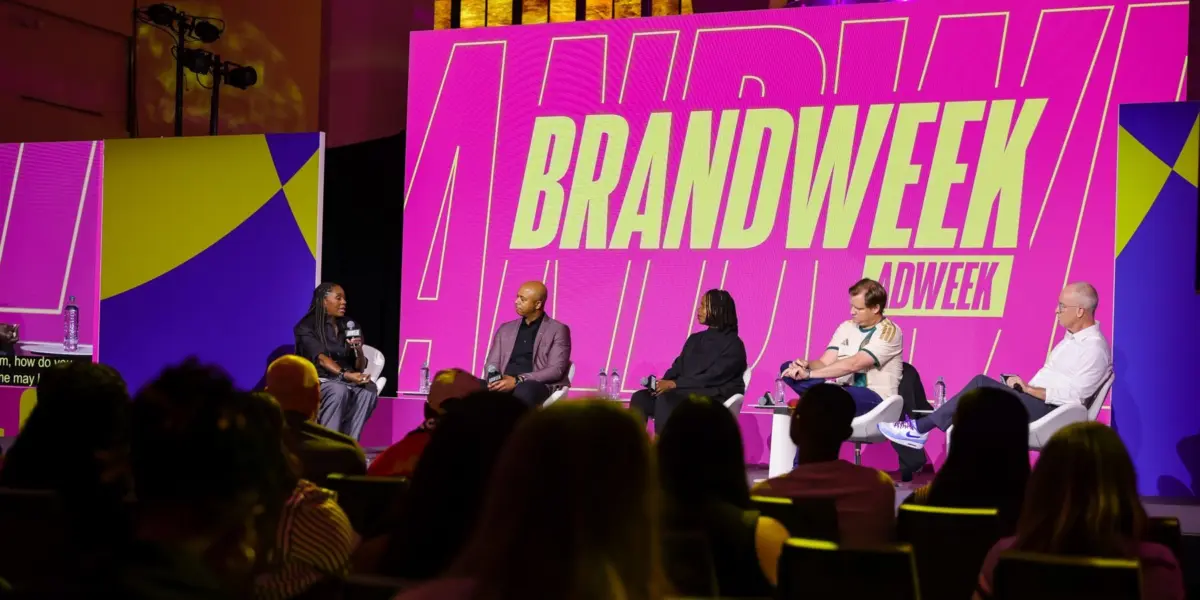
Shannon Watkins, the founder of Watkins Brand Advisors, set the tone for the discussion while moderating a featured session titled "Home Field Advantage." Watkins, a veteran brand strategist with deep roots in the intersection of lifestyle and corporate identity, challenged the traditional notion that sports marketing should be treated as a distinct category of consumer engagement. According to Watkins, the success of Atlanta’s professional franchises stems from their refusal to "operate in a different lane than music or history or community." In her view, sports in Atlanta is not just a pastime or a business sector; it is culture itself.
This philosophical approach to branding was echoed by a panel of executive leaders representing the four major professional sports pillars of the city. Joining Watkins on stage were Shannon Joyner, Chief Marketing Officer of the Atlanta Falcons; Melissa Proctor, Executive Vice President and Chief Marketing Officer for the Atlanta Hawks; Adam Zimmerman, Senior Vice President of Marketing and Content for the Atlanta Braves; and Mike Ridley, Vice President of Marketing for Atlanta United FC. Together, these executives oversee some of the most recognizable brands in professional sports, yet their strategies often look more like those of lifestyle brands or community organizations than traditional athletic departments.
The discussion at Brandweek highlighted how the city’s history—particularly its role as a cradle of the Civil Rights Movement and its emergence as a global capital for hip-hop and film production—has created a fertile ground for sports brands to grow. For these marketers, the challenge is not just selling tickets or merchandise, but ensuring that their respective teams reflect the soul of a city that is constantly reinventing itself. The "Home Field Advantage" isn’t just about the physical stadium; it is about the emotional and cultural resonance the teams have with a diverse and rapidly growing population.
Shannon Joyner of the Atlanta Falcons spoke to the necessity of the NFL franchise remaining deeply embedded in the local community. The Falcons, who play in the heart of the city at Mercedes-Benz Stadium, have long navigated the balance between being a global NFL brand and a local institution. Joyner’s work often focuses on how the team can represent the resilience and "Rise Up" spirit of Atlanta. This involves more than just game-day activations; it requires a year-round presence in the neighborhoods that surround the stadium, ensuring that the brand is seen as a neighbor rather than just a tenant. By aligning the Falcons with the city’s historical narrative of progress and community strength, the team creates a bond with fans that transcends wins and losses on the field.
Similarly, Melissa Proctor of the Atlanta Hawks has been a vocal advocate for the "Always True" mantra that has come to define the NBA team’s marketing efforts. Under Proctor’s leadership, the Hawks have leaned heavily into the city’s status as a tastemaker in fashion and music. The team’s home, State Farm Arena, has been reimagined as a "social hub" that mirrors the nightlife and hospitality for which Atlanta is famous. Proctor’s strategy acknowledges that for many fans, the basketball game is just one part of a larger social experience. By integrating local artists, musicians, and influencers into the very fabric of the Hawks’ brand, the team has successfully positioned itself at the center of Atlanta’s contemporary culture.
The Atlanta Braves, represented by Adam Zimmerman, offer a different but equally compelling case study in cultural integration. As the oldest continuously operating franchise in Major League Baseball, the Braves carry a weight of history that few other teams can claim. However, Zimmerman and his team have worked to ensure that the brand remains forward-looking. The move to Truist Park and the development of The Battery Atlanta created a year-round lifestyle destination that blends the nostalgia of baseball with modern retail, dining, and entertainment. Zimmerman’s focus on content and storytelling allows the Braves to bridge the gap between their storied past and a new generation of fans who consume sports through a digital-first lens. The Braves’ "Home Field Advantage" extends beyond the diamond, tapping into the regional pride of the Southeast while maintaining a hyper-local connection to the Atlanta metro area.
Perhaps no team better illustrates the "New Atlanta" than Atlanta United FC. Mike Ridley, who oversees marketing for the MLS club, has been at the forefront of a phenomenon that caught the sports world by surprise when the team launched. Atlanta United didn’t just enter the market; it exploded into it, breaking attendance records and fostering a supporter culture that feels more like a grassroots movement than a corporate entity. Ridley’s approach has been to embrace the city’s international diversity and its youthful energy. By centering the brand around the "Golden Spike" tradition and collaborating with local creatives, Atlanta United has become a symbol of the city’s modern, global identity. For Ridley, the goal is to maintain that authentic connection with a fanbase that views the team as a reflection of their own diverse and vibrant community.
Throughout the session, the panelists returned to the idea that authenticity is the currency of the Atlanta market. Watkins pointed out that because the city’s residents are so deeply connected to its cultural history, they can easily spot marketing that feels forced or insincere. This is why the collaborative spirit among these four teams is so vital. While they are technically competitors for the entertainment dollars of Atlantans, they often find themselves working in concert to elevate the city’s profile on the national and international stage. Whether it is through joint community initiatives or shared marketing platforms, the leaders of these franchises understand that a stronger "Brand Atlanta" benefits everyone.
The timing of this discussion at Brandweek 2026 is particularly relevant as the city prepares for an unprecedented era of global visibility. With major international sporting events on the horizon, including a central role in the 2026 FIFA World Cup, the eyes of the world are increasingly focused on how Atlanta presents itself. The marketing strategies discussed by Joyner, Proctor, Zimmerman, and Ridley are not just internal business plans; they are the blueprints for how the city will be perceived by millions of visitors and viewers worldwide.
Watkins’ assertion that sports do not "operate in a different lane" serves as a masterclass in modern brand management. In an era where consumers are bombarded with choices, the brands that win are the ones that provide a sense of belonging. In Atlanta, that belonging is found at the intersection of a 40-yard line, a mid-court logo, a home plate, and a soccer pitch—all of which are underpinned by the beats of the city’s music and the echoes of its history.
As the session concluded, the overarching takeaway for the marketing professionals in attendance was the importance of contextual branding. The "Home Field Advantage" is not a static asset; it is a living, breathing relationship that must be nurtured through constant engagement with the community’s values. The executives from the Falcons, Hawks, Braves, and United demonstrated that when a sports team truly understands the culture of its home city, it ceases to be a mere business and becomes an essential part of the civic fabric.
For Watkins and her fellow panelists, the future of sports marketing in Atlanta lies in further blurring the lines between the arena and the street. As the city continues to grow and its demographics shift, the challenge for these brands will be to remain "Always True" to the history that built Atlanta while staying agile enough to lead its future. By treating sports as a cultural cornerstone rather than a separate industry, Atlanta’s teams have created a model for brand loyalty that other cities are now looking to replicate. The lesson from Brandweek is clear: to win the game of modern branding, you must first win the heart of the culture.