The most controversial and perhaps most ambitious of the new features is the "interactive story" component. Powered by generative AI, this tool allows listeners to "ask questions about the story as it unfolds" and even engage in "side-quests" by speaking directly to characters. This feature represents a fundamental departure from the static nature of literature. In this new model, a book is no longer just a fixed sequence of events but a dynamic environment that can respond to the curiosity of the user.
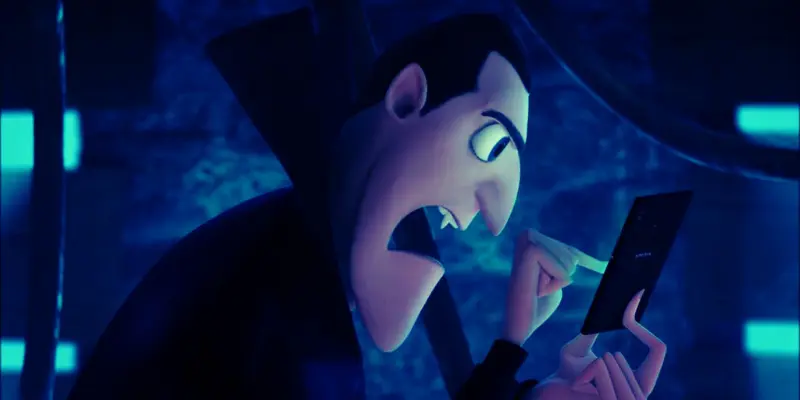
The pilot version of this interactive capability is being launched within a new Audible Original production of Bram Stoker’s Dracula. The choice of Dracula is strategic for several reasons. As a work in the public domain, the text allows for experimental manipulation without the complex legal hurdles associated with modern intellectual property. In this version, listeners who find themselves intrigued by the darker corners of the narrative can choose to chat with Renfield, the Count’s fly-eating, institutionalized familiar. This allows the audience to hear "his side" of the story, with the AI generating responses in real time that remain consistent with the tone and lore of the original work.
The inclusion of AI-generated dialogue has already sparked a conversation among literary purists and industry observers regarding the sanctity of the author’s original vision. To address these concerns, Amazon has assured the press and the public that the interactive feature will only be implemented in contemporary works where it has been explicitly sanctioned by the author or the author’s estate. However, the use of public domain classics like Dracula provides a sandbox where the company can push the boundaries of what it means to "read" a book without immediate copyright friction.
For the modern listener, many of whom consume audiobooks while commuting, exercising, or performing household chores, these visual and interactive aids serve as a much-needed safety net. The ability to glance at a phone screen and see a map of a fictional world or a reminder of a character’s last appearance could significantly lower the barrier to entry for more "difficult" literature. In this sense, the features are being framed as a way to enhance comprehension rather than replace the core experience of the narrative.
However, the "analog curmudgeon" perspective remains a significant part of the cultural discourse. There is a persistent argument that the very act of "getting lost" in a book—of having to exert the mental energy to remember names, visualize landscapes, and interpret a character’s silence—is a vital part of the intellectual engagement that reading provides. By automating these processes and allowing the reader to "talk back" to the characters, there is a risk of turning a contemplative art form into something more akin to a video game or a theme park attraction. The interactive side-quests, while technically impressive, raise questions about narrative authority: if a listener can influence the conversation with Renfield, does that change the fundamental nature of Stoker’s Gothic horror?