The advertising landscape is currently undergoing a period of intense creative experimentation, blending high-concept storytelling with the undeniable draw of global celebrity. As the industry looks toward the upcoming ADWEEK House, scheduled to transform Midtown Manhattan from October 5 to October 8, the latest slate of campaigns highlights a strategic shift toward nostalgia, meta-humor, and data-driven effectiveness. The upcoming four-day event, billed as the "Advertising HQ," promises to bring together the primary architects of modern commerce and media for a series of unscripted conversations and networking opportunities, providing a backdrop for the very trends currently dominating the airwaves and digital platforms.
The current week has seen an influx of high-profile talent stepping into roles that often blur the lines between traditional endorsement and character-driven performance. From cinematic parodies to visual spectacles, brands are increasingly leaning on the cultural equity of stars to cut through the noise of a fragmented media environment. Among the most notable entries are a horror-themed anniversary tribute for Chase, a surrealist exercise in branding for Beats, and a sophisticated nod to cocktail culture from Campari.
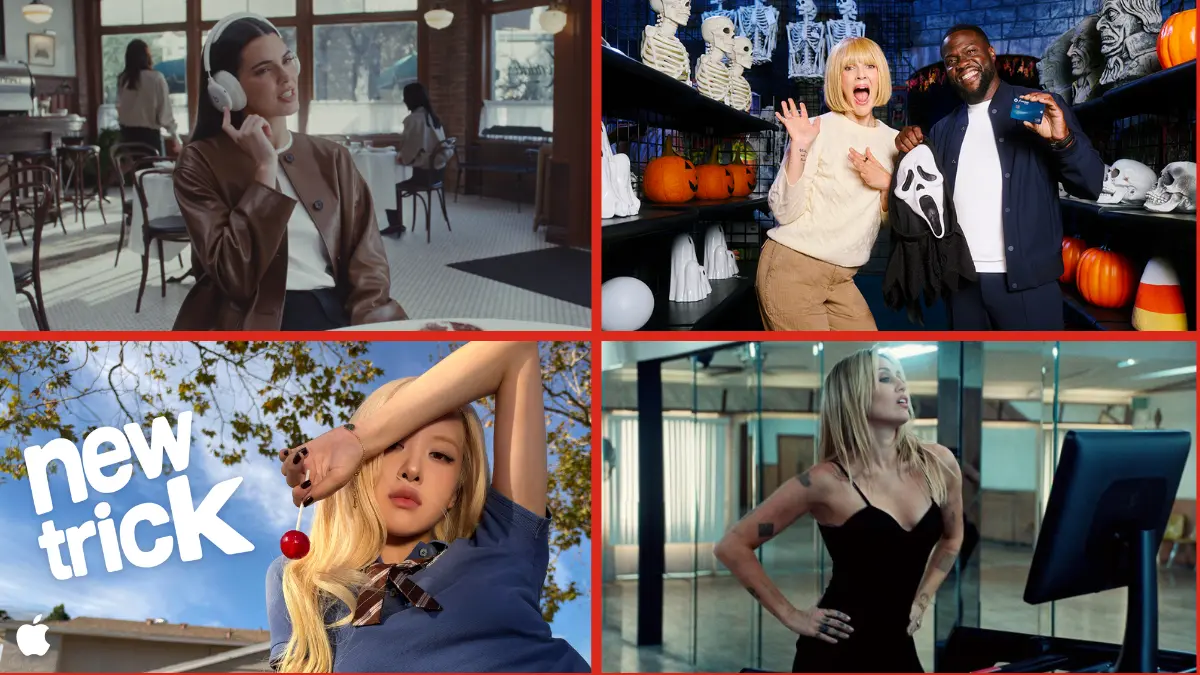
One of the most talked-about campaigns of the week comes from Chase, which has tapped into the enduring legacy of the horror genre to promote its Chase Freedom rewards program. In a move that perfectly aligns with the onset of the Halloween season and the upcoming 30th anniversary of the landmark film Scream, the financial institution has reunited original star Drew Barrymore with comedian Kevin Hart for a clever parody titled "Scream Halloween."
The campaign serves as both a piece of entertainment and a strategic marketing tool. By revisiting the tropes of the 1996 slasher classic—which famously featured Barrymore in its high-stakes opening sequence—Chase is able to capture the attention of Gen X and Millennial consumers who hold the film in high regard. The inclusion of Kevin Hart adds a modern comedic layer, ensuring the ad appeals to a broad demographic. Beyond the cinematic references, the campaign is designed to drive consumer action during the critical run-up to the holiday shopping season, highlighting the tangible benefits of cash-back rewards at a time when household spending typically increases.
The use of nostalgia is not limited to the horror genre. In a more absurdist turn, Ben Stiller has appeared in a costume reminiscent of the musical Cats to promote "Stiller’s Soda." This meta-approach to celebrity endorsement—where the actor appears to be playing a version of himself or a character within a commercial—reflects a growing trend of self-awareness in advertising. By leaning into the "unscripted" and often bizarre nature of modern fame, brands can create memorable moments that feel less like a sales pitch and more like a shared joke with the audience.
Visual storytelling has also taken a front-row seat this week, particularly in the new campaign for Beats featuring Kendall Jenner. The creative direction for this spot involves a surrealist presentation where Jenner is surrounded by multiple versions of herself. This technique of visual multiplication serves to emphasize the ubiquity and versatility of the product, positioning the brand at the intersection of high fashion and consumer technology. It is a testament to the power of the "influencer-turned-mogul" model, where the mere presence of a figure like Jenner can elevate a product’s status in the competitive audio market.
The beverage industry is also making significant waves with high-end talent. Alan Cumming, known for his theatrical flair and sophisticated persona, has partnered with Campari to showcase the art of the Negroni. As cocktail culture continues to see a resurgence among younger demographics, particularly those interested in classic mixology, Cumming’s involvement lends an air of authentic European elegance to the brand. The campaign focuses on the precision and ritual of pouring the perfect drink, reinforcing Campari’s position as a staple of the sophisticated aperitivo hour.
On the global stage, Apple has continued its tradition of partnering with the world’s most influential musical artists. This week, Rosé of the K-pop group Blackpink is seen striking a pose for the tech giant. The collaboration is a strategic masterstroke, tapping into the massive and highly engaged global fan base of K-pop. For Apple, these partnerships are less about explaining the technical specifications of their hardware and more about associating the brand with the lifestyle and aesthetic of the world’s leading cultural icons.
Fitness and lifestyle branding also saw a major boost this week through the partnership between Peloton and Miley Cyrus. As the home fitness industry continues to evolve in the post-pandemic era, Peloton has increasingly relied on "artist series" and celebrity-led content to maintain subscriber engagement. Cyrus, who is currently experiencing a career high following recent award wins and chart-topping hits, brings a high-energy, rebellious spirit to the platform. Her involvement in a Peloton workout session is designed to transform a standard exercise routine into a premium entertainment experience, encouraging users to remain active within the brand’s ecosystem.
While human celebrities dominate much of the narrative, the world of mascot-driven advertising remains as vibrant as ever. The M&M’s "Spokescandies" have returned with a new series of dramatic spots. Following a period of significant public discourse regarding the characters’ designs and roles, the brand seems to be leaning back into the distinct personalities of the colorful cast. By placing these animated figures in overly dramatic or theatrical situations, M&M’s continues to build a multi-generational narrative that keeps the brand at the center of the cultural conversation.
In the retail sector, Target has launched a streamlined campaign that emphasizes the simplicity and reliability of its shopping experience. The "In the Bag" campaign focuses on the retailer’s core strengths: convenience, curation, and the iconic red bullseye branding. In an era where e-commerce giants and discount retailers are constantly vying for market share, Target’s focus on the physical and emotional satisfaction of a successful shopping trip serves as a reminder of its unique position in the American retail landscape.
Efficiency and data-driven results remain the ultimate goal for these high-budget productions. In partnership with the data analytics firm EDO, the title of "Most Effective Ad of the Week" has been awarded to McDonald’s for its latest "spicy" offering. EDO’s metrics typically track the "Search Engagement" generated by an ad, measuring how effectively a television spot drives viewers to look up the brand or product online in the minutes following the broadcast. The success of the McDonald’s campaign suggests that the brand’s focus on flavor innovation and heat-centric menu items is resonating strongly with consumers, driving immediate digital interest and, presumably, foot traffic to its locations.
The success of these varied campaigns provides a glimpse into the topics that will likely dominate the discussions at ADWEEK House in October. The gathering in Midtown will serve as a forum for industry leaders to dissect why certain celebrity pairings work while others fail, how nostalgia can be used without feeling dated, and how data analytics can better inform creative decisions.
As the industry converges on Midtown for those four days of unscripted conversations, the focus will undoubtedly be on how to navigate an increasingly complex media environment. The sheer variety of this week’s top ads—ranging from the horror-tinged comedy of Chase to the high-fashion surrealism of Beats—indicates that there is no single "correct" way to reach a modern audience. Instead, the most successful brands are those that can pivot between different emotional registers, leveraging the right talent at the right cultural moment.
The upcoming ADWEEK House event arrives at a pivotal time for the industry. With the fourth quarter approaching, the pressure on agencies and brand managers to deliver results is at its peak. The insights shared in Midtown will likely shape the strategies for the upcoming Super Bowl season and the 2026 fiscal year. For now, the focus remains on the stars and the stories they tell, as the advertising world continues to prove that even in a digital-first age, the power of a well-executed, celebrity-led narrative remains unmatched in its ability to capture the public imagination.